

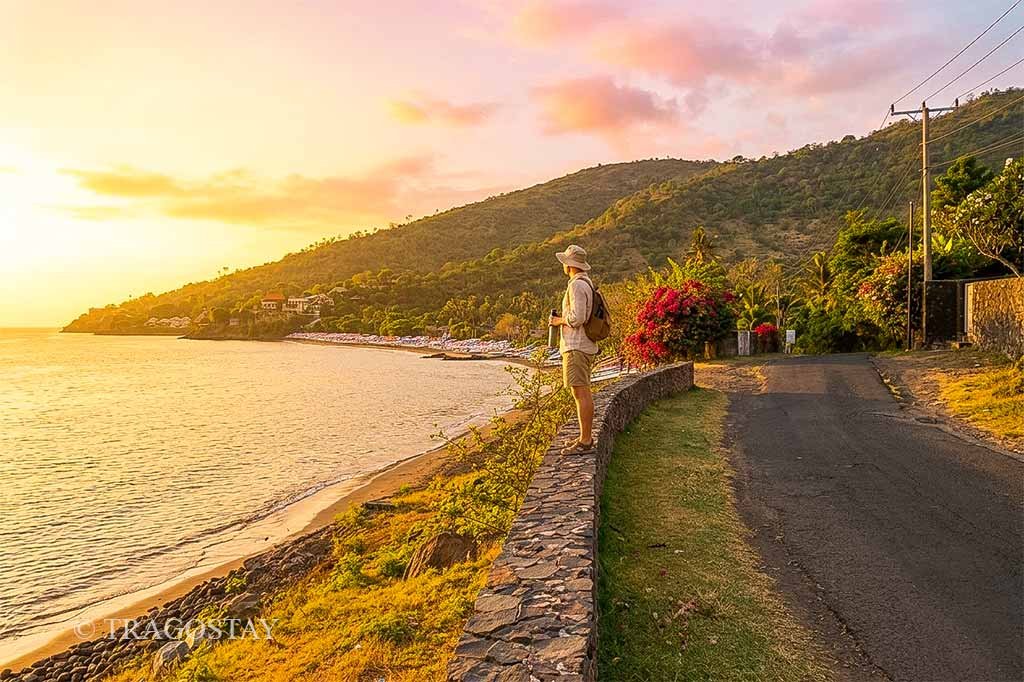
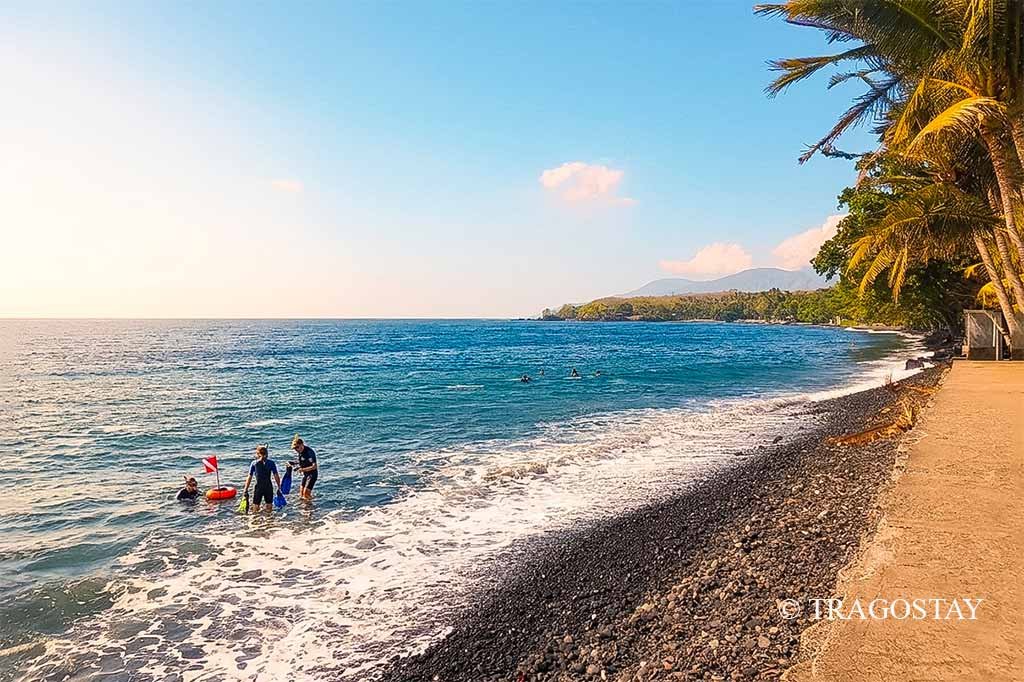
Tulamben represents the crown jewel of scuba diving in Indonesia, drawing thousands of underwater adventurers to the quiet shores of Northeast Bali every year. Unlike the sandy beaches of the south, this coastal village features a rugged shoreline of smooth black volcanic stones that drop off into a vibrant marine wilderness. You will find that the primary draw is the sunken remains of a World War II cargo ship that rests just a few meters from the water’s edge. Consequently, this destination has earned its reputation as one of the most iconic Bali Tourist Attractions for divers, snorkelers, and underwater photographers from across the globe.
If you are searching for an underwater experience that combines historical intrigue with an explosion of marine biodiversity, this site will surely leave you breathless. Most visitors appreciate the ease of access, as the shipwreck is reachable via a simple shore entry without the need for expensive boat charters. Therefore, it provides a world-class diving experience that remains accessible to both budget travelers and luxury seekers. Furthermore, the surrounding waters offer a sanctuary for rare macro critters and massive schools of tropical fish. This guide will walk you through the dramatic history, the ecological functions, and the practical logistics of visiting this volcanic diving mecca.
Tulamben gained its international fame due to a historical event that occurred during the height of the Pacific War. First, the United States Army Transport (USAT) Liberty was a cargo ship carrying railway parts and rubber from Australia to the Philippines. Historically, a Japanese submarine torpedoed the vessel in the Lombok Strait on January 11, 1942. Although the crew attempted to tow the ship to the northern port of Singaraja, the vessel took on too much water and had to be beached on the shores of Tulamben. Additionally, the ship sat upright on the sand for over two decades, becoming a familiar landmark for the local villagers.
The transformation of the ship into a world-class dive site occurred because of the violent volcanic activity of Mount Agung in 1963. Specifically, the massive tremors and lava flows from the eruption pushed the beached vessel off the shore and into the deep blue sea. Furthermore, the ship broke into several sections as it slid down the sandy slope, eventually coming to rest on its side. This geological event actually improved the site for divers by creating various swim-throughs and structural cavities for coral to grow. Consequently, the shipwreck transitioned from a rusted relic on the beach to a thriving artificial reef beneath the waves.
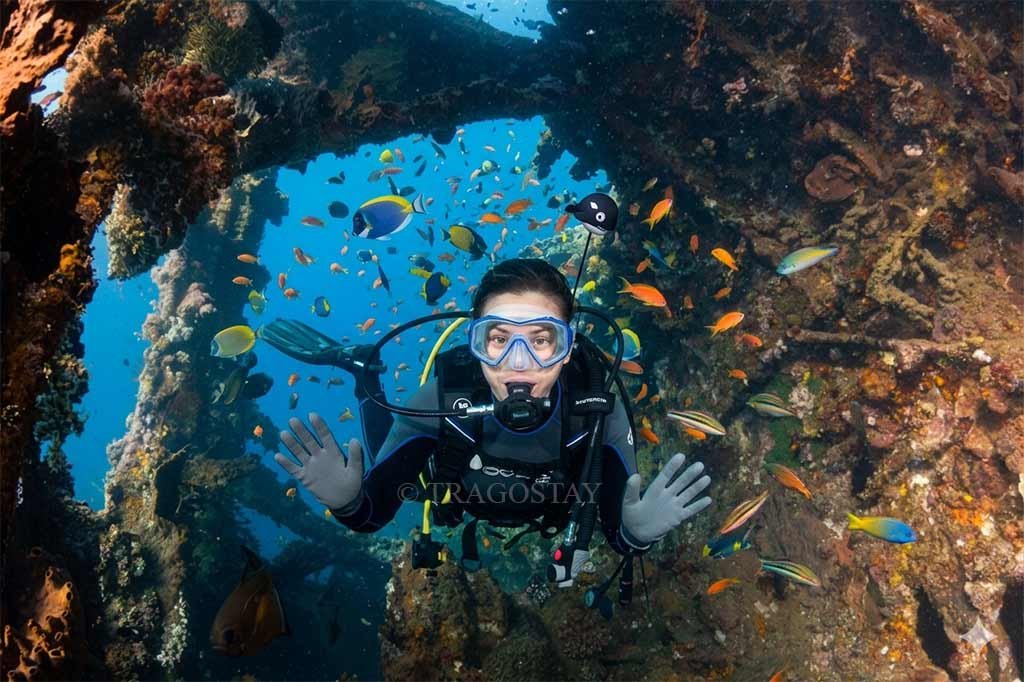
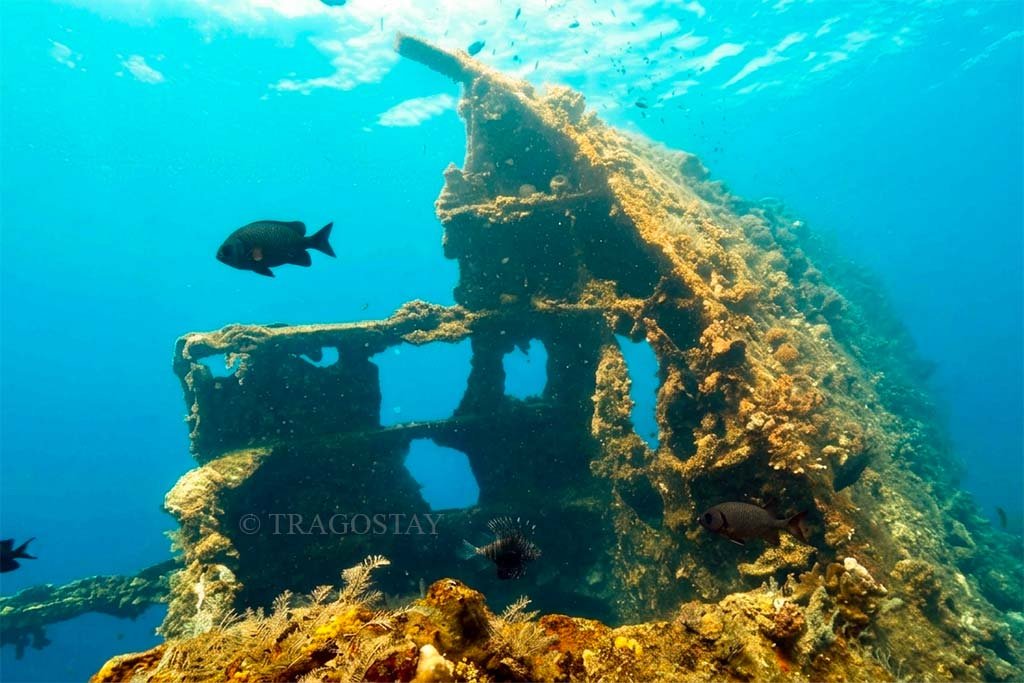
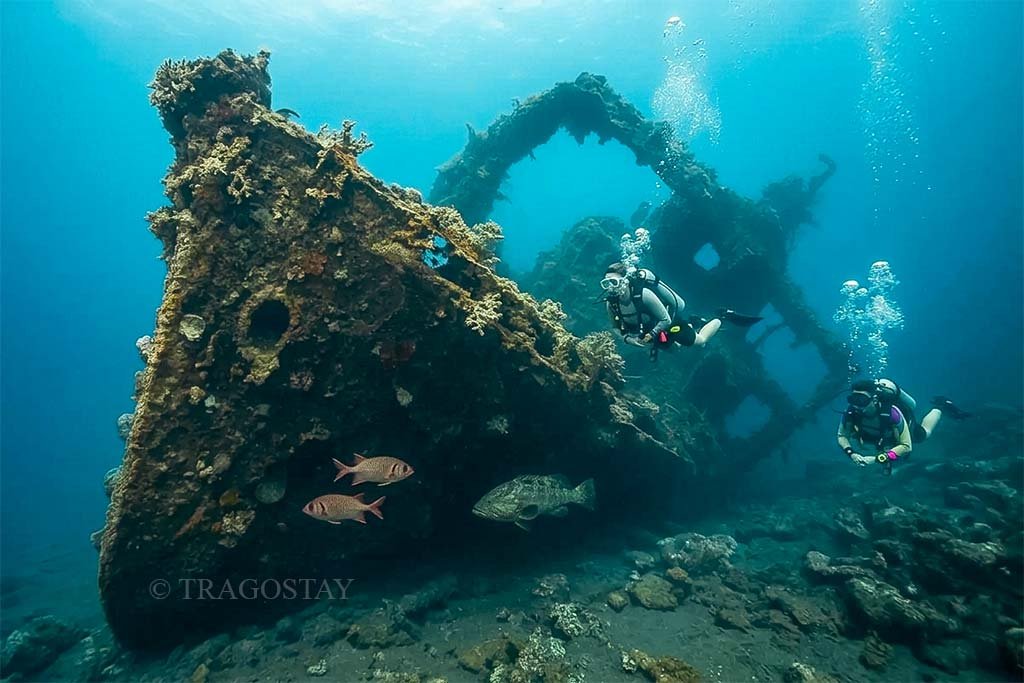
Tulamben functions as one of the most productive marine ecosystems in the Coral Triangle. Because the shipwreck provides a massive surface area for coral attachment, it has become a vertical forest of sea fans, sponges, and soft corals. You can expect to encounter a massive resident school of “Big-eyed Trevally” that often forms a swirling silver tornado around the wreck. Furthermore, the site is a sanctuary for giant moray eels, barracudas, and the occasional black-tip reef shark. These diverse habitats ensure that every dive offers a new discovery, regardless of how many times you visit.
Another vital function of the shoreline involves its role as a classroom for aspiring scuba divers. Specifically, the calm conditions and lack of strong currents make it an ideal location for PADI and SSI Open Water courses. Many students perform their first-ever ocean dives on the wreck, providing them with an unforgettable introduction to the sport. Furthermore, the various depths of the wreck allow for advanced training, including wreck specialty and deep diving certifications. Consequently, the village has developed a robust infrastructure of dive schools and professional instructors to support the global diving community.
Furthermore, the site serves as a world-renowned destination for macro and wide-angle underwater photography. Because the volcanic sand is dark and non-reflective, it provides a dramatic backdrop for capturing the vibrant colors of nudibranchs, ghost pipefish, and pygmy seahorses. Photographers from around the world visit the area to document the rare “muck diving” species that live in the sandy patches surrounding the wreck. Consequently, the images captured here often appear in international magazines and prestigious nature competitions. Indeed, the combination of historical metal structures and exotic marine life is a dream for any creative artist.
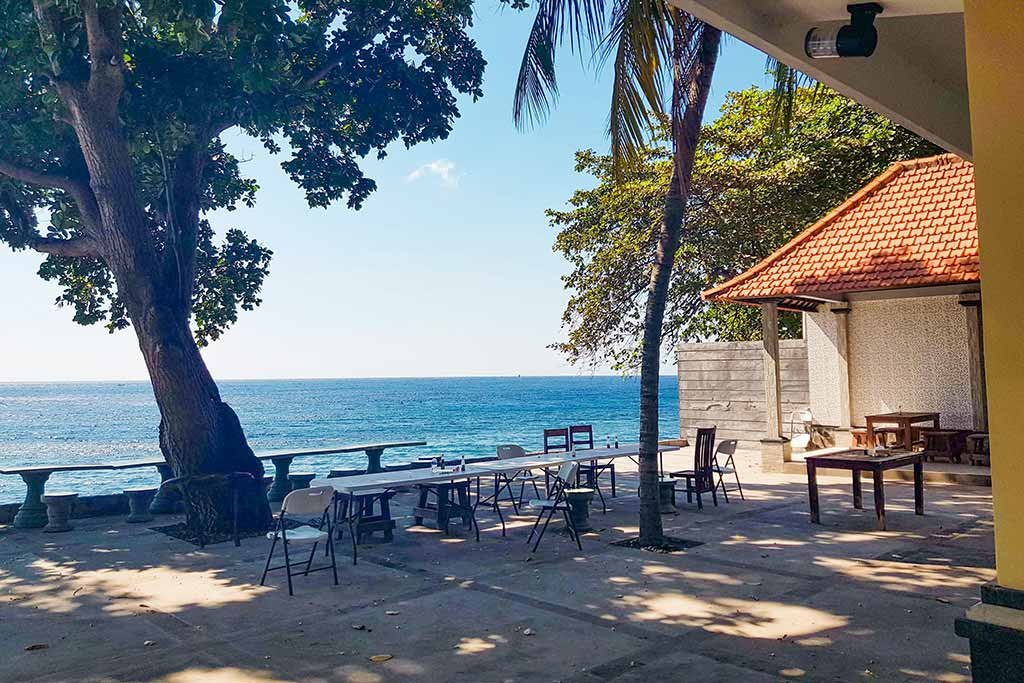
Tulamben is famous for offering one of the easiest “Big Wreck” dives in the world. You do not need to spend hours on a boat or deal with rough sea crossings to reach the USAT Liberty. Instead, you simply gear up at one of the beachside cafes and walk across the smooth volcanic stones directly into the water. Furthermore, the wreck starts at a depth of only 3 meters, making the upper sections perfectly visible even for snorkelers. This level of convenience allows for “unlimited diving” packages where you can explore the reef at your own pace from sunrise until nightfall.
Beyond the massive shipwreck, the area is a hidden gem for fans of small and rare sea creatures. First, the “Drop Off” and the “Coral Garden” sites offer a different underwater landscape filled with colorful anemones and cleaning stations. You will notice that the sandy slopes are home to bobbit worms, frogfish, and various species of colorful shrimp. Additionally, the resident population of “Bumphead Parrotfish” often visits the wreck in the early morning, providing a spectacular sight for those who wake up early. Therefore, the variety of life ensures that both macro enthusiasts and big-fish lovers stay entertained.
If you think the wreck is beautiful during the day, you must experience the mysterious atmosphere of a night dive at the site. As the sun sets, the “Big-eyed Trevally” become more active, and the corals extend their polyps to feed in the current. Furthermore, you might see Spanish Dancers and various species of crustaceans that hide during the daylight hours. The beam of your underwater torch reveals colors that are normally filtered out by the depth of the water. Consequently, a night dive on the USAT Liberty is often cited as a highlight for many travelers visiting East Bali.
The primary activity for every visitor is exploring the 120-meter-long shipwreck that lies parallel to the shore. You should swim through the cargo holds and observe the massive structural beams that are now encrusted with colorful life. Furthermore, look for the resident “Great Barracuda” that often hangs motionless near the bow of the ship. Most people find that the best visibility occurs during the early morning before the sand is stirred up by other divers. Therefore, we highly recommend booking a “sunrise dive” to see the shipwreck in its most serene and majestic state.
For those who prefer to stay near the surface, the “Coral Garden” offers a shallow and vibrant reef filled with hundreds of tropical fish. You can see various underwater statues and artificial structures that have been placed there to encourage coral growth. Furthermore, the water is usually very calm, making it a safe spot for children and beginner snorkelers to explore. You will likely see blue-spotted rays resting on the sandy bottom and schools of colorful damselfish darting between the corals. Consequently, it is the perfect place to spend a relaxing afternoon between your deeper dives.
The landscape of the village provides a dramatic setting for terrestrial photography as well. The contrast between the deep blue ocean and the dark, smooth volcanic stones creates a very “moody” and cinematic look. Furthermore, the majestic silhouette of Mount Agung towers over the village, providing a constant reminder of the island’s powerful geology. You can capture beautiful images of the local “Jukung” fishing boats as they return from the sea during the golden hour. Therefore, ensure you have plenty of battery life for both your underwater and land-based cameras.
Most of the accommodation in the area is designed specifically for divers, offering gear-washing stations and easy beach access. You can spend your surface intervals lounging by a pool with a view of the ocean while enjoying a fresh young coconut. Furthermore, many resorts offer traditional Balinese massages that are perfect for soothing your muscles after a long day of swimming. This “dive-eat-sleep” lifestyle is what draws many travelers back to the village year after year. Indeed, the sense of community among the divers creates a very friendly and welcoming atmosphere.
To ensure the best visibility and the calmest sea conditions, you should plan your visit during the dry season from April to October. During these months, the underwater visibility can reach up to 30 meters, allowing you to see the entire scale of the shipwreck. Furthermore, the water temperature remains very comfortable, usually ranging between 27°C and 29°C. Conversely, the rainy season from December to February can bring wind and swells that reduce visibility, though the wreck remains diveable most of the year. Therefore, checking the local surf and wind reports will help you pick the perfect day for your adventure.
Reaching the village from South Bali typically takes about three hours by car or motorbike, passing through the scenic landscapes of Gianyar and Karangasem. While it is possible to visit as a day trip, we highly recommend staying overnight to fully enjoy the sunrise and night diving opportunities. Furthermore, the roads are well-paved and offer beautiful views of rice terraces and traditional Balinese villages. If you are traveling with heavy diving gear, hiring a private driver is the most comfortable and efficient way to reach the site. Consequently, you can arrive relaxed and ready to jump into the water.
The village has evolved into a specialized diving hub that provides everything a modern traveler needs for a successful underwater trip.
Actually, the highest point of the USAT Liberty is only about 3 meters deep. Consequently, you can see a significant portion of the wreck simply by snorkeling on a clear day with calm water.
While there are some “swim-throughs,” you should only enter the wreck if you have the proper training and are accompanied by a professional guide. The structure is old and can be sharp or unstable in certain areas.
While you can often find a guide on the spot, we recommend booking in advance during the high season to ensure you have a professional dive master and high-quality rental equipment.
While you can often find a guide on the spot, we recommend booking in advance during the high season to ensure you have a professional dive master and high-quality rental equipment.
Yes, the “Coral Garden” area is excellent for children who enjoy snorkeling. However, the beach is made of large stones rather than sand, so it is not ideal for traditional “beach play.”
There are a few ATMs in the village, but they can sometimes run out of cash. Consequently, it is always a good idea to bring enough Indonesian Rupiah for your meals and local purchases.
Log in
Don't have an account? Register
Please enter your username or email address. You will receive a link to create a new password via email.
Register with your email
Do you already have an account? Log In
Log in
Don't have an account? Register
Please enter your username or email address. You will receive a link to create a new password via email.
Register with your email
Do you already have an account? Log In