

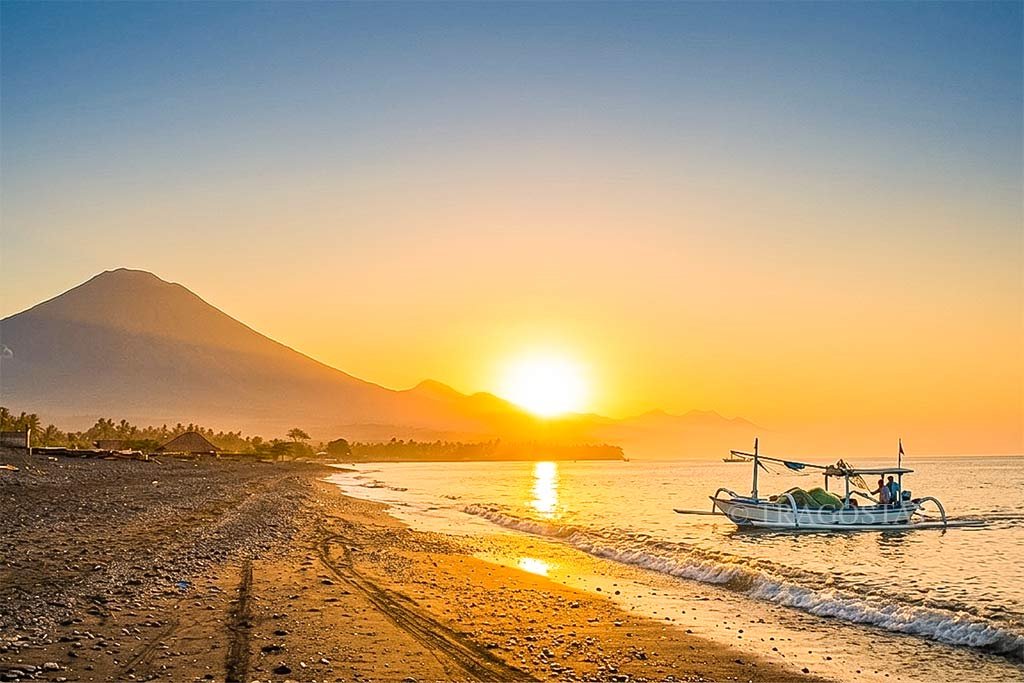
Amed Beach serves as the premier gateway for underwater enthusiasts seeking a more tranquil and authentic coastal experience in Bali. Stretching across several traditional fishing villages in the Karangasem Regency, this region is world-renowned for its dramatic volcanic black sand and crystal-clear turquoise waters. You will find that the area offers a stark contrast to the bustling white-sand beaches of the south, providing a laid-back atmosphere that feels frozen in time. Consequently, this destination has solidified its place among the top Bali Tourist Attractions for travelers who prioritize marine biodiversity and natural beauty over modern commercialism.
If you are a fan of vibrant coral reefs and diverse marine life, the shorelines of East Bali will surely exceed your expectations. Most visitors appreciate the fact that many of the best reef systems are accessible directly from the beach without the need for long boat trips. Therefore, it provides an affordable and convenient playground for both beginner snorkelers and professional scuba divers alike. Furthermore, the majestic silhouette of Mount Agung looms large in the background, creating a breathtaking landscape for your morning surface intervals. This guide will walk you through the rich history, the essential functions of the marine park, and the best underwater secrets of this volcanic paradise.
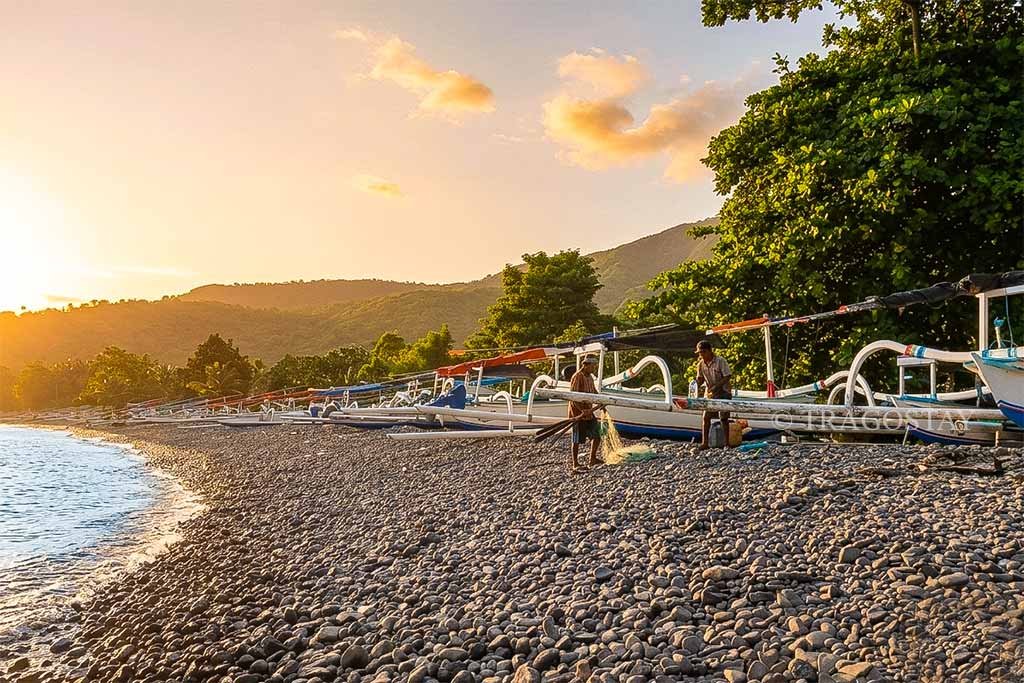
Amed Beach possesses a humble history rooted in the traditional livelihoods of the local Balinese people. First, the region was primarily known for its high-quality sea salt production, a craft that residents have practiced for generations. Historically, the local fishermen relied on their iconic “Jukung” outrigger boats to navigate the deep trenches of the Lombok Strait. Additionally, the transition into a tourism hub began only a few decades ago when adventurous divers discovered the incredible health of the local reefs. Most locals still maintain their traditional salt-farming plots, allowing you to witness a unique cultural heritage alongside modern diving facilities.
One of the most fascinating historical aspects of the area involves the presence of various shipwrecks that now serve as thriving artificial reefs. Specifically, the Japanese Shipwreck in Banyuning village offers a hauntingly beautiful glimpse into the maritime history of the region. Furthermore, the nearby USAT Liberty wreck in Tulamben, which is often accessed from Amed, remains the most famous dive site in Indonesia. These sunken vessels have transformed the local underwater topography, providing a sanctuary for thousands of tropical fish species. Consequently, the combination of natural coral growth and historical relics makes the seafloor here an underwater museum of immense value.
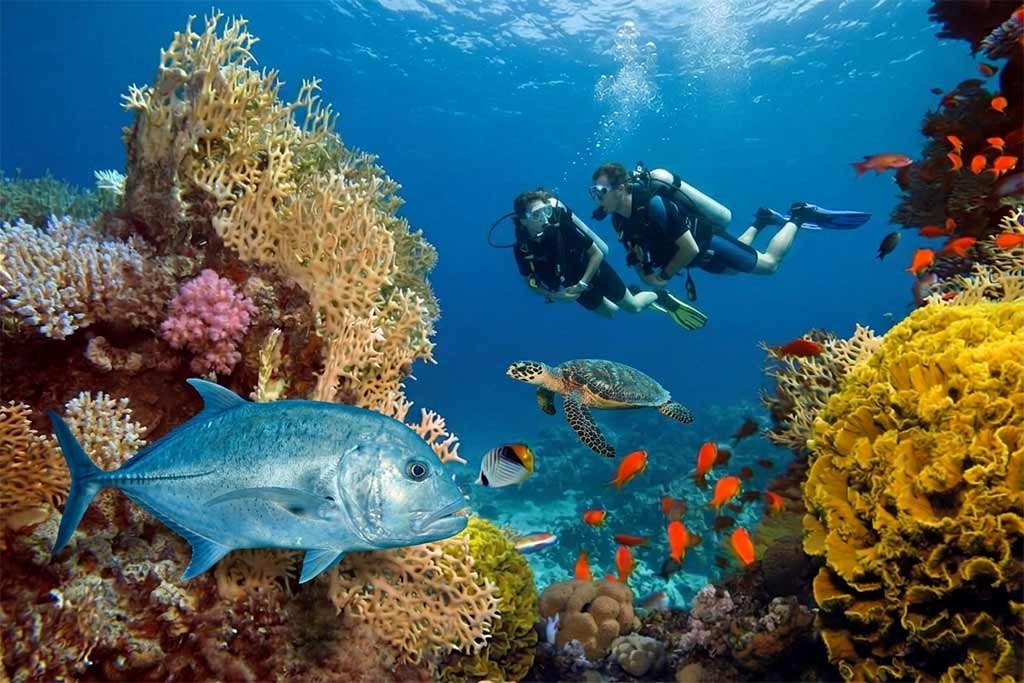
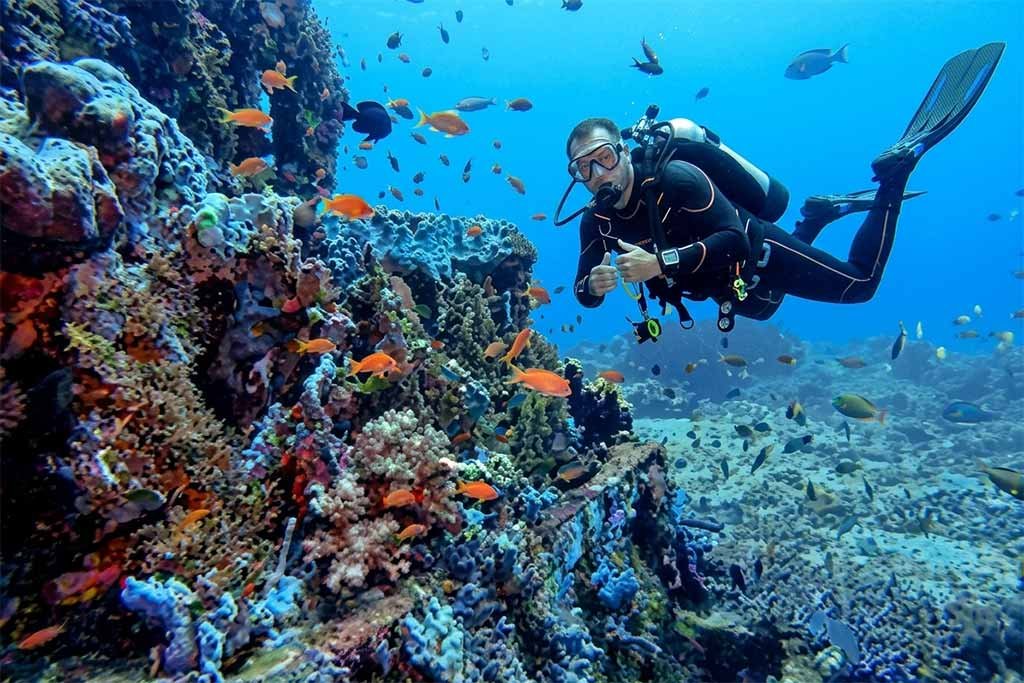
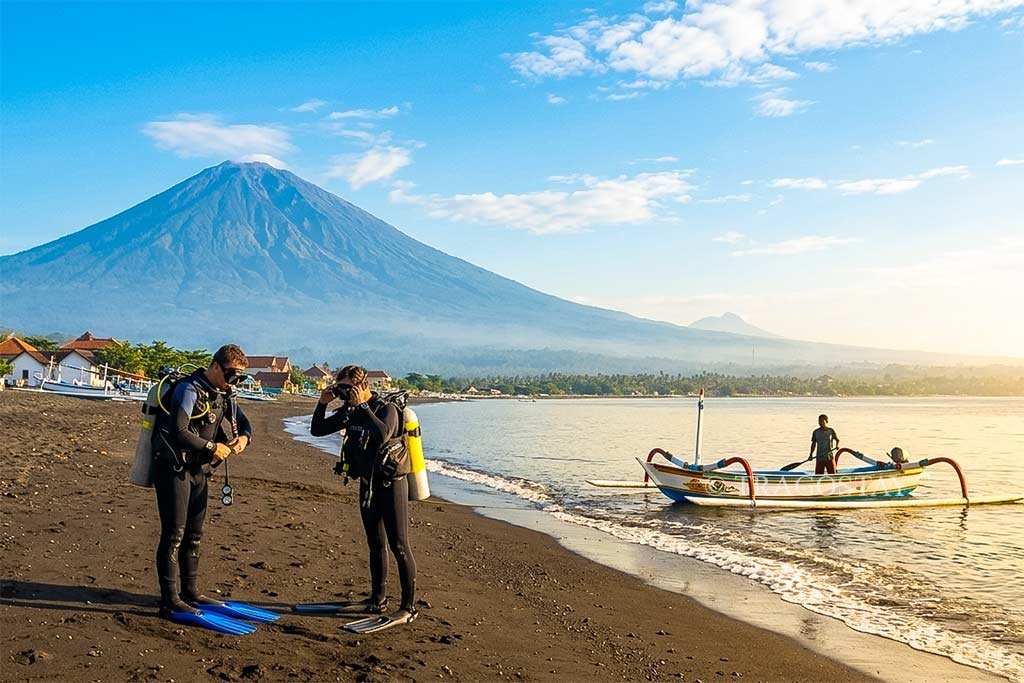
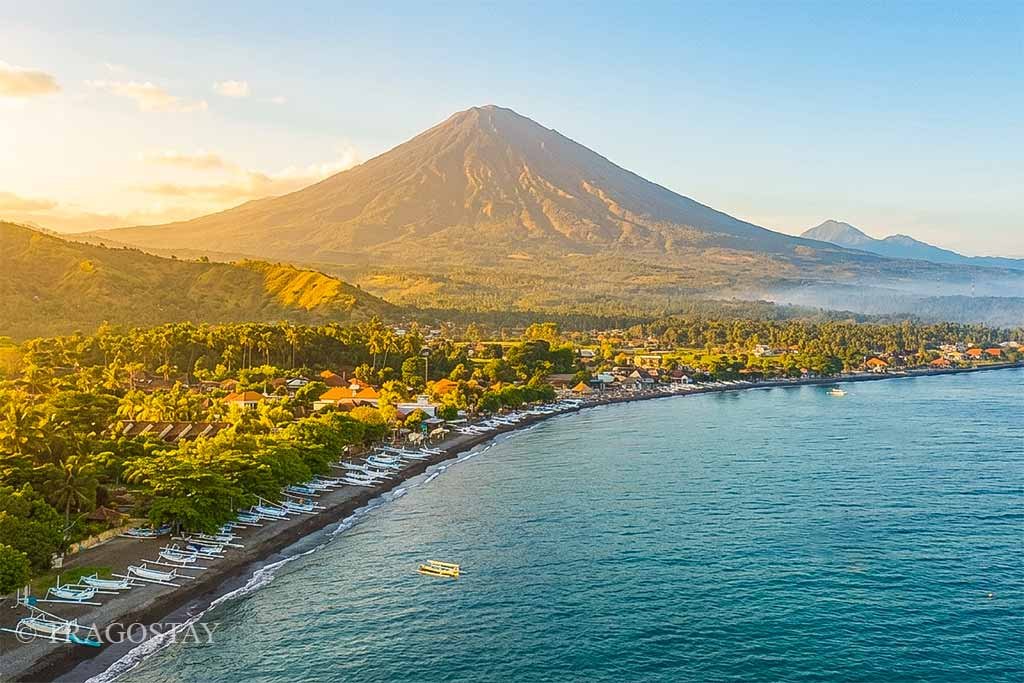
Amed Beach functions as a vital sanctuary for a massive variety of marine species that migrate through the deep waters of the Lombok Strait. You can expect to see everything from tiny pygmy seahorses and colorful nudibranchs to larger residents like reef sharks and sea turtles. Furthermore, the volcanic soil provides unique minerals that support the growth of rare “muck diving” critters, making it a favorite spot for macro photographers. These ecosystems are carefully monitored by local conservation groups to ensure the reefs remain healthy for future generations. Therefore, the area acts as a living laboratory for marine biologists and nature enthusiasts from around the world.
Another vital function of the coastline involves providing a sustainable source of income for the local villages through eco-tourism. Unlike the massive hotel developments in other parts of Bali, the growth in this region focuses on boutique homestays and small-scale dive centers. Specifically, the community emphasizes “slow travel,” encouraging guests to stay longer and integrate with the local culture. Furthermore, many dive operators actively participate in coral restoration projects and beach clean-up initiatives. Consequently, your visit directly supports an economic model that prioritizes environmental protection and community well-being. Indeed, the balance between nature and tourism is handled with great care here.
Furthermore, the harbor at the southern end of the bay serves as a strategic departure point for fast boats heading to the Gili Islands and Lombok. Because Amed is geographically closer to these islands than the southern ports, the boat ride is significantly shorter and more comfortable. Consequently, many travelers use the town as a relaxing stopover point before continuing their journey across the sea. This logistical function has brought a steady flow of international visitors to the area, further diversifying the local economy. Most guests find that spending a few days in Amed before heading to the Gilis provides a much-needed dose of mainland Balinese charm.
Amed Beach is arguably the best location in Bali for shore-based underwater exploration. You can simply put on your mask and fins, walk a few meters into the calm water, and find yourself surrounded by a kaleidoscopic world of coral gardens. Furthermore, the absence of strong currents in most bays makes it an exceptionally safe environment for children and novice snorkelers. Divers will also appreciate the “drop-offs” where the seafloor plunges into deep blue depths, offering a chance to see pelagic fish. Consequently, the accessibility and variety of the dive sites are truly unmatched on the island.
The visual appeal of the region is defined by the striking contrast between the black sand and the vibrant green hills. First, the dark volcanic grains absorb the morning sun, creating a shimmering effect that looks incredible in photographs. Additionally, the proximity to Mount Agung means that the volcano dominates the horizon from almost every viewpoint. You will find that the sunsets here are particularly spectacular, as the sky turns shades of deep purple and pink over the mountain. Therefore, even if you are not a diver, the sheer natural beauty of the coastline makes it a worthy addition to your itinerary.
If you feel overwhelmed by the traffic and noise of southern Bali, the quiet roads of Karangasem will feel like a breath of fresh air. You will notice that the “nightlife” here consists of live acoustic music in small beach bars rather than loud clubs. Furthermore, the local people are exceptionally friendly and often invite travelers to watch traditional dance rehearsals or ceremonies. This atmosphere of “Old Bali” allows for a deeper level of relaxation and a more meaningful travel experience. Indeed, many visitors end up extending their stay once they experience the slow and steady rhythm of life in the village.
The most popular activity for casual visitors is spending a morning snorkeling in the protected waters of Jemeluk Bay. You should look for the “underwater post office,” a small concrete structure where you can actually send waterproof postcards. Furthermore, the reef on the eastern side of the bay features massive table corals and schools of blue damselfish. Most people find that the water is exceptionally clear, providing visibility of up to 20 meters on a good day. Consequently, you can spend hours floating over the reef without ever feeling bored by the scenery.
If you are a certified diver, you must explore the remains of the Japanese Shipwreck located in the shallow waters of Banyuning. The wreck is covered in soft corals and sponges, providing a home for scorpionfish, moray eels, and leaf fish. Furthermore, the site is shallow enough for snorkelers to see the main structure from the surface, though diving allows for a much closer inspection. The surrounding reef is also incredibly healthy and stretches far along the coast. Therefore, we recommend dedicated a full morning to this specific site to fully appreciate its complexity.
For the best panoramic views in the area, you should head to the Jeluk Lookout point located on the hill overlooking the bay. From this vantage point, you can see the entire curve of the coastline with Mount Agung standing majestically in the background. Furthermore, the local stalls near the lookout sell cold drinks and snacks, making it the perfect spot to end your day. As the sun sets behind the volcano, the light reflects off the water in a way that is truly magical. Consequently, this is the most famous photography spot in the entire Amed region.
You should take a short walk to the salt-farming plots located near the center of the town to learn about this ancient Balinese craft. The farmers use traditional wooden tools and the heat of the sun to evaporate seawater, leaving behind pure and mineral-rich salt crystals. Furthermore, you can purchase small bags of this “Amed Sea Salt” as a unique and sustainable souvenir for your friends back home. Supporting these farmers helps ensure that this unique part of Balinese culture does not disappear in the face of modern tourism. Indeed, it is a fascinating glimpse into the hardworking spirit of the local community.
To enjoy the best underwater visibility and calmest seas, you should plan your visit during the dry season between April and October. During these months, the sun is consistent and the water temperature remains a comfortable 28°C to 30°C. Furthermore, the lack of rain means that there is very little runoff from the hills, ensuring that the water remains crystal clear for snorkeling. Conversely, the rainy season can sometimes bring swells that make the water murky, though diving is usually still possible. Therefore, checking the sea conditions and weather forecast is always a wise move before you depart.
Reaching Amed Beach from South Bali typically involves a scenic three-hour drive through the lush landscapes of Gianyar and Karangasem. While the journey is long, the roads are well-maintained and take you past several other iconic attractions like Tirta Gangga. Furthermore, many travelers choose to hire a private driver so they can stop at viewpoints along the way without the stress of driving. If you are coming from the Gili Islands, the fast boat takes approximately 45 to 60 minutes to reach the shore. Consequently, it is a very accessible destination regardless of which direction you are coming from.
Despite its remote and traditional feel, the area provides excellent facilities to cater to the needs of international scuba divers and travelers.
Actually, many of the best snorkeling spots, like Jemeluk Bay and the Japanese Shipwreck, are accessible directly from the shore. However, you can rent a local Jukung boat if you want to reach more secluded reefs.
Absolutely, the area is perfect for anyone who enjoys swimming, hiking, or simply relaxing in a quiet environment. The stunning views of Mount Agung and the local culture are enough to keep any traveler happy.
The sand is volcanic and mostly black or dark grey, with some areas having more pebbles than others. Consequently, we recommend wearing water shoes or sandals when walking along the shoreline.
There are several ATMs located along the main road of Amed and Culik. Nevertheless, it is always a good idea to carry some cash for smaller local warungs and boat rentals.
Generally, the bays in Amed are very calm with minimal waves, making them safe for swimming. However, always be mindful of the local fishing boats moving in and out of the water.
Yes, the volcano is visible from almost every point along the Amed coastline. The view is particularly impressive from the Jemeluk area during the sunset hours.
Log in
Don't have an account? Register
Please enter your username or email address. You will receive a link to create a new password via email.
Register with your email
Do you already have an account? Log In
Log in
Don't have an account? Register
Please enter your username or email address. You will receive a link to create a new password via email.
Register with your email
Do you already have an account? Log In