

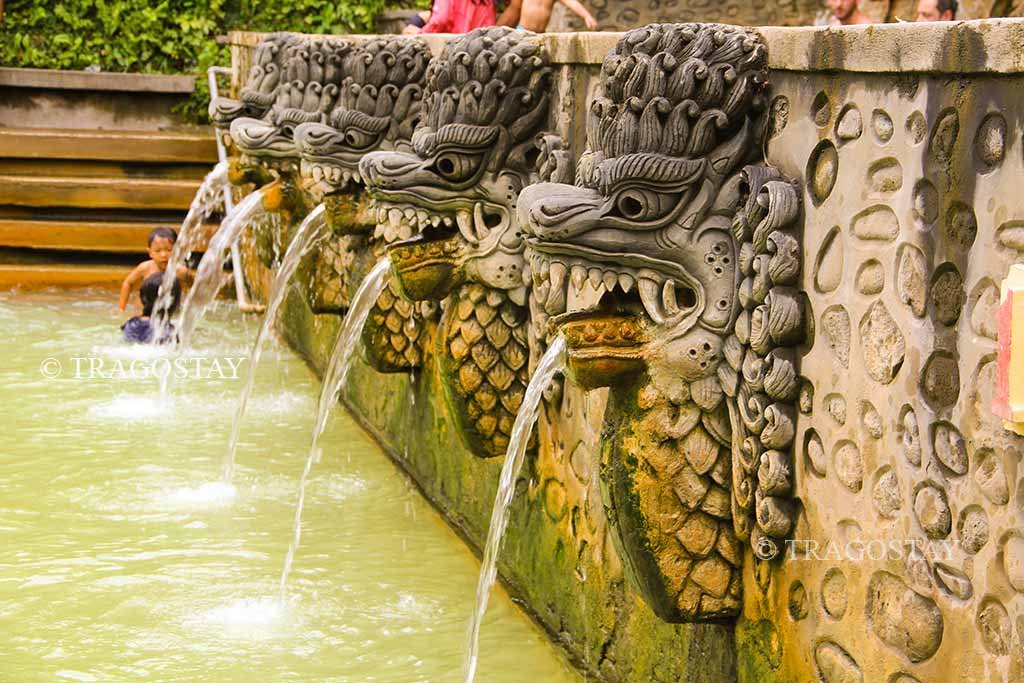
Banjar Hot Springs, locally known as Air Panas Banjar, serves as one of the most beloved wellness destinations on the island. You will find this sacred site tucked away in the dense tropical jungles near the coastal town of Lovina. Many international visitors consider this location the highlight of all Hot Springs in North Bali because of its historic atmosphere and healing properties. Consequently, it has become a sanctuary for those looking to rejuvenate their bodies after long days of trekking or diving. You can feel the warmth of the volcanic water as it flows through beautifully carved stone dragon heads.
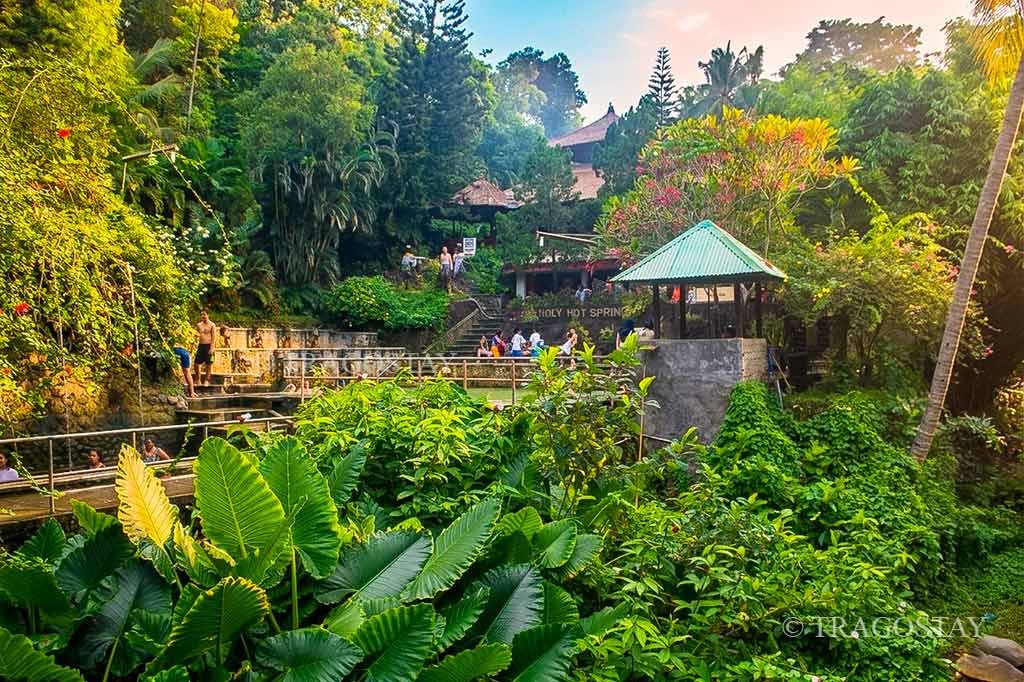
Exploring the tiered pools of this ancient site allows you to connect with a tradition that dates back hundreds of years. Unlike modern spa facilities, the atmosphere here is deeply rooted in Balinese culture and the island’s volcanic geography. Therefore, you will experience a sense of peace while bathing in Banjar Hot Springs amidst the towering ferns and tropical flowers. The local community manages the site with great care to ensure that the sacred springs remain clean and accessible.
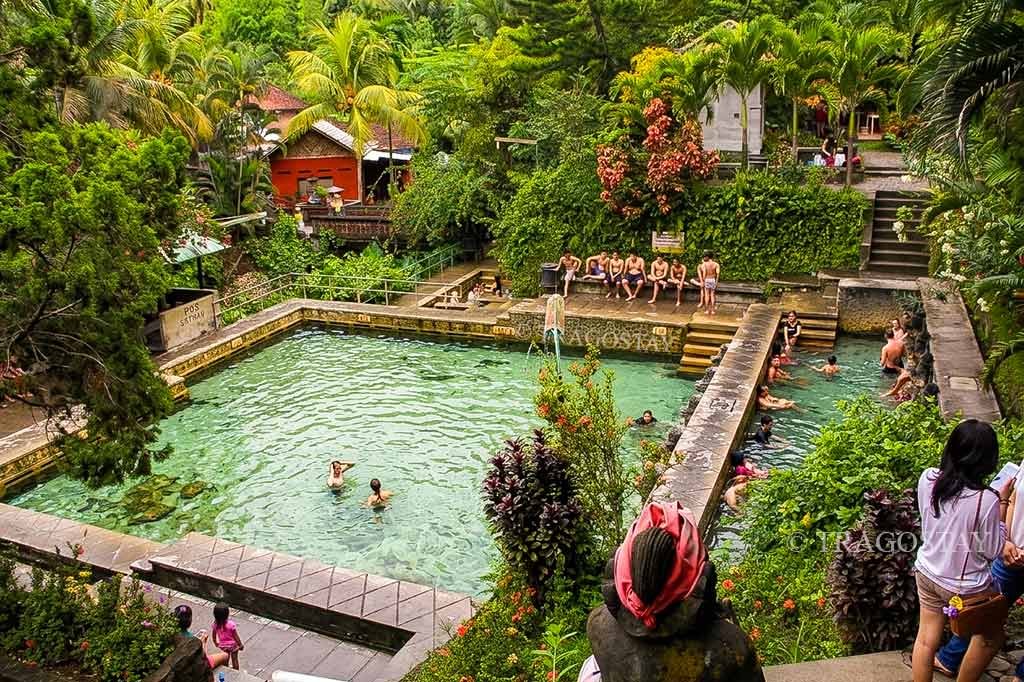
Furthermore, the distinctive yellow-green tint of the water proves the high mineral content that makes this site so famous. You will find that relaxing at Banjar Hot Springs works wonders for your skin and tired muscles. This destination truly defines the essence of natural Balinese therapy in the heart of the Buleleng regency.
The village of Banjar is very famous because it possesses one of the few high-temperature natural springs on the island. Specifically, the water maintains a consistent temperature of around 38°C, which is perfect for a therapeutic soak. Meanwhile, the pools are surrounded by high walls of jungle greenery that provide shade and privacy for the visitors. This happens because the springs originate from deep volcanic channels within the nearby mountains of North Bali. Therefore, this site offers a much more authentic experience compared to other Hot Springs in North Bali located in more commercialized areas. You will feel your stress melt away as you listen to the steady sound of water splashing into the pools.
The history of this site is a fascinating journey through time, reflecting both spiritual importance and colonial influence. For generations, the local Balinese have visited these springs to perform ritual purifications and seek cures for various skin ailments. Afterward, the facilities were improved to allow more people to enjoy the benefits of the mineral-rich water in a more organized setting.
During the Dutch colonial era, the springs were already recognized for their unique properties and healing potential. However, it was actually during the Japanese occupation in the 1940s that the pools were officially reconstructed and tiered. Most visitors are interested to learn that the Japanese soldiers enjoyed bathing in Banjar Hot Springs to treat their skin diseases and relax. Furthermore, the architecture still retains some of the structural elements from that specific period in Bali’s history. This blend of international history and local stone carving creates a very unique aesthetic that you won’t find anywhere else. Consequently, the site has become a significant landmark for those interested in the historical layers of the Buleleng region.
The water at this natural hot spring in Bali is delivered into the pools through the mouths of several stone-carved “Naga” or dragons. You will notice that these dragons are not just decorative but hold a deep symbolic meaning in Balinese mythology. Specifically, the Naga is seen as a protector of water sources and a bringer of prosperity to the land. Furthermore, the craftsmanship involved in carving these stone figures represents the incredible skill of local Balinese artists. Many visitors believe that standing under the water flowing from the dragon’s mouth brings good luck and spiritual cleansing. This cultural element makes relaxing at Banjar Hot Springs feel like a sacred ritual rather than just a simple swim.
There are several specific reasons why travelers consistently choose this location over other thermal springs on the island.
The primary draw of this location is the high concentration of sulfur, which is known for its natural healing properties. You can enjoy the benefits of this mineral as it helps to soothe various skin conditions and improve blood circulation. Specifically, the warmth of the water is excellent for relieving chronic muscle pain and joint stiffness after a long flight. Furthermore, many regular visitors claim that bathing in Banjar Hot Springs helps to detoxify the body and promote a deeper, more restful sleep. This makes it a top-tier wellness destination for those prioritizing health and relaxation during their Bali vacation.
The visual appeal of the site is undeniable due to the intricate stone carvings that adorn every corner of the pools. You can admire the way the local artisans have blended the pools into the natural landscape of the valley. Specifically, the tiered design makes this one of the best hot springs in Bali because the water overflows naturally from one level to the next. Furthermore, the weathered stone and green moss give the entire complex a very ancient and mystical appearance. This creates a perfect backdrop for photography, especially when the morning steam rises from the surface of the water. Most travelers find the aesthetic of the “Naga” spouts to be the most memorable part of their visit.
The location of the springs at the bottom of a lush valley ensures a very quiet and secluded atmosphere. You can hear the sounds of tropical birds and the rustling of palm leaves while you soak in the warmth. Specifically, the dense canopy of trees provides a natural roof that protects you from the direct heat of the sun. Furthermore, the lack of traffic noise and urban distractions allows for a true connection with the natural world. This immersive jungle experience is what sets this site apart from other Hot Springs in North Bali. You will find that the surrounding nature acts as a natural extension of the healing properties of the water.
Visitors will find several different ways to enjoy the facilities while spending a peaceful afternoon at the springs.
The complex features three main pools, each offering a slightly different experience and water depth for the swimmers. You can start in the largest upper pool which is the deepest and most popular for general swimming and social soaking. Meanwhile, the second tier is slightly shallower and perfect for those who want to spend time relaxing at Banjar Hot Springs. Because the water moves from the top tier down, the temperature remains fairly consistent across the entire facility. Furthermore, the variety of pool sizes ensures that families and solo travelers can all find a comfortable spot to enjoy. This tiered system is a clever way to manage the flow of the natural volcanic spring water.
The most unique feature of this natural hot spring in Bali is the third pool, which features high spouts for a natural massage. You can stand or sit under the falling water to let the pressure work on your shoulders and upper back. Specifically, the force of the falling water combined with the heat provides an incredible relief for tense muscle knots. Furthermore, many locals believe this specific area is the most effective for treating physical ailments and improving overall mobility. This “power shower” experience is a favorite among travelers who have spent the previous day trekking in Munduk. It is a simple yet highly effective way to enjoy the natural energy of the Balinese volcanic landscape.
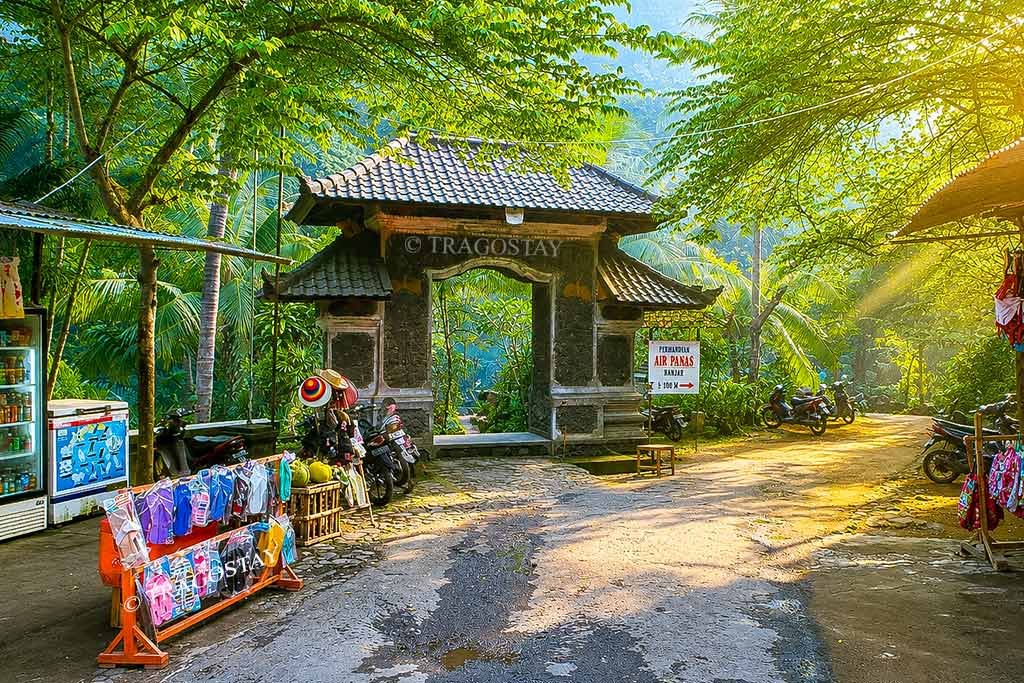
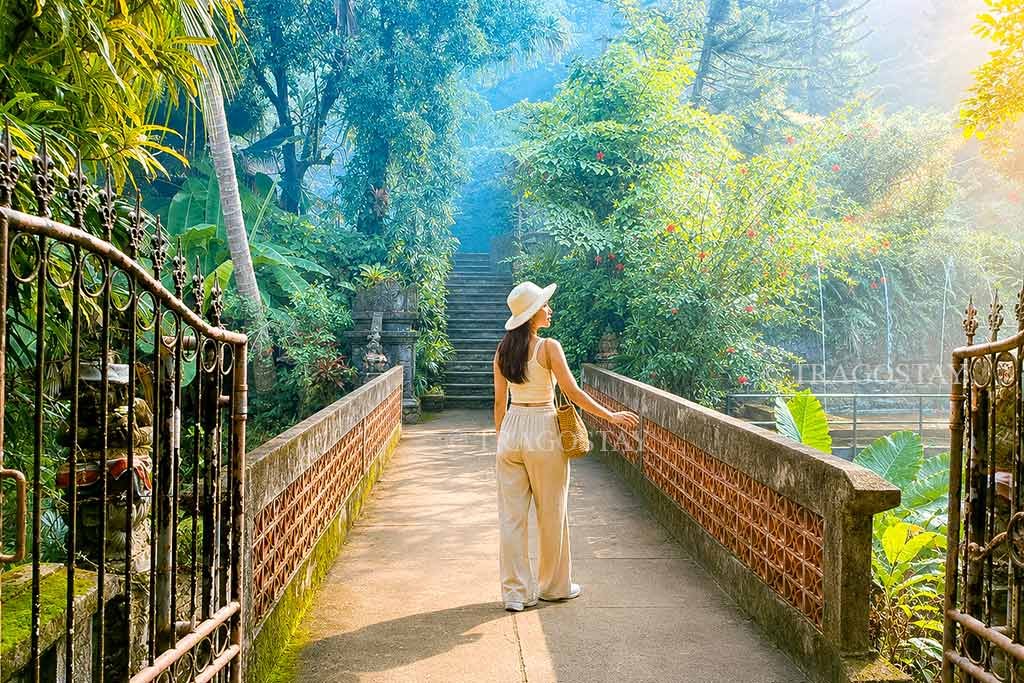
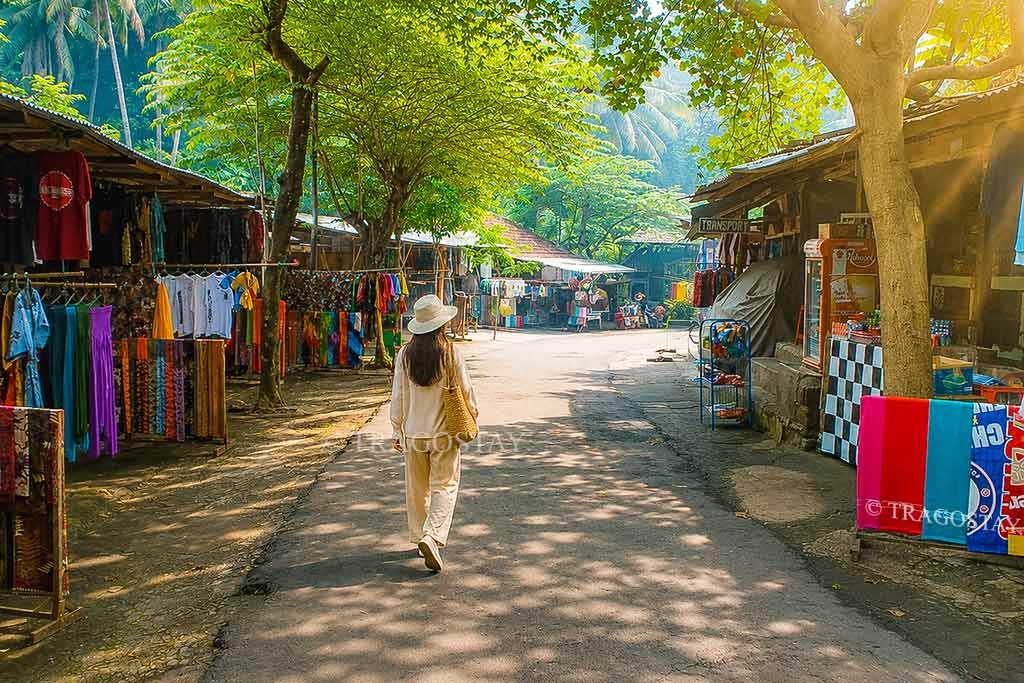
After your soak, you can take a slow walk through the beautifully landscaped gardens that surround the hot spring complex. You will find a variety of tropical plants, statues, and small shrines that contribute to the Zen-like atmosphere of the site. Furthermore, the path leading to the entrance is lined with small shops selling local handicrafts and traditional Balinese clothing. Specifically, you can find high-quality sarongs and souvenirs while relaxing at Banjar Hot Springs before heading to lunch. Most visitors enjoy browsing these stalls while their hair dries in the warm mountain air. This adds a nice cultural and shopping element to your half-day wellness excursion.
Proper preparation is the key to enjoying your time at one of the best hot springs in Bali without any minor inconveniences.
The water here has a very high sulfur content, which can leave a yellow stain on certain fabrics. You should avoid wearing your favorite expensive or white swimsuit while bathing in Banjar Hot Springs. Specifically, we recommend wearing dark-colored or older swimwear that you don’t mind getting slightly stained by the minerals. Furthermore, remember to remove any silver jewelry before entering the water because sulfur will cause silver to tarnish instantly. Taking these small precautions will ensure that your belongings remain in good condition while you enjoy your therapeutic bath.
The springs are a very popular spot for both international tourists and local Balinese families on the weekends. You should try to arrive early in the morning to enjoy relaxing at Banjar Hot Springs in a quieter setting. Furthermore, visiting on a weekday will provide a much more peaceful experience with fewer people sharing the water spouts. Specifically, the late afternoon can also be a beautiful time to visit as the air cools down and the jungle sounds become more active. Most travelers find that spending two hours at the site is more than enough time to feel fully rejuvenated.
You can find more detailed guides on other Bali Tourist Attractions through our main category page.
The entrance fee remains very affordable for international tourists and usually includes access to all tiered pool areas. Please bring cash in small denominations because the registration post does not typically accept credit or debit cards.
You do not need a guide because the site is very easy to find and navigate using standard GPS. Most visitors arrive as part of a day tour or by renting a private scooter from the nearby Lovina area.
Log in
Don't have an account? Register
Please enter your username or email address. You will receive a link to create a new password via email.
Register with your email
Do you already have an account? Log In
Log in
Don't have an account? Register
Please enter your username or email address. You will receive a link to create a new password via email.
Register with your email
Do you already have an account? Log In