

Pemuteran Beach represents a unique haven for nature lovers who seek tranquility away from the busy southern tourist hubs. You will find this picturesque village nestled between the majestic mountains and the deep blue waters of the Bali Sea. Many travelers specifically visit this coastal area to experience world-class Biorock Snorkeling in a protected marine environment. Consequently, this destination has become a global model for successful coral reef restoration and community-based marine conservation. You can enjoy the calm atmosphere while swimming among hundreds of vibrant fish species just offshore. Tragostay provides all the essential details to help you navigate this underwater paradise safely and responsibly.
Exploring the wonders of Pemuteran Beach offers an experience that feels truly different from the crowded beaches in Kuta. Besides its quiet charm, the underwater landscape provides a raw connection with the earth and the ocean. Therefore, the atmosphere here feels much slower and more refreshing than the typical commercialized beach areas.
Local villagers take great pride in preserving the surrounding reef and maintaining the clean shoreline for future visitors. You will experience a sense of awe as you float above the innovative coral structures beneath the surface. This destination truly defines the meaning of an eco-friendly escape in the heart of Indonesia.
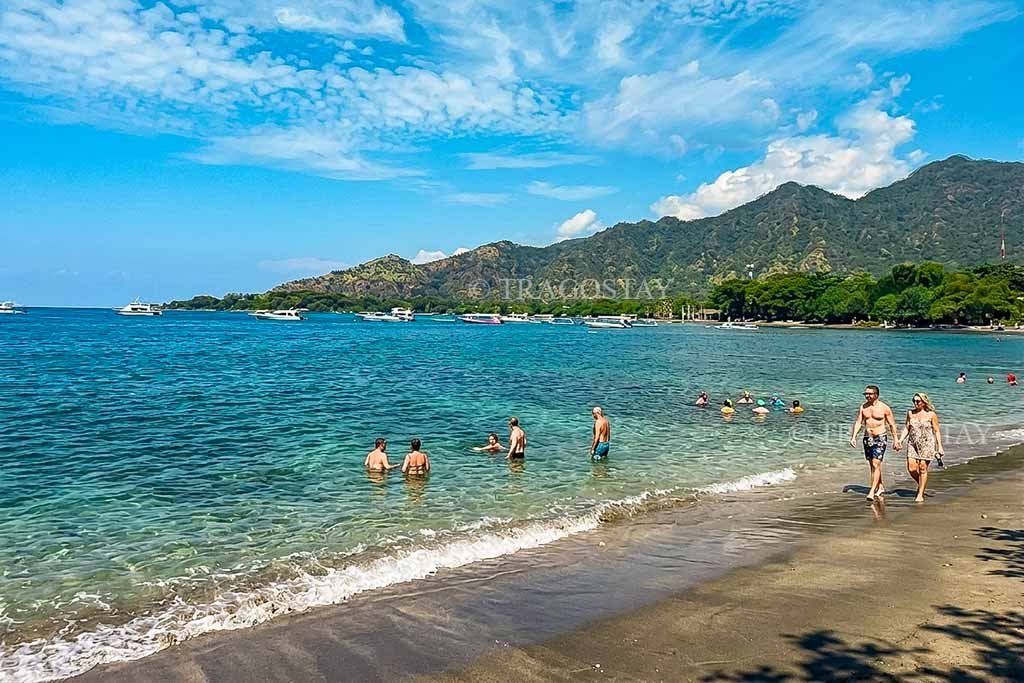
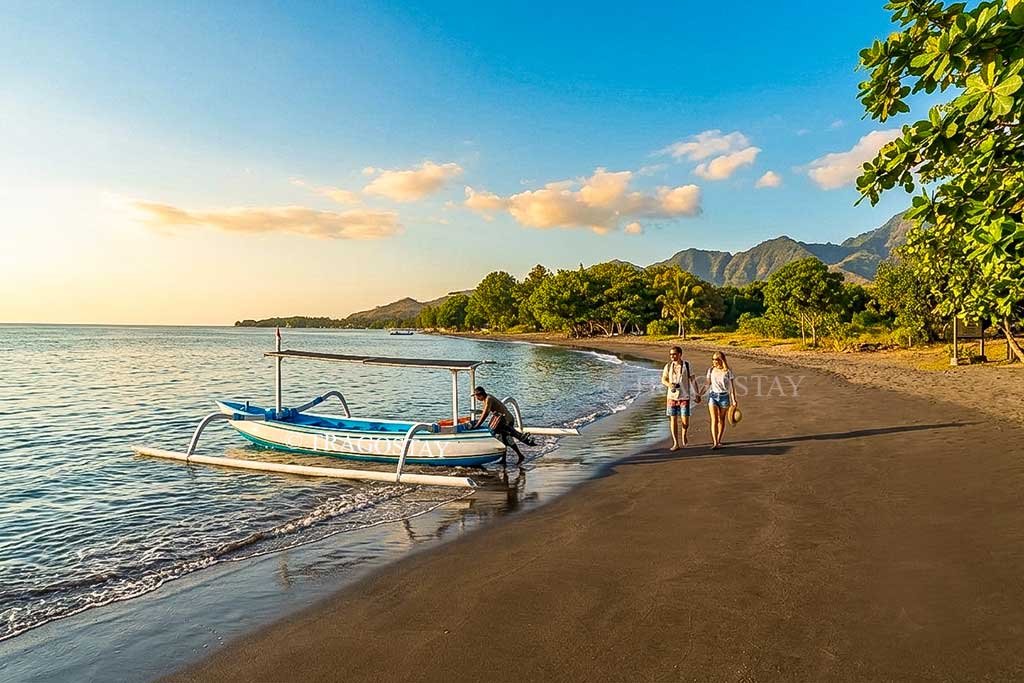
North Bali is very famous because it possesses a rugged coastline and hidden underwater treasures that remain largely untouched. Specifically, Pemuteran Beach consists of a long stretch of dark volcanic sand that meets the calm, clear sea. While Southern Bali offers surfing, the North offers a raw connection with the ocean’s diverse marine ecosystem. Therefore, the atmosphere here feels much quieter and more refreshing than the bustling coastal regions in the south. Local villagers take great pride in protecting the sea life and maintaining the integrity of the coastal environment. You will experience a sense of peace as you walk along the shore during the golden sunset. This destination truly defines the meaning of a “hidden gem” in the heart of Northern Bali.



History and culture are deeply intertwined with the marine preservation efforts of this quiet northern coastal village. The local community has protected these waters for decades as a vital source of life and sustainable tourism. Afterward, it became a world-renowned destination for divers seeking an authentic and eco-conscious underwater adventure.
The term Biorock Snorkeling refers to the use of low-voltage electrical currents to accelerate coral growth significantly. Scientists and locals developed this method to repair reefs that suffered from past damage or bleaching events. Most visitors are surprised to find that these metallic structures actually transform into vibrant, life-filled artificial reefs. Furthermore, this scientific approach ensures that the ecosystem remains healthy and resilient against future environmental challenges.
Local people in the nearby Pemuteran village consider the ocean to be sacred and essential for their livelihoods. They have used the sea for traditional fishing and sustainable tourism for many generations. Additionally, they believe that protecting the reefs ensures that the next generation will also enjoy the ocean’s gifts. This spiritual respect ensures that the underwater gardens remain lush and protected from harmful fishing practices.
You might find the drive to the north long, but the marine rewards are absolutely worth every single mile.
The first thing you see when you start your Biorock Snorkeling adventure is the incredible variety of tropical fish. These massive coral gardens support dozens of species, including turtles, nudibranchs, and even small reef sharks. Because the water remains so calm, you can observe the marine life without any strong current interference. It is arguably the most biodiverse and accessible snorkeling scene in all of Northern Bali today.
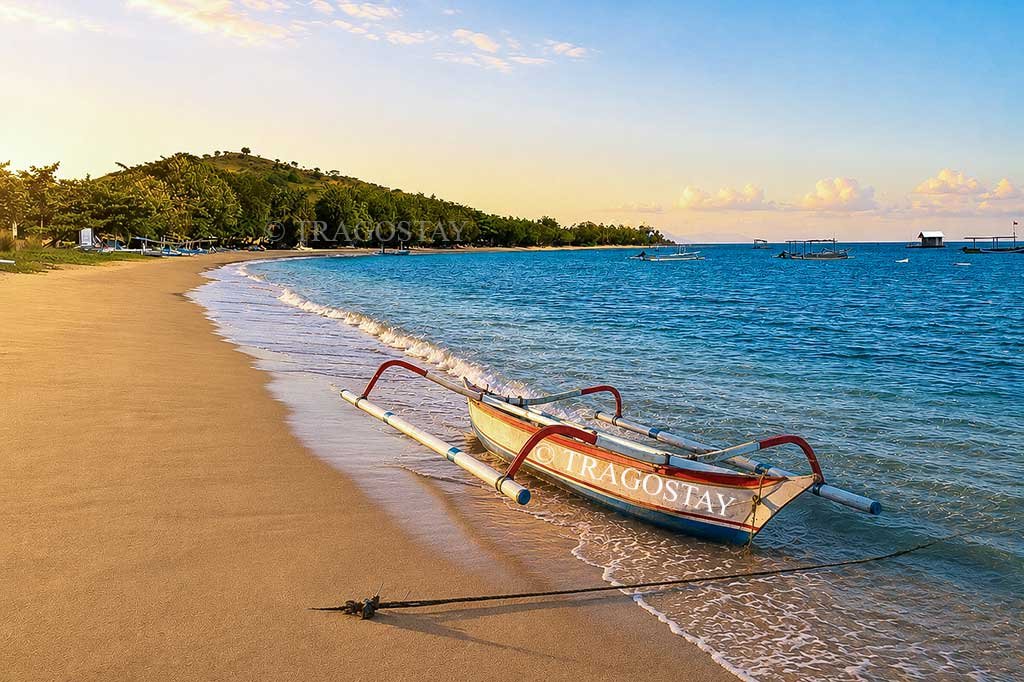
Unlike other tourist spots, Pemuteran Beach retains its wild and primitive feeling, far from the city noise. You will walk past traditional Jukung boats, swaying palm trees, and quiet beachside cafes along the path. Furthermore, the air is filled with the salty scent of the ocean and the sound of waves. This immersion in nature provides a much-needed break from the digital world and urban stress.
Floating above the artificial reefs allows you to feel the true impact of human-led marine conservation. The structures create a constant, thriving habitat for thousands of creatures that would otherwise struggle in a damaged area. Specifically, the energy in the water is said to be very grounding and healing for stressed minds. You will leave the site feeling tired but deeply rejuvenated in your spirit and soul.
Adventure seekers will find plenty of ways to enjoy the marine landscape around Pemuteran Beach.
The journey begins with a short swim from the shore to the designated coral restoration zones. You must wear a life jacket and use fins to navigate the shallow waters above the metallic frames. Because the structures are marked with buoys, you can easily find the most vibrant sections of the reef. Meanwhile, professional local guides will help you navigate the safest routes across the rocky terrain.
Once you finish snorkeling, you can choose to join a boat trip to explore deeper underwater sites. The dive sites in North Bali remain very healthy and vibrant, offering great visibility for all certified divers. You can see colorful soft corals, huge sea fans, and even schools of barracuda if you are lucky. Furthermore, the professional dive centers here prioritize safety and environmental education for all their guests.
Every corner of the beach offers a perfect opportunity for stunning seaside photography or simply reading a book. You can capture the sunset that often turns the sky into a beautiful canvas of orange and pink. Furthermore, the contrast between the dark sand and blue ocean creates a dramatic visual effect. We recommend bringing a waterproof bag to protect your camera gear from the sand and salt spray.
Preparation is the key to enjoying your visit to this spectacular northern Balinese coastal attraction.
You should wear sun-protective clothing because the tropical sun can be quite harsh even in the water. Bringing a towel and a change of clothes is highly recommended if you plan on swimming for a while. Additionally, do not forget to apply reef-safe sunscreen to protect yourself and the delicate coral life below. A bottle of water is essential to stay hydrated during your long days under the bright coastal sun.
The best time to visit this Pemuteran Beach is during the dry season from April to early October. During the rainy season, the wind can sometimes create waves that make snorkeling visibility lower than usual. Furthermore, heavy rain can turn the clear water into a slightly murky color after a big storm. Planning your trip for a sunny morning will ensure you get the best views and safest underwater experience.
You can find more detailed guides on other Bali Tourist Attractions through our main category page.
Yes, it is very suitable for beginners because the water is incredibly calm and shallow. You can easily view the corals while wearing a life jacket, so swimming skills are not strictly required.
While you can technically snorkel alone, the local community highly encourages hiring a guide to support the conservation program. Guides help you identify the coral structures and explain how the electricity helps the reef grow.
You should plan for at least two to three hours for a full return trip to the reef. This time includes the briefing, equipment fitting, the actual snorkeling session, and some time to relax on the beach.
The beach is generally very safe and family-friendly, making it a great place for children to play. Older children who are active can usually handle the snorkeling if they use proper equipment and adult supervision.
The entrance fee is very low, but most dive shops ask for a small donation to maintain the structures. The prices usually include the rental of the equipment and the services of a professional local guide.
We highly recommend arriving between 8:00 AM and 10:00 AM to avoid the midday heat and afternoon winds. The lighting for photography is also much better in the morning before the sun is directly overhead.
Log in
Don't have an account? Register
Please enter your username or email address. You will receive a link to create a new password via email.
Register with your email
Do you already have an account? Log In
Log in
Don't have an account? Register
Please enter your username or email address. You will receive a link to create a new password via email.
Register with your email
Do you already have an account? Log In