

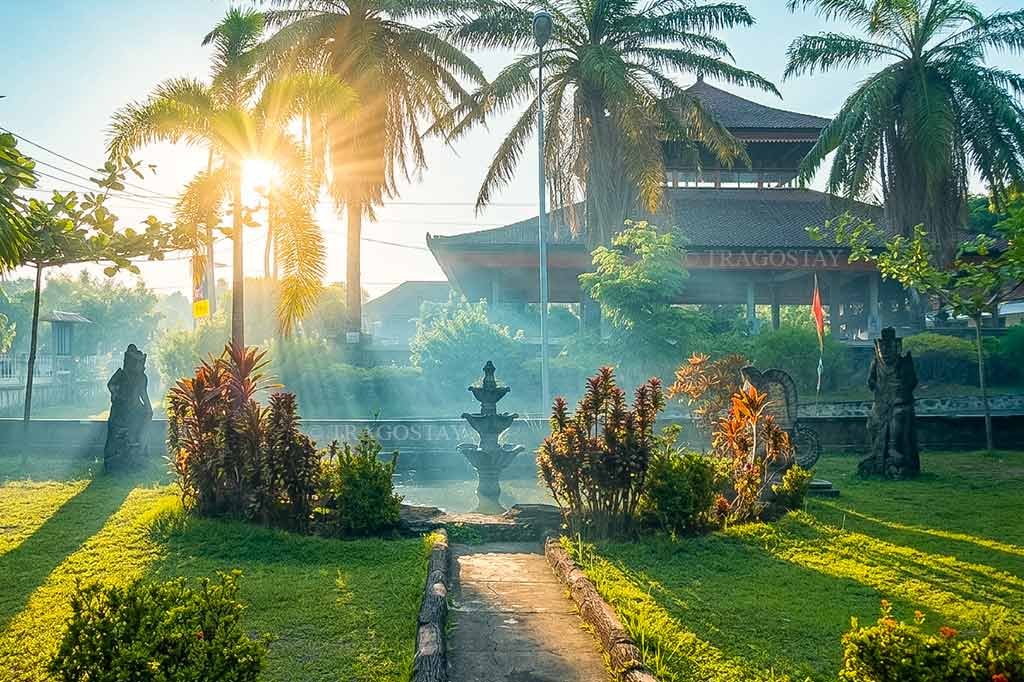
Gedong Kirtya Lontar Library stands as a prestigious center for the preservation of Bali’s ancient literary and spiritual wisdom. You will find this historical institution located within the royal palace complex of Singaraja in the heart of Buleleng. Many international scholars visit the Gedong Kirtya Museum to explore one of the most important Balinese Heritage Sites because it houses thousands of fragile manuscripts. Consequently, it offers a rare glimpse into the intellectual history of the island that predates modern printing technology. Tragostay provides all the essential details so that your visit to this “Lontar library” becomes a deeply educational and cultural experience.
Exploring the silent halls of the Gedong Kirtya Lontar Library allows you to appreciate the dedication required to maintain such a delicate collection. Unlike the bustling tourist markets nearby, the atmosphere here is scholarly and filled with the scent of old wood and dried leaves. Therefore, you will feel a profound sense of respect while observing the staff carefully cleaning and oiling the ancient Lontar. This area serves as a primary repository within the Gedong Kirtya Museum for those who wish to study authentic Balinese Heritage Sites.
Furthermore, the library was established during the Dutch colonial era to ensure that local wisdom would not be lost to time. You will find that the collection includes manuscripts from as far back as the 14th century. This destination truly captures the sophisticated and enduring literary spirit of the northern Balinese people.
The Gedong Kirtya Lontar Library was officially founded in 1928 by Dutch officials in collaboration with the local Balinese royalty. You will find that the goal was to collect and protect the scattered manuscripts that were previously held in private family shrines. Specifically, the history of this site is rooted in a mutual desire to archive the sacred knowledge of the Majapahit era. Furthermore, this collaborative effort makes the Gedong Kirtya Museum one of the most respected Balinese Heritage Sites today.
In Balinese culture, the Lontar is not just a book but a sacred object that is often treated with religious offerings. You can see that many of the texts contain secret mantras, traditional healing formulas, and holy genealogies of the gods. Specifically, the Gedong Kirtya Lontar Library represents the spiritual bridge between the physical world and the ancestral wisdom of the people. Consequently, it remains a vital location among Balinese Heritage Sites for its role in maintaining religious continuity.
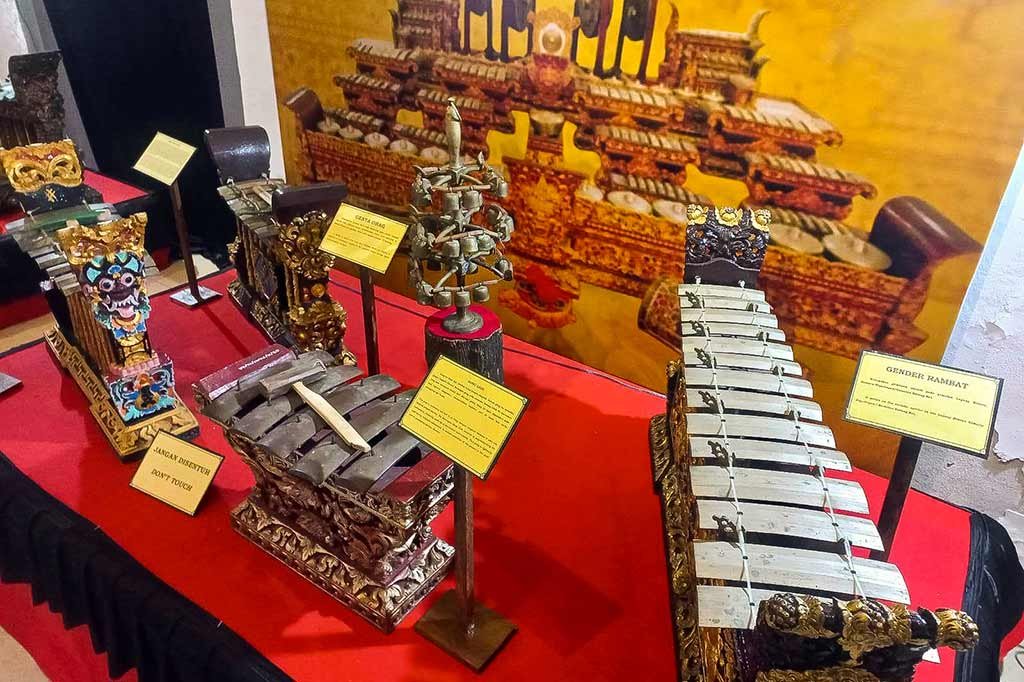
The primary function of the Gedong Kirtya Lontar Library today is to serve as a research center for students and professors. You will find that the staff provides access to digitized copies of the manuscripts to protect the original fragile leaves from damage. Specifically, the Gedong Kirtya Museum acts as a living laboratory where the ancient Kawi and Sanskrit languages are still studied. Furthermore, this academic mission has successfully secured the library’s place among the world-renowned Balinese Heritage Sites.
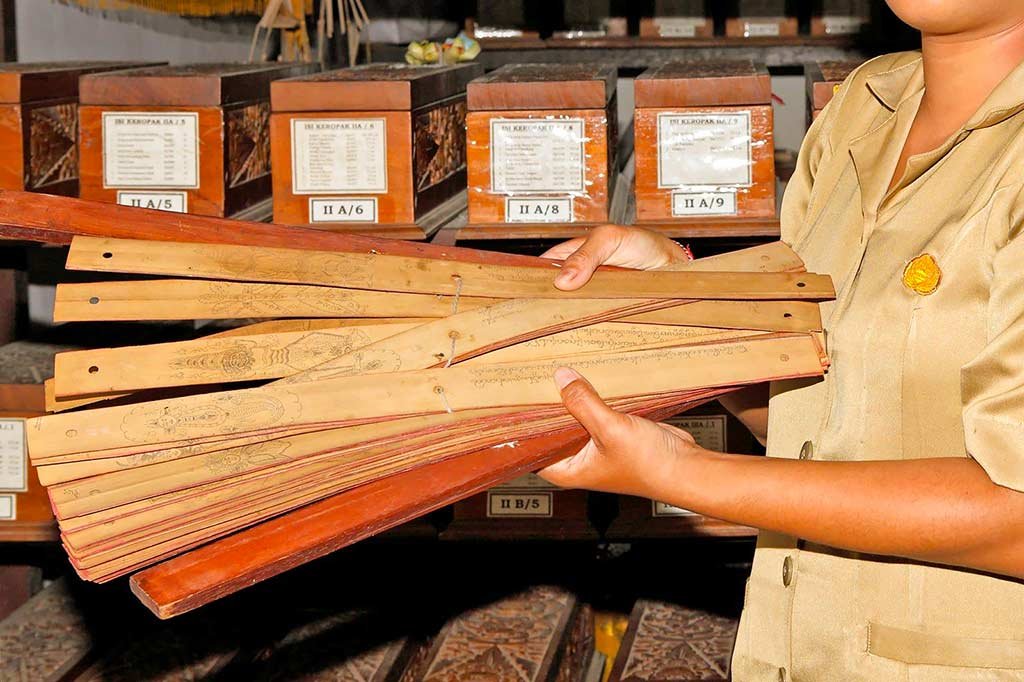
Beyond research, the facility functions as a museum where the public can learn about the traditional process of manuscript creation. You can witness artisans dry, boil, and etch the tal palm leaves using a sharp iron stylus. Specifically, these educational displays at the Gedong Kirtya Museum show the younger generation the complexity of their ancestors’ writing systems. Furthermore, visiting the Gedong Kirtya Lontar Library is a great way to experience the tangible history of Balinese Heritage Sites firsthand.
The Gedong Kirtya Lontar Library is the only institution globally that focuses exclusively on the collection and preservation of Lontar manuscripts. Specifically, the Gedong Kirtya Museum provides an irreplaceable treasure for the study of Southeast Asian literature. It is truly a one-of-a-kind destination among all Balinese Heritage Sites.
You can see incredibly detailed drawings and scripts that were carved by hand into narrow strips of palm leaf. Specifically, the precision of the ancient scribes at the Gedong Kirtya Lontar Library is mind-blowing considering they worked without modern tools. This artistic mastery is a signature of the highest quality Balinese Heritage Sites.
The library holds a significant collection of Prasi, which are manuscripts that consist entirely of illustrations depicting epic stories. Specifically, the Gedong Kirtya Museum provides a fascinating look at the historical fashion, architecture, and mythology of ancient Bali. This specific art form is a rare highlight found within Balinese Heritage Sites.
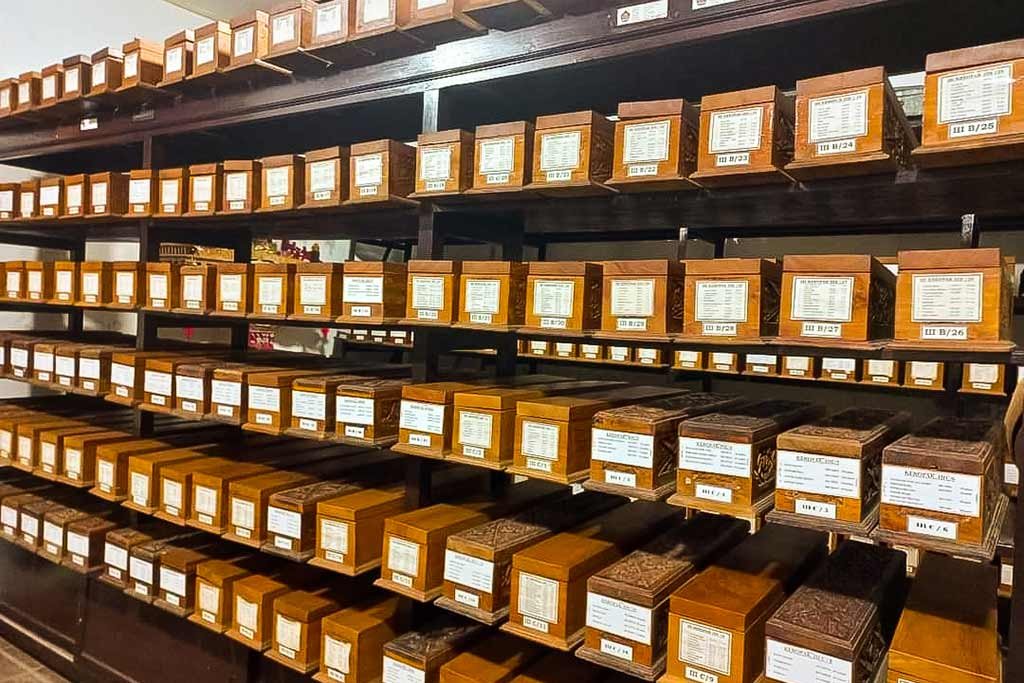
The building housing the Gedong Kirtya Lontar Library is a sturdy stone structure designed to keep the internal temperature cool. You will notice that the windows are small and high to prevent direct sunlight from reaching the delicate manuscripts inside. Specifically, the interior features rows of wooden boxes called kropak which are used to store the individual palm leaves safely. Furthermore, the architecture reflects the protective nature required for one of the most sensitive Balinese Heritage Sites.
Each manuscript is kept in a beautifully carved wooden box that is often painted in traditional red and gold colors. You should look at the intricate carvings on these boxes which often represent the theme of the text held within. Specifically, these boxes at the Gedong Kirtya Museum are designed to allow air circulation while preventing dust and insects. Furthermore, the sight of hundreds of these boxes stacked on shelves is a visual highlight of these Balinese Heritage Sites.
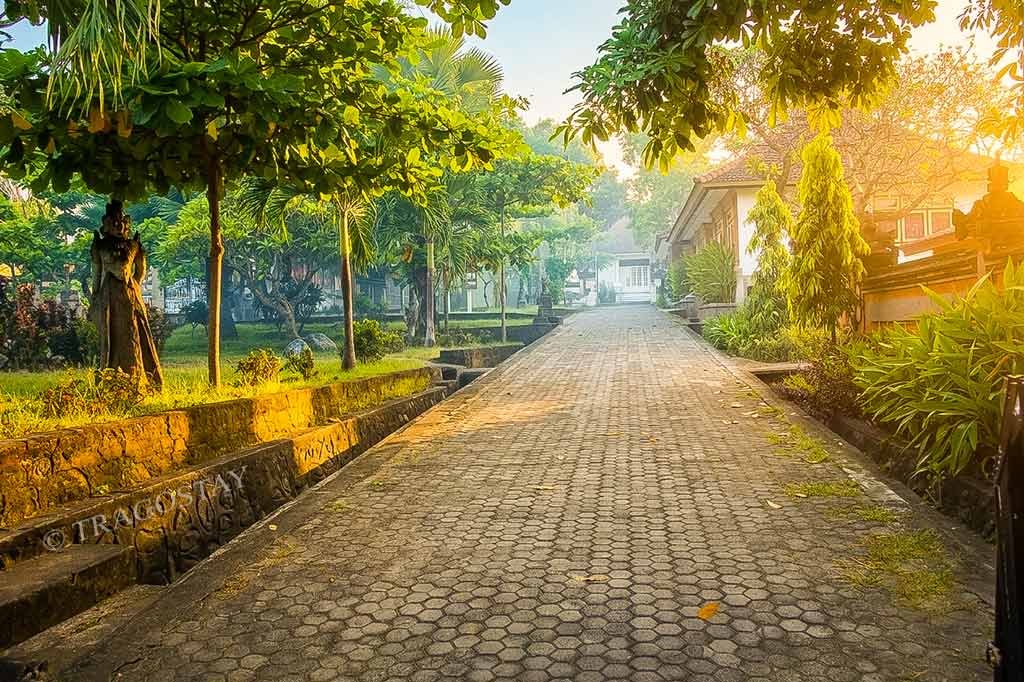
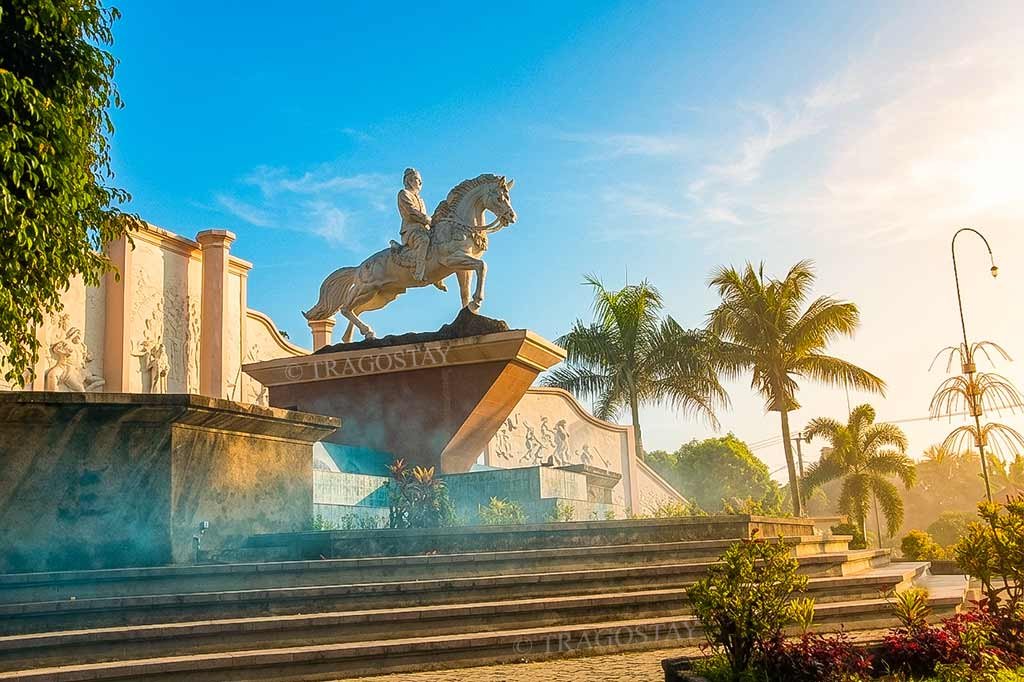
The Gedong Kirtya Lontar Library is located within the wider Puri Agung Singaraja complex, adding a sense of royal grandeur. You can see traditional Balinese gates and courtyards that have been the home of the Buleleng kings for centuries. Specifically, the location within the palace walls highlights the historical link between the ruling elite and the patronage of literature. Furthermore, exploring the surrounding grounds provides a complete picture of the aristocratic Balinese Heritage Sites.
The best time to visit the Gedong Kirtya Lontar Library is on a weekday morning when the atmosphere is at its most peaceful. You will find that the staff at the Gedong Kirtya Museum has more time to provide detailed explanations for you. Specifically, arriving early allows you to avoid the midday heat while walking through the open courtyards of the palace. Furthermore, a morning visit ensures that you have plenty of time to explore other nearby Balinese Heritage Sites.
Because many of the manuscripts are considered holy, you should maintain a quiet voice and move respectfully through the building. You should also ask for permission before taking photos, especially when using a flash, as light can damage the leaves. Specifically, being mindful of your behavior shows respect for the ancient wisdom preserved in the Gedong Kirtya Museum. Furthermore, following these simple guidelines ensures that Balinese Heritage Sites remain protected for future generations.
You can find more detailed guides on other Bali Tourist Attractions through our main category page.
Log in
Don't have an account? Register
Please enter your username or email address. You will receive a link to create a new password via email.
Register with your email
Do you already have an account? Log In
Log in
Don't have an account? Register
Please enter your username or email address. You will receive a link to create a new password via email.
Register with your email
Do you already have an account? Log In