

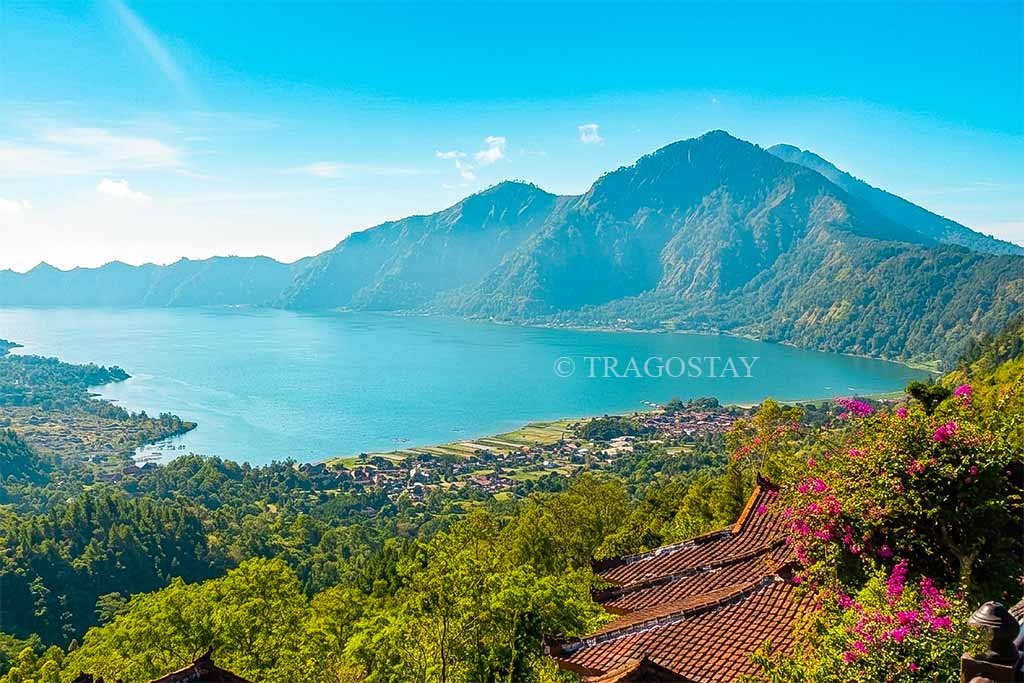
Lake Batur Kintamani is a breathtaking natural wonder that every traveler must visit when exploring the northern highlands of the island. This stunning body of water sits inside a massive volcanic caldera and holds the title as the largest lake in Bali. Many visitors feel a sense of peace as they gaze at the calm blue waters surrounded by rugged mountain peaks. Therefore, you should definitely include this destination in your itinerary to experience the diverse landscapes of Indonesia.
This lake serves as a vital water source for the entire island and supports the lives of thousands of local farmers. You will find that this area is one of the most essential Bali Tourist Attractions for nature lovers and photography enthusiasts. The cool mountain air provides a refreshing break from the heat of the southern beaches like Kuta or Seminyak. Furthermore, the combination of a deep blue lake and an active volcano creates a dramatic scenery that is truly world-class. Consequently, Lake Batur remains a top choice for travelers seeking a deep connection with the natural heritage of Bali.
The formation of Lake Batur Kintamani is a fascinating story of ancient volcanic activity that happened thousands of years ago. Geologists explain that a series of massive eruptions created a giant hole in the earth known as a caldera. Over many centuries, rainwater filled this depression and eventually formed the magnificent lake that we see today. Because of this unique geological history, the area is now part of the UNESCO Global Geopark network.
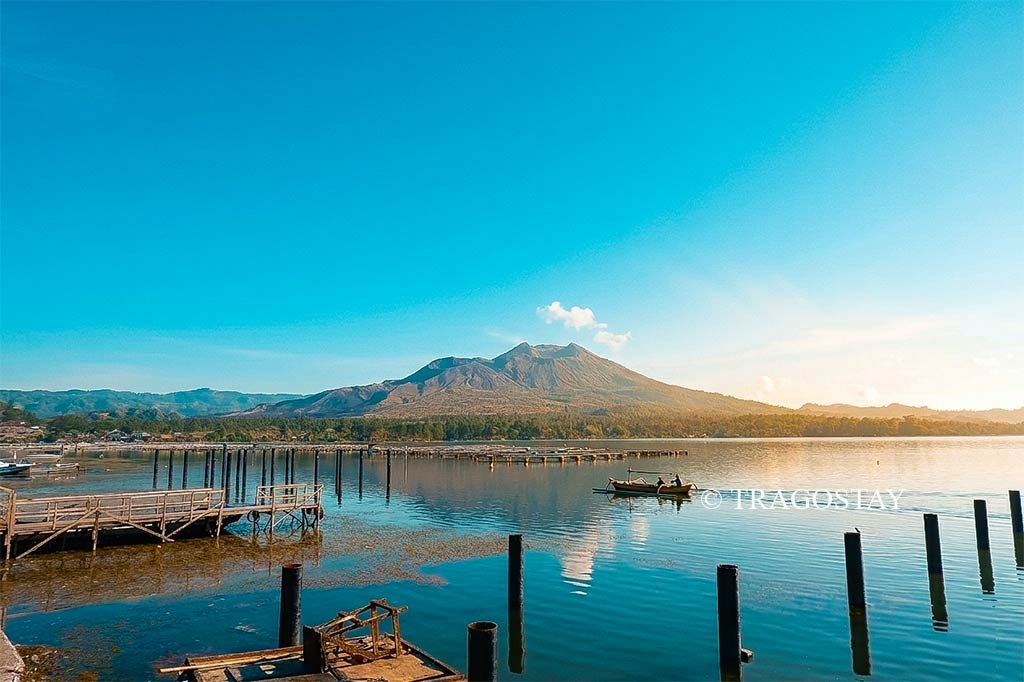
This lake sits within an outer caldera that measures approximately thirteen by ten kilometers in size. This makes it one of the most impressive volcanic formations in the world and confirms its status as the largest lake in Bali. The inner caldera contains the active Mount Batur volcano, which still occasionally releases steam into the air. This combination of a calm lake and an active volcano creates a dramatic landscape that attracts scientists and tourists from every corner of the globe.
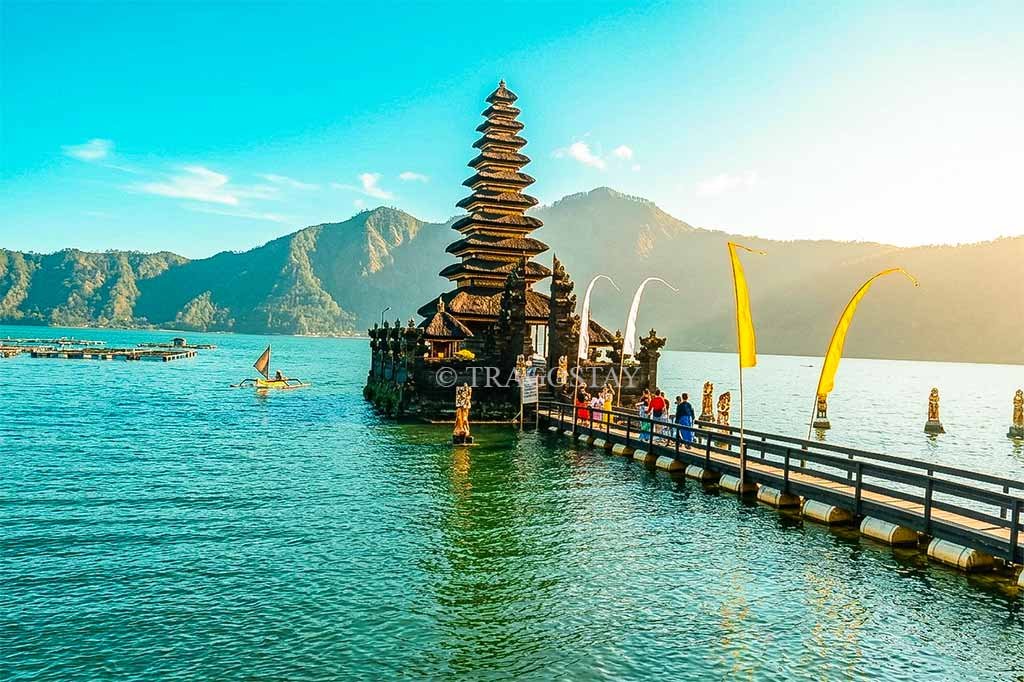
For the Balinese Hindus, the largest lake in Bali is not just a body of water but a sacred dwelling place for a goddess. They believe that Dewi Danu resides in these waters and controls the fertility of all the rice fields on the island. For this reason, the local community treats Lake Batur Kintamani with the utmost respect and performs many religious rituals along its shores. You might see colorful ceremonies where locals offer prayers to ensure a continuous water supply for their crops.
Many priests from all over the island travel to this lake to collect holy water for their important temple ceremonies. They consider the water from Lake Batur Kintamani to be exceptionally pure and spiritually powerful for cleansing rituals. This tradition highlights the deep connection between the natural environment and the daily spiritual lives of the Balinese people. Therefore, visiting the lake offers you a profound insight into the spiritual heart of the Kintamani highlands.
You should visit this place because it offers a completely different perspective of Bali’s diverse and beautiful landscape. While the southern part of the island is famous for its waves, Kintamani offers mist-covered mountains and peaceful waters. Additionally, the temperature here is much cooler, providing a welcome relief from the humid tropical weather of the lowlands. This makes the area perfect for long walks, cycling, or simply relaxing by the water with a warm drink.
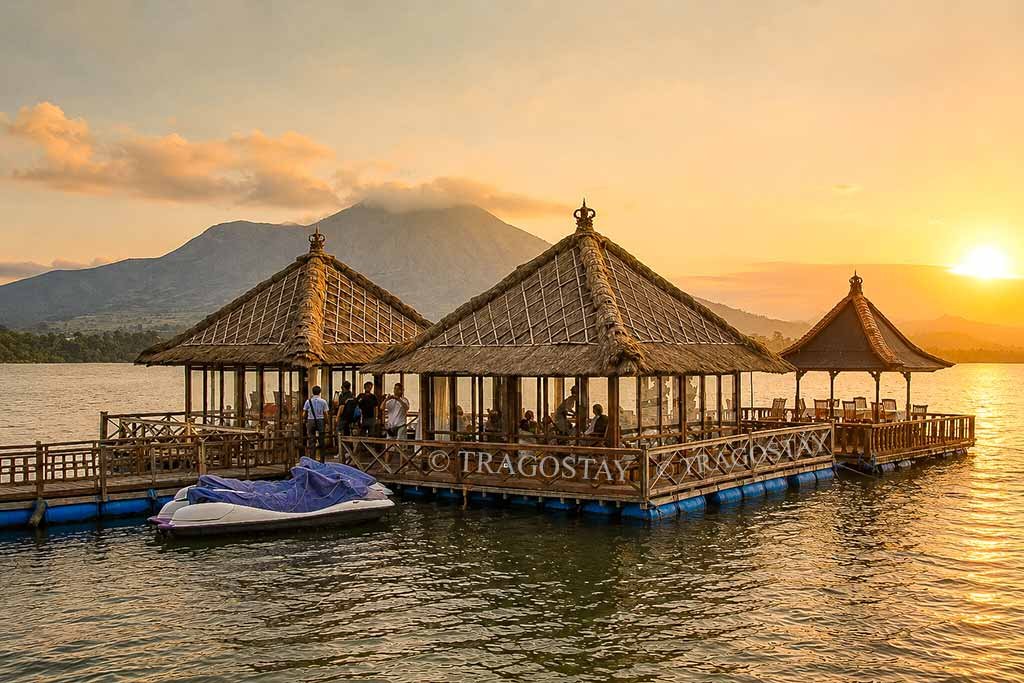
Another reason to visit is the opportunity to combine nature exploration with cultural immersion in a single trip. You can visit ancient villages that have existed for centuries while enjoying the modern amenities of lakeside cafes. The area also offers some of the best natural hot springs on the island, which are heated by the volcano. Thus, Lake Batur Kintamani is a versatile destination that caters to adventure seekers, culture lovers, and those who just want to unwind.
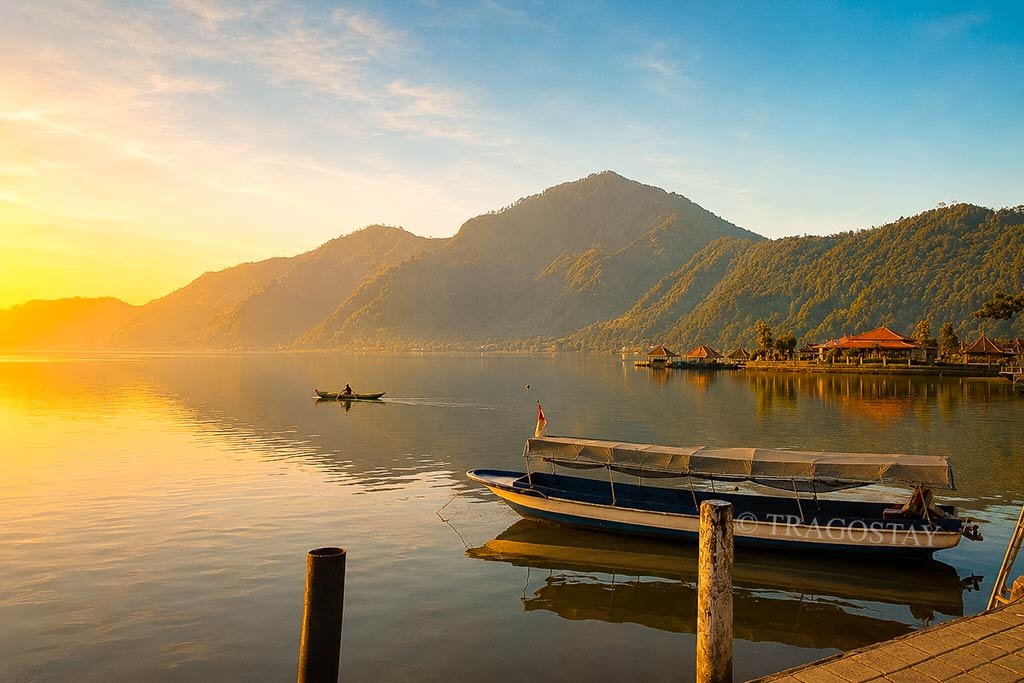
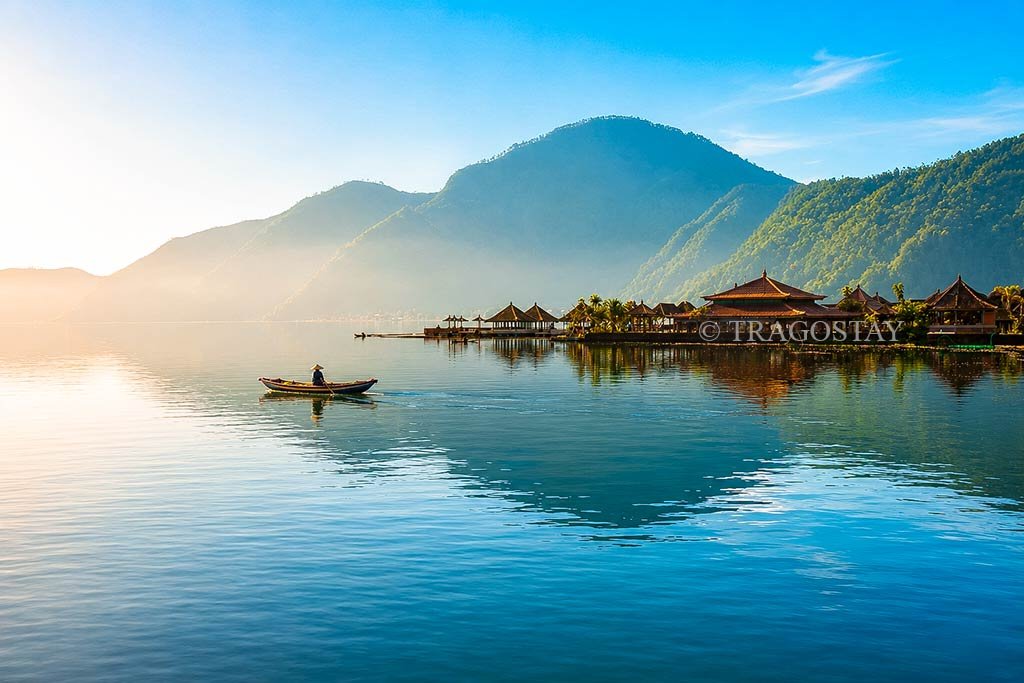
The most popular activity for visitors is taking a traditional boat ride across the calm surface of the lake. This allows you to see the volcano from a different angle and reach isolated spots along the shore. During the boat trip, you can enjoy the silence of nature and watch local fishermen at work. Many of these fishermen still use traditional methods to catch tilapia, which is a local specialty in Kintamani.
You should also visit the Pura Segara Ulun Danu Batur, which is a stunning temple that appears to float on the water. This temple provides a majestic spiritual atmosphere and is a great spot for cultural photography in the largest lake in Bali. After your temple visit, you can head to the Toya Devasya or Batur Natural Hot Springs for a relaxing soak. These facilities offer multiple pools with different temperatures, all overlooking the beautiful lake and the surrounding mountains.
The best time to visit Lake Batur Kintamani is during the dry season, which usually lasts from May to September. During these months, the sky is generally clear, and the lake reflects the bright blue color of the atmosphere. Conversely, the rainy season can bring heavy mist and clouds that might obscure the views of the mountains. You should aim to arrive in the morning to enjoy the clearest views before the afternoon clouds start to roll in.
Most travelers hire a private driver from Ubud, which is about a sixty-minute journey through beautiful countryside and villages. If you are coming from the southern tourist hubs, the drive to the largest lake in Bali can take around two to three hours. The roads are well-maintained, but they can be quite winding as you ascend into the mountain region. Therefore, having an experienced driver allows you to sit back and enjoy the scenic views of rice fields and forests along the way.
You should bring a light sweater or a jacket even if you visit during the middle of the day. The temperature in Lake Batur Kintamani is significantly lower than in the coastal areas, especially when the wind blows across the lake. Furthermore, you should wear comfortable walking shoes if you plan to explore the lakeside villages or the temple complexes. Carrying a small amount of cash is also recommended as some local vendors do not accept digital payments or credit cards.
Please remember to dress modestly when visiting the lakeside temples by wearing a sarong and a waist sash. You should also avoid swimming in areas that are considered sacred by the local community to show respect. Always ask for permission before taking photos of people during their religious ceremonies or daily rituals. Finally, help keep the lake clean by disposing of your trash in the provided bins to preserve this natural treasure.
While some areas allow swimming, most people prefer to use the lakeside hot springs for a safer and warmer experience. Many parts of the lake are used for fishing and irrigation, which may not be ideal for casual swimming.
Lake Batur has a maximum depth of approximately 88 meters, which contributes to the dark blue color of its volcanic water. This depth makes it a fascinating subject for geological study and a unique natural reservoir.
You will find many restaurants and small eateries along the main road of Kintamani that serve fresh lake fish. Most of these places offer stunning views of the caldera while you enjoy your meal.
You can explore the main viewpoints and lakeside areas on your own without a professional tour guide quite easily. However, a guide is very helpful if you want to visit isolated spots like Trunyan Village.
There are several ATMs in the main village of Kintamani, but they may not always be reliable or stocked. It is much better to carry enough cash from Ubud or the southern areas before you arrive.
The area is very safe for tourism because the Indonesian authorities monitor the volcano 24 hours a day. You should simply follow the local safety guidelines and check the latest news before your visit.
Log in
Don't have an account? Register
Please enter your username or email address. You will receive a link to create a new password via email.
Register with your email
Do you already have an account? Log In
Log in
Don't have an account? Register
Please enter your username or email address. You will receive a link to create a new password via email.
Register with your email
Do you already have an account? Log In