

Kehen Temple, known locally as Pura Kehen, represents one of the most mesmerizing and historically significant architectural wonders on the island of Bali. It is located in the heart of the Bangli Regency. This sacred site often remains hidden from the massive crowds, offering a serene atmosphere for every soul. Many visitors describe their arrival at this sanctuary as a journey into a forgotten era because of its ancient stone carvings and moss-covered walls. Therefore, you must include this magnificent destination in your travel itinerary if you seek a deep spiritual experience away from the tourist hubs.
This sanctuary is widely regarded as one of the most beautiful Bali Tourist Attractions due to its unique terraced structure and grand entrance. As a premier Ancient Temple in Bali, the complex serves as the state temple for the Bangli Kingdom, carrying a royal aura that you can feel instantly. The temple is built on a misty hill, surrounded by lush tropical greenery that adds a mystical touch to its grand appearance. Furthermore, the intricate details found in every corner of the shrine reflect the peak of Balinese craftsmanship from centuries ago. Consequently, a visit to Pura Kehen provides a profound understanding of the royal heritage and spiritual devotion that defines the Bangli region.
The history of Kehen Temple is deeply rooted in the ancient chronicles of the Balinese kings who ruled the central highlands. Historical inscriptions found within the complex suggest that the temple was established as early as the 11th century during the reign of King Sri Brahma Kemas. Because of its age, it is considered a vital piece of the island’s cultural puzzle, connecting modern rituals with ancient traditions. The temple has survived through multiple eras, witnessing the rise and fall of various royal dynasties in Bangli.
As an Ancient Temple in Bali, this site functioned primarily as the location for grand royal ceremonies and sacred inaugurations. The kings of Bangli treated this place as their spiritual anchor, seeking divine guidance for their governance and the welfare of their people. This royal connection is still visible today in the scale and complexity of the stone altars and the grand courtyards. This traditional temple in Bali continues to be a symbol of pride for the local residents who meticulously maintain its ancient beauty.
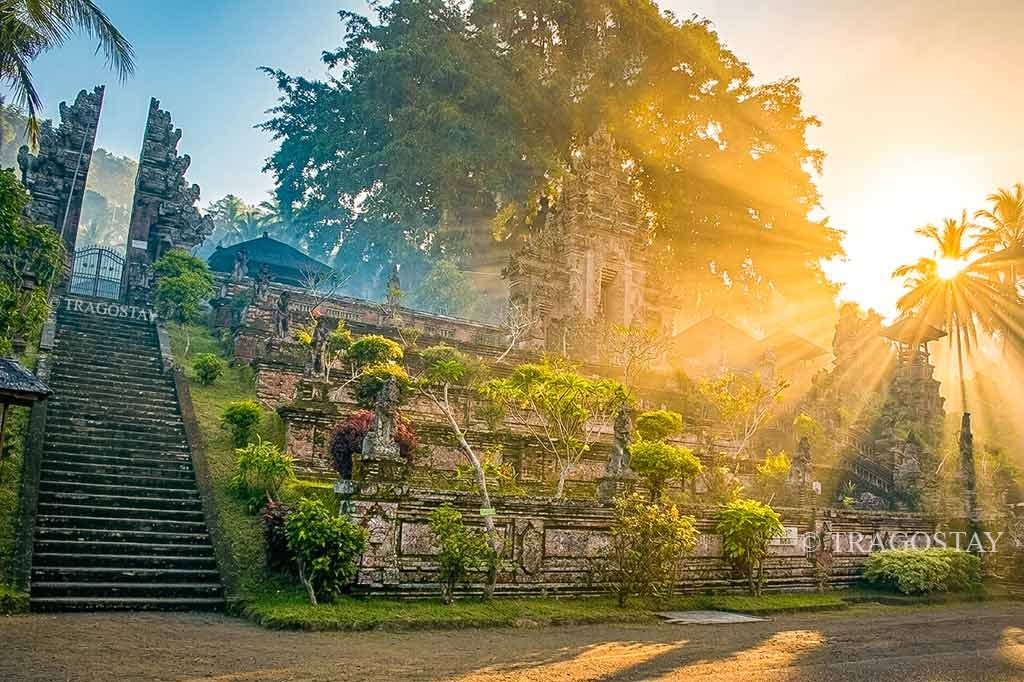
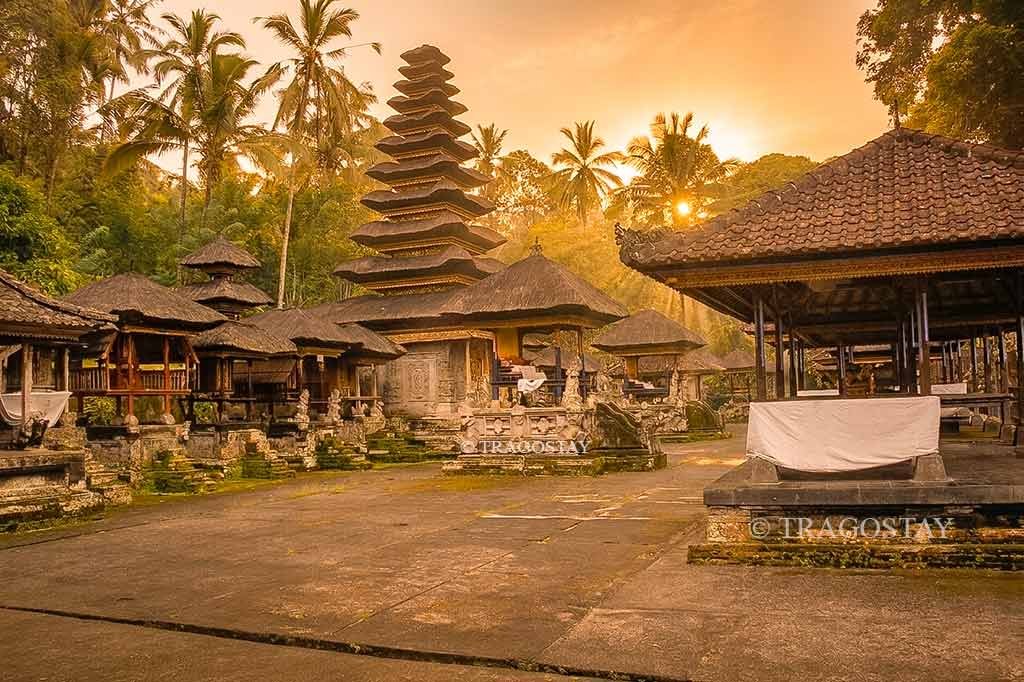
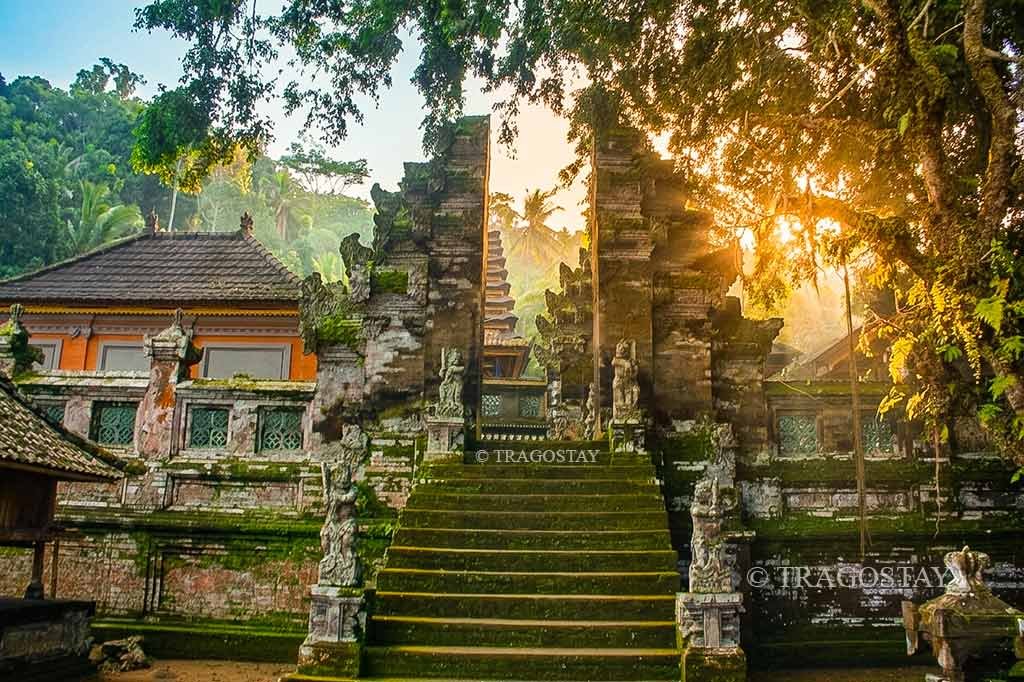
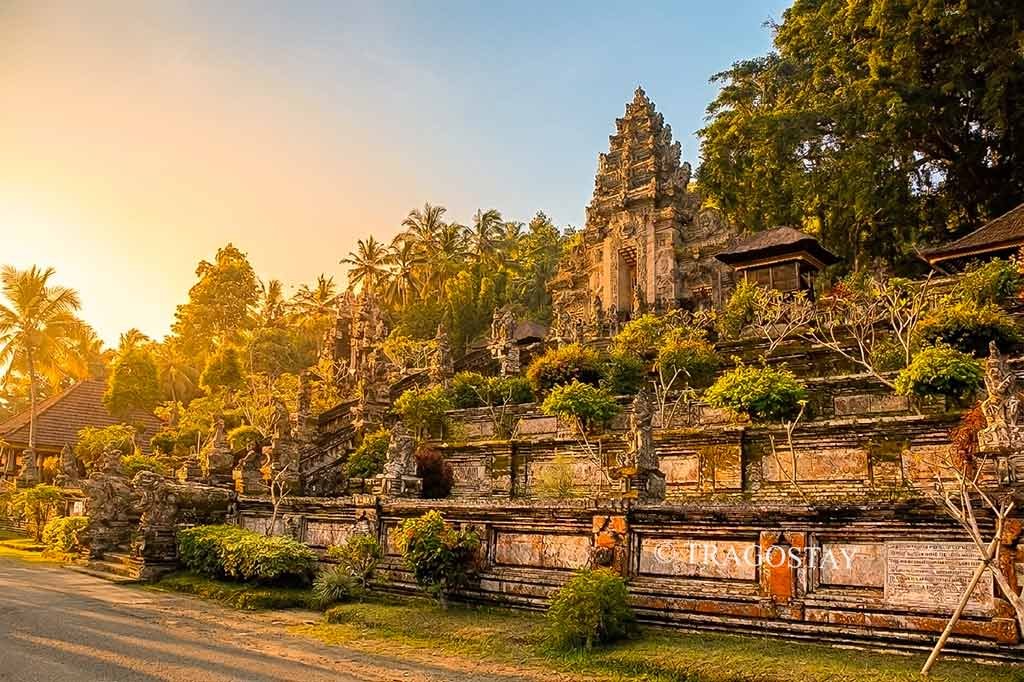
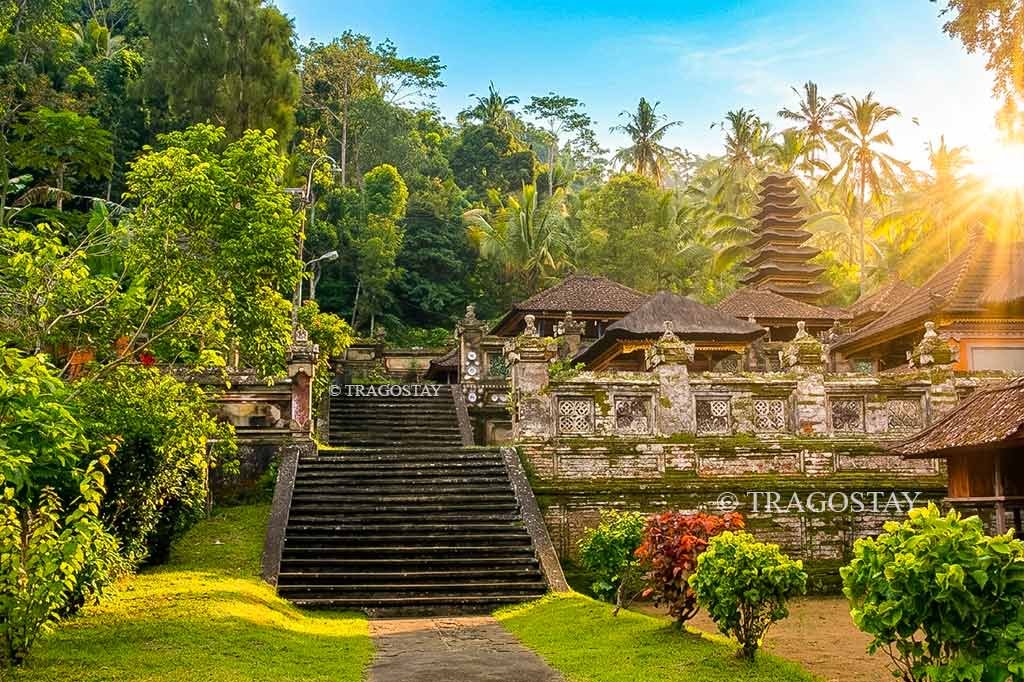
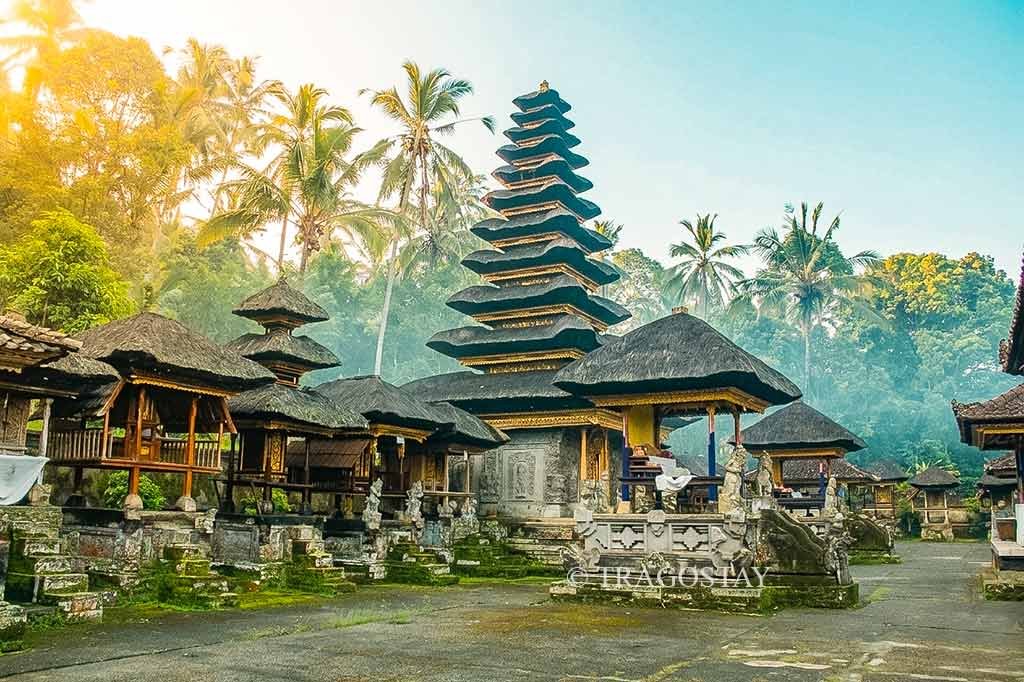
The layout of Kehen Temple is unique because it is built on several rising terraces, following the natural slope of the hill. This “Punden Berundak” style is a characteristic of prehistoric Indonesian architecture that has been beautifully adapted into Balinese Hindu design. You will enter through a massive gateway guarded by stone statues of mythical characters from the Ramayana epic. This grand entrance creates a dramatic transition from the outside world into the sacred silence of the temple grounds.
One of the most striking features of this traditional temple in Bali is the enormous, centuries-old banyan tree located in the first courtyard. This tree is so large that it has a small wooden hut built into its branches, which is used for the temple’s percussion ensemble. The sight of the hanging roots and the ancient stone shrines creates a scene that looks like something out of a mythic legend. This natural monument is considered sacred and symbolizes the eternal connection between the earth and the heavens.
You should visit this site because it offers an authentic experience that is increasingly rare in the more commercialized parts of the island. Unlike the crowded gates of other famous temples, Kehen Temple allows you to reflect in peace and truly appreciate the art of stone carving. Additionally, the cool climate of Bangli makes it a very pleasant place to explore during the midday heat. This sanctuary is perfect for those who are looking for “slow travel” experiences and want to connect with the local culture.
Another reason to visit is to witness the incredible “piring” or porcelain plates that are embedded directly into the temple walls. These colorful plates were originally gifts from Chinese merchants and symbolize the long history of international trade in Bali. This artistic blend creates a unique visual texture that sets this Ancient Temple in Bali apart from any other religious site. Thus, Pura Kehen is a paradise for history buffs and photography enthusiasts who want to capture unique cultural details.
The best activity is to climb the grand staircase and explore the three main courtyards, each representing a different level of the spiritual universe. While you walk through the middle courtyard, you can observe the intricate carvings that tell stories of gods, demons, and human heroes. The highest terrace is the most sacred, where the eleven-roofed “Meru” shrine stands tall against the mountain backdrop. This tower is dedicated to the supreme deity and is the focal point of all major religious festivals in Bangli.
You should also take time to sit quietly under the shade of the banyan tree and listen to the birds singing in the forest. This is the perfect moment for cultural reflection and to admire the harmony between the ancient stonework and the living nature. After you finish your exploration, you can walk around the outer walls to see how the temple interacts with the local village life. Many visitors find that the simple act of being present in such a sacred space provides a sense of mental clarity.
The best time to visit Kehen Temple is during the dry season between the months of April and October. During this period, the stone carvings are fully illuminated by the sun, highlighting the incredible depth of the artistic details. If you want to see the temple in its most vibrant state, try to visit during the “Odalan” or anniversary festival. The entire complex is decorated with colorful fabrics and hundreds of Balinese families arrive in their finest traditional clothes to pray.
Most travelers hire a private car from Ubud, which is only a short 45-minute drive through scenic villages and rice fields. If you are staying in the southern areas, the journey to this traditional temple in Bali will take about two hours. The road to Bangli is well-paved and offers a beautiful view of rural landscapes that are very different from the city. Therefore, having a local driver is the most convenient way to enjoy the trip while learning about the local geography.
You must wear a traditional sarong and a waist sash to enter the sacred grounds of Pura Kehen. This rule applies to everyone as a sign of respect for the holy nature of the site and the local customs. Even if you are wearing long clothing, the traditional wrap is mandatory for all visitors who wish to pass through the gates. Furthermore, you should avoid making loud noises or running within the temple courtyards to maintain the peaceful atmosphere.
Please remember to avoid walking in front of people who are in the middle of a prayer or a ceremony. You should also keep your camera use respectful and avoid using flashes inside the shrines or near the priests. Women who are on their period are traditionally requested to refrain from entering the temple area for spiritual reasons. Finally, always be mindful of where you step to avoid accidentally disturbing the small flower offerings placed on the ground.
Yes, every visitor must purchase a ticket at the entrance to support the maintenance of the temple. This fee usually includes the use of a traditional sarong and sash for your exploration.
You are welcome to visit during ceremonies as long as you stay in the outer areas. This is a great chance to see the traditional Balinese music and colorful offerings in person.
The temple is very family-friendly, but you must supervise children closely on the steep stone stairs. It is a great educational place for kids to learn about history and different cultures.
There are approximately 38 grand stone steps to reach the main entrance from the parking area. While it might feel a bit steep, the view from the top is definitely worth the effort.
You must wear a sarong and a waist sash to be allowed inside the temple gates. These items are available for rent at the entrance if you did not bring your own clothing.
Most visitors spend about 45 minutes to an hour to fully explore the three main courtyards. You might want to stay longer if you enjoy photography or reading the historical information boards.
Log in
Don't have an account? Register
Please enter your username or email address. You will receive a link to create a new password via email.
Register with your email
Do you already have an account? Log In
Log in
Don't have an account? Register
Please enter your username or email address. You will receive a link to create a new password via email.
Register with your email
Do you already have an account? Log In