
Gunung Kawi Temple

The Majestic 11th-Century Cliff Shrines of Bali

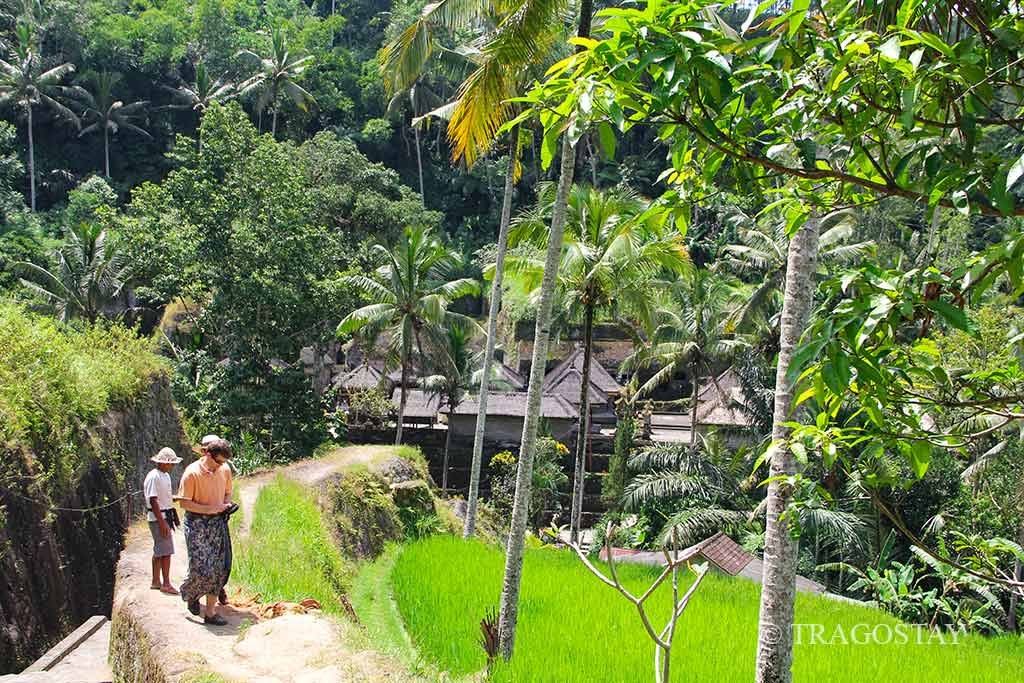
Gunung Kawi Temple is one of Bali’s most unique and also impressive archaeological sites, located in the Tampaksiring region. This ancient complex features ten massive shrines carved directly into the face of a sheer rock cliff. This site is widely recognized as one of the most essential Bali tourist attractions for history buffs and also spiritual seekers. The temple is set within a deep river valley surrounded by lush green rice terraces and also tropical jungles.

Furthermore, it offers a glimpse into the island’s royal past and also its incredible stone-carving traditions. Therefore, it is a “must-visit” destination for anyone exploring the cultural heart of Bali. You will be awed by the grandeur of Gunung Kawi Temple.

Etymology and History

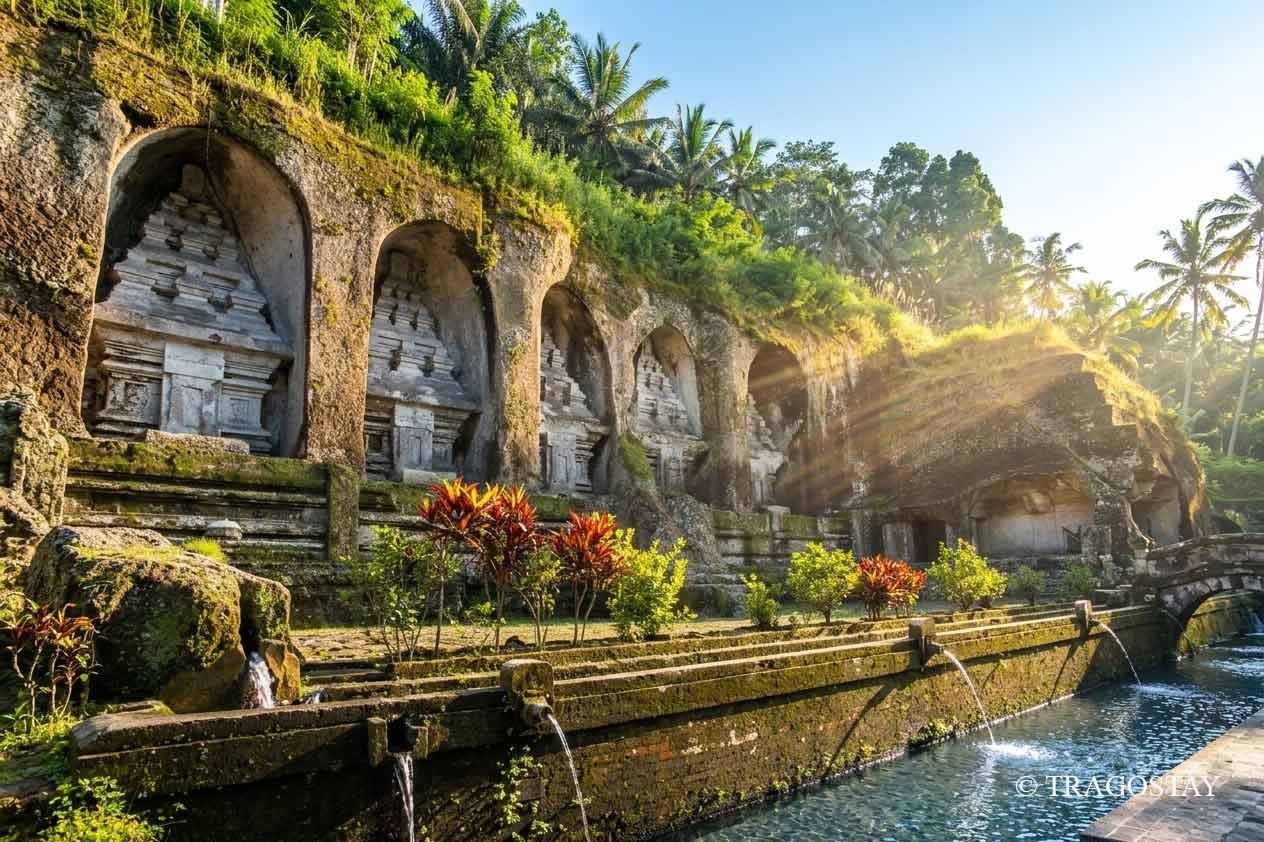
The name Gunung Kawi translates to “Mountain of the Poet” or also “Mountain of the Sculptor” in Old Javanese. It is believed that the complex was constructed during the 11th century during the reign of King Anak Wungsu. The shrines are thought to be memorial monuments dedicated to the King and also his favorite queens. Consequently, the site serves as a royal tomb complex, although no human remains were ever found inside. This makes Gunung Kawi a vital piece of the Warmadewa Dynasty’s historical legacy on the island.
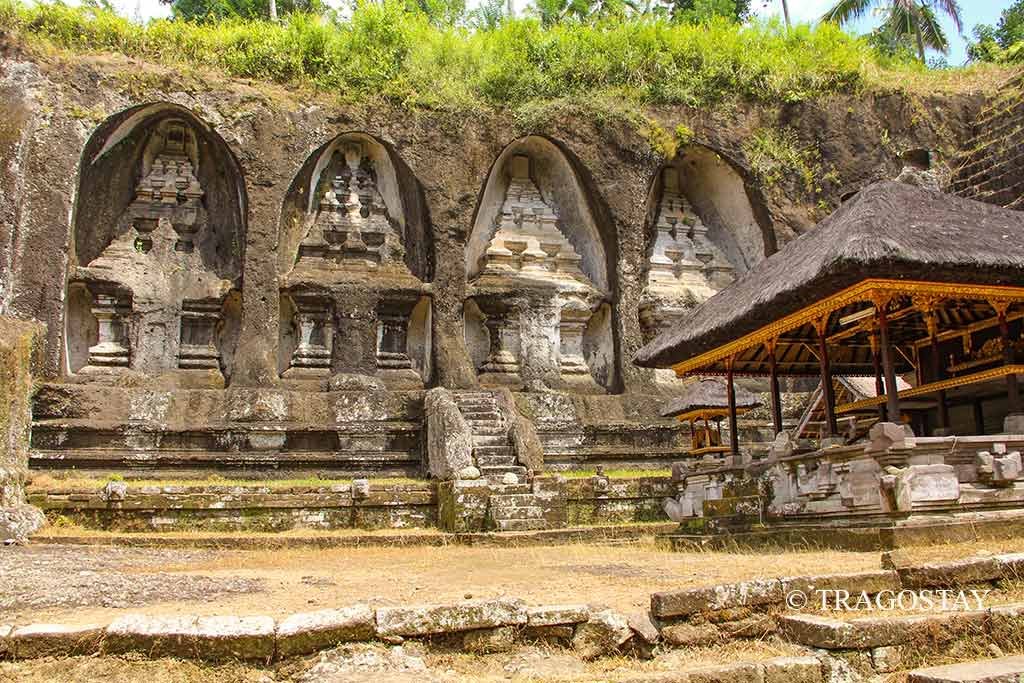
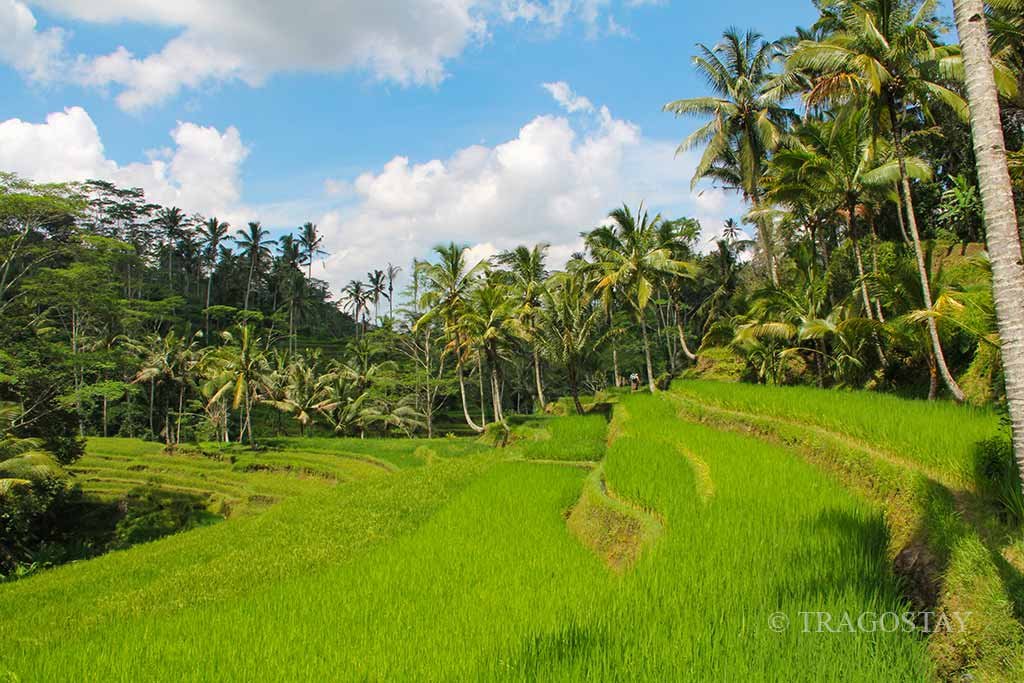
The iconic Gunung Kawi Temple complex, a must-see among popular Bali tourist attractions.

Visitors Need To Know

Highlight:

  • Ancient 11th-Century Royal Cliff Shrines
  • Massive Seven-Meter Hand-Carved Stone Monuments
  • Historic Warmadewa Dynasty Memorial Site
  • Lush Valley and Rice Terrace Views
  • Secluded Rock-Cut Ancient Meditation Caves
  • Sacred River Flowing Through the Complex

The architecture of Gunung Kawi is a testament to the advanced engineering skills of the ancient Balinese people.

The Royal Candi

The main features of the site are the ten candi (shrines) that stand seven meters high within sheltered niches. These shrines are carved into the solid rock with incredible precision and also artistic detail. There are five shrines on the east bank of the river and also four on the west bank. Furthermore, a tenth shrine is located further south, hidden away in a more secluded area of the valley.

The Hermitage Cells

Adjacent to the main shrines, you will find several small caves carved into the rock walls. These cells were used by monks and also pilgrims for meditation and also silent prayer centuries ago. They feature small doorways and also stone beds where the holy men would reside during their spiritual retreats. Therefore, the site functioned as both a royal memorial and also a living monastery.

The Holy Pakerisan River

The temple complex is divided by the sacred Pakerisan River, which flows through the center of the valley. A stone bridge connects the two sides of the complex, symbolizing the connection between the physical and also spiritual worlds. The water from this river is considered holy and also plays a major role in local religious ceremonies.

Archaeological and Architectural Forms

Functions and Spiritual Significance

  • Royal Memorial Site: The shrines serve as lasting tributes to the rulers of the 11th-century Balinese kingdom.
  • Meditation Sanctuary: The rock-cut caves provide a quiet space for deep spiritual reflection and also connection with nature.
  • Pilgrimage Destination: Balinese Hindus visit the site to pay their respects to their ancestors and also perform holy rituals.
  • Archaeological Museum: The site acts as a living archive of ancient Balinese art and also architectural evolution.

What to Do at Gunung Kawi Temple

  • Descend the Stone Stairs: Walk down the 300+ steps while enjoying the panoramic views of the cascading rice paddies.
  • Explore the Meditation Caves: Step inside the ancient stone cells to experience the cool and also quiet atmosphere.
  • Cross the Stone Bridge: Walk over the Pakerisan River to explore both the eastern and also western shrine groups.
  • Photography: Capture the scale of the towering cliff carvings against the backdrop of the vibrant green jungle.
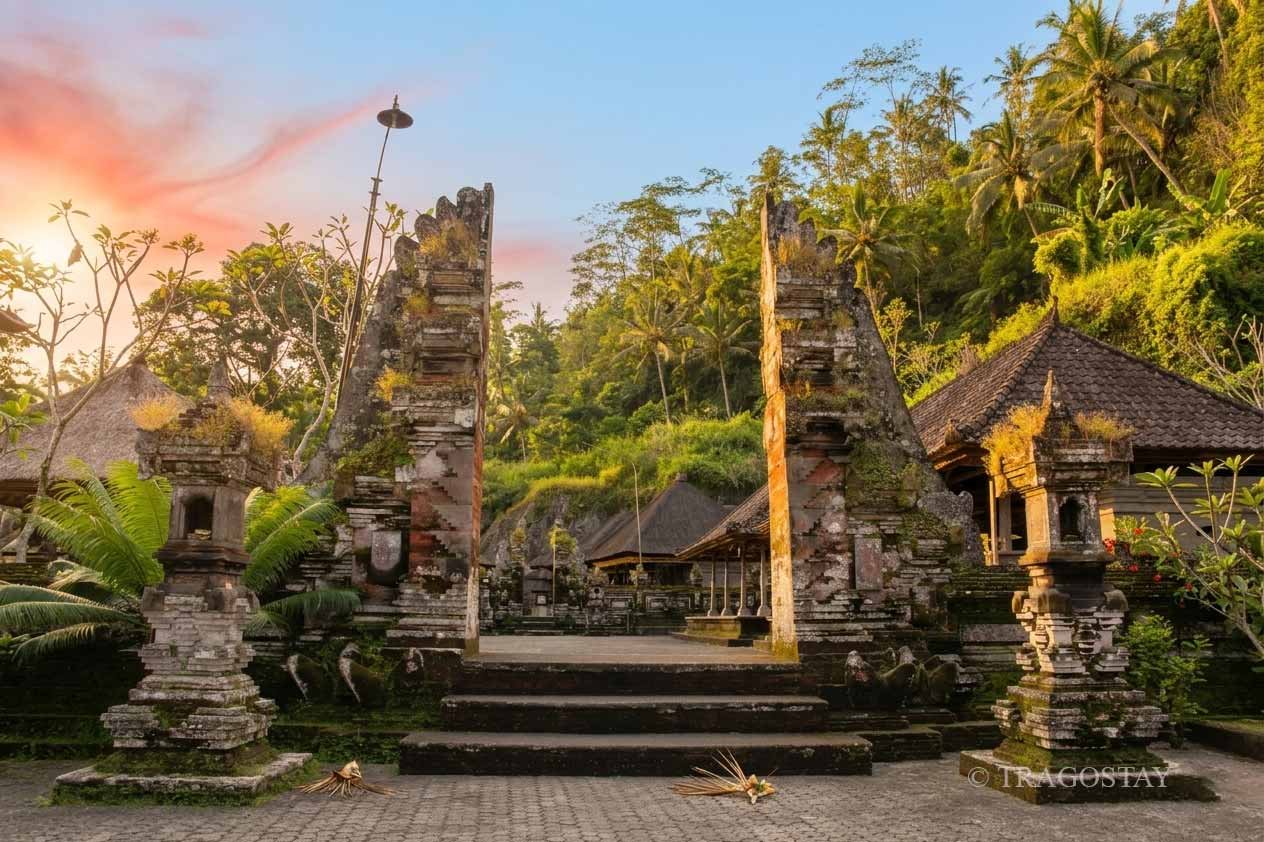
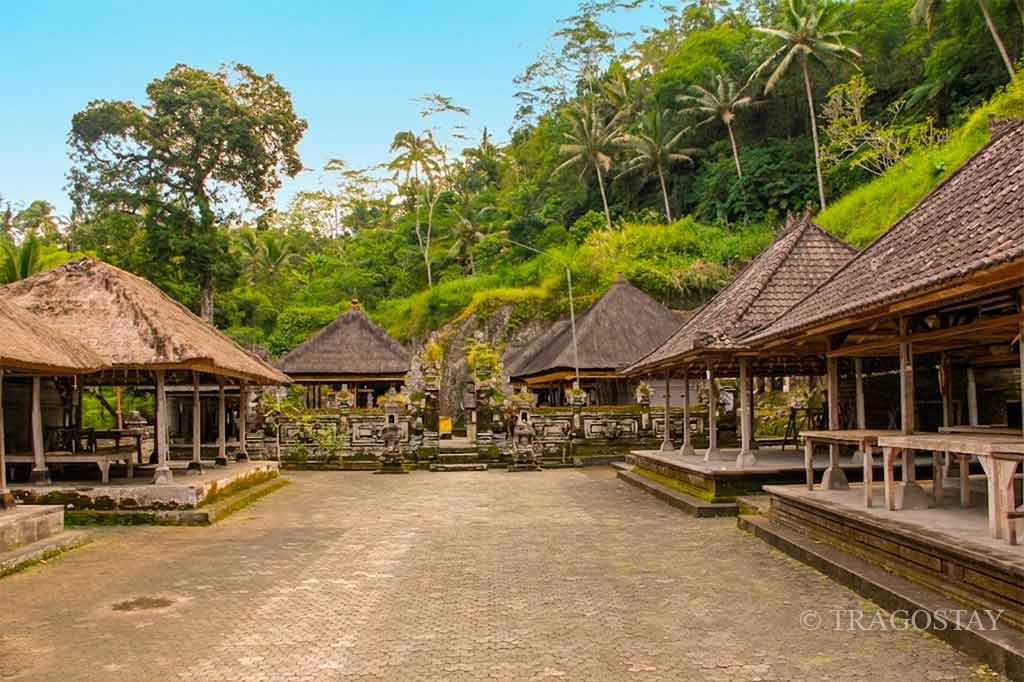
  • Visit the Pura Gunung Kawi: Enter the modern temple area located within the complex to see active Balinese worship.

Best Time to Visit and Travel Logistics

The best time to visit Gunung Kawi Temple is early in the morning around 8:00 AM. This allows you to complete the steep climb back up the stairs before the midday sun becomes too hot. The site is located about 30 minutes north of Ubud and also very close to the Tirta Empul Temple.

Nearby Bali Tourist Attractions to Visit

  • Tirta Empul Temple: A famous holy water temple where you can witness sacred purification rituals.
  • Tegalalang Rice Terrace: Iconic emerald-green steps and also world-famous Bali swings located just a short drive away.
  • Ubud Art Market: The perfect place to shop for handmade crafts after your historical tour of Tampaksiring.
  • Goa Gajah (Elephant Cave): Another ancient archaeological site featuring unique cave carvings and also sacred pools.
  • Kanto Lampo Waterfall: A stunning tiered waterfall that is easily reachable within a 25-minute drive south.
  • Gunung Kawi Sebatu: Enter the modern temple area located within the complex to see active Balinese worship.

Frequently Asked Questions (FAQ) about Gunung Kawi Temple

How much is the admission for Gunung Kawi Temple?

Entrance fees may change periodically so please check the current rates at the ticket booth before you enter. The price usually includes the rental of a sarong which is required for all visitors entering the sacred site.
There are over 300 stone steps leading down into the valley which can be quite steep and also tiring. You should wear comfortable walking shoes and also bring plenty of water for the challenging climb back to the top.
Yes you must wear a sarong and also a waist sash to respect the holiness of the temple grounds. These items are available at the entrance gate and also must be worn by both men and also women.
Most visitors spend about one to two hours exploring the shrines and also the surrounding river valley area. This provides enough time to take photos and also walk through the various meditation caves at a relaxed pace.
Basic restrooms are available near the entrance and also a few small cafes are located along the stairs. You can buy cold drinks and also local snacks to keep your energy up during the long walk back.
You can visit but the stone steps can become very slippery and also muddy when they are wet. Please be extra careful and also watch your step if you decide to visit during the rainy months of Bali.
Search

April 2026

  • M
  • T
  • W
  • T
  • F
  • S
  • S
  • 1
  • 2
  • 3
  • 4
  • 5
  • 6
  • 7
  • 8
  • 9
  • 10
  • 11
  • 12
  • 13
  • 14
  • 15
  • 16
  • 17
  • 18
  • 19
  • 20
  • 21
  • 22
  • 23
  • 24
  • 25
  • 26
  • 27
  • 28
  • 29
  • 30

May 2026

  • M
  • T
  • W
  • T
  • F
  • S
  • S
  • 1
  • 2
  • 3
  • 4
  • 5
  • 6
  • 7
  • 8
  • 9
  • 10
  • 11
  • 12
  • 13
  • 14
  • 15
  • 16
  • 17
  • 18
  • 19
  • 20
  • 21
  • 22
  • 23
  • 24
  • 25
  • 26
  • 27
  • 28
  • 29
  • 30
  • 31
0 Adults
0 Children
Pets
Size
Price
Amenities
Facilities

Compare listings

Compare

Compare experiences

Compare

Compare listings

Compare

Compare experiences

Compare
Search

April 2026

  • M
  • T
  • W
  • T
  • F
  • S
  • S
  • 1
  • 2
  • 3
  • 4
  • 5
  • 6
  • 7
  • 8
  • 9
  • 10
  • 11
  • 12
  • 13
  • 14
  • 15
  • 16
  • 17
  • 18
  • 19
  • 20
  • 21
  • 22
  • 23
  • 24
  • 25
  • 26
  • 27
  • 28
  • 29
  • 30

May 2026

  • M
  • T
  • W
  • T
  • F
  • S
  • S
  • 1
  • 2
  • 3
  • 4
  • 5
  • 6
  • 7
  • 8
  • 9
  • 10
  • 11
  • 12
  • 13
  • 14
  • 15
  • 16
  • 17
  • 18
  • 19
  • 20
  • 21
  • 22
  • 23
  • 24
  • 25
  • 26
  • 27
  • 28
  • 29
  • 30
  • 31
0 Adults
0 Children
Pets
Size
Price
Amenities
Facilities