

Ex-Buleleng Harbour, popularly known as Pelabuhan Tua Singaraja, stands as a silent witness to the island’s bustling maritime past. You will find this heritage site located at the northern edge of the city where the Java Sea meets the historic coastline. Many international travelers visit this area to explore one of the most evocative Historical Places in Bali because of its colonial-era buildings and old jetties. Consequently, it offers a unique atmosphere that contrasts sharply with the modern tourist hubs found in the southern regions. Tragostay provides all the essential details so that your walk through this ancient port becomes a meaningful journey back in time.
Exploring the various corners of Ex-Buleleng Harbour allows you to appreciate the architectural fusion of Dutch, Chinese, and Balinese influences. Unlike the crowded beaches of the south, the atmosphere here is nostalgic and filled with the scent of the salty sea breeze. Therefore, you will feel a deep sense of history while walking past the Yudha Mandala Tama Monument and the old warehouse structures. This area serves as a primary landmark for those who wish to discover the authentic roots of Historical Places in Bali.
Furthermore, the local government has beautifully restored the waterfront to serve as a vibrant public space for both locals and tourists. You will find that the sunset views from the long wooden pier are among the most spectacular on the entire northern coast. This destination truly captures the resilient and multicultural spirit of the Buleleng regency.
During the mid-19th century, this harbor served as the primary entry point for the Dutch colonial forces and administrative officials. You will find that the port was the busiest in Bali until the development of Benoa Harbour in the south took over. Specifically, the history of this site is rooted in the international trade of spices, coffee, and textiles between Bali and the world. Furthermore, this strategic importance makes it one of the most prominent Historical Places in Bali for understanding the island’s colonial era.
The harbor is not just about trade but also serves as a monument to the Balinese struggle for independence. You can see the Yudha Mandala Tama Monument which commemorates a local hero who fought against foreign naval intervention. Specifically, the site represents the courage of the Singaraja people in defending their territory during the turbulent years of the revolution. Consequently, it remains a respected location among Historical Places in Bali for its deep patriotic and historical value.
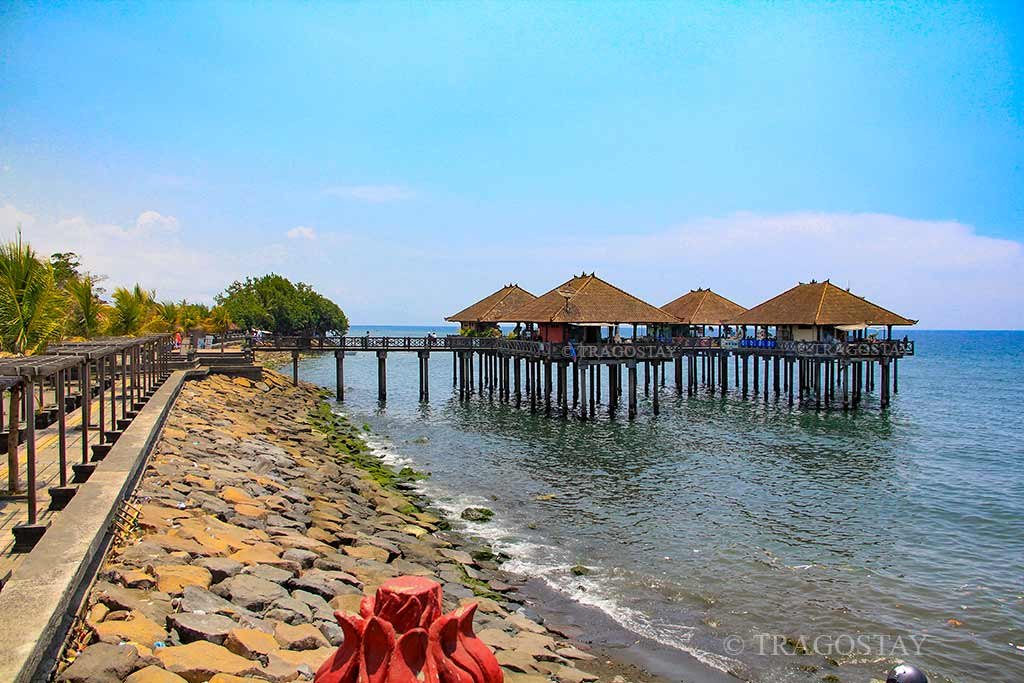
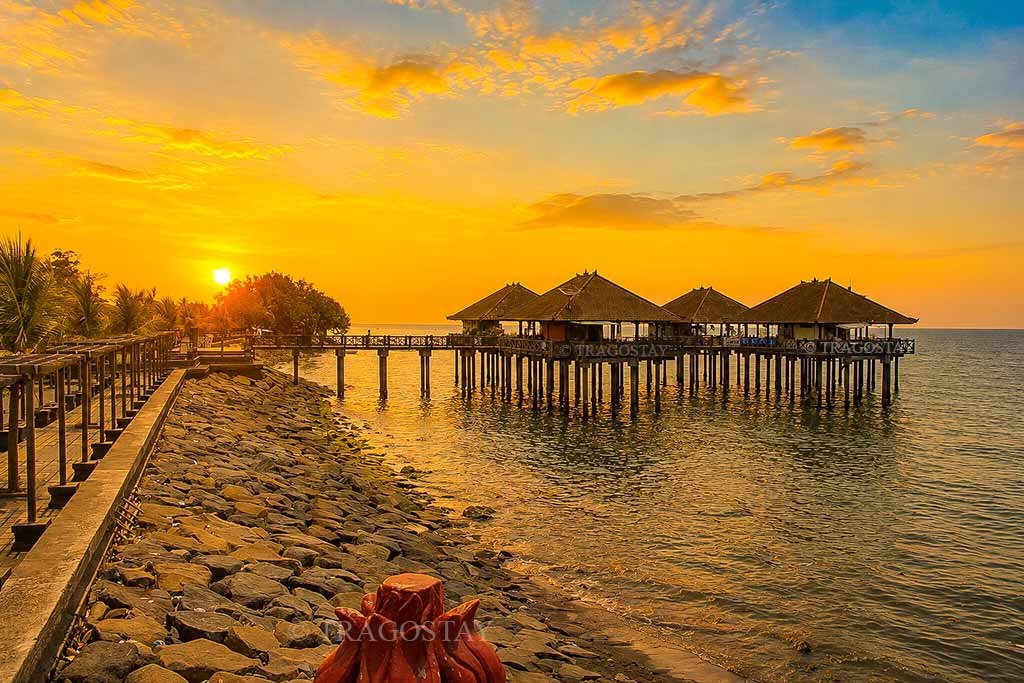
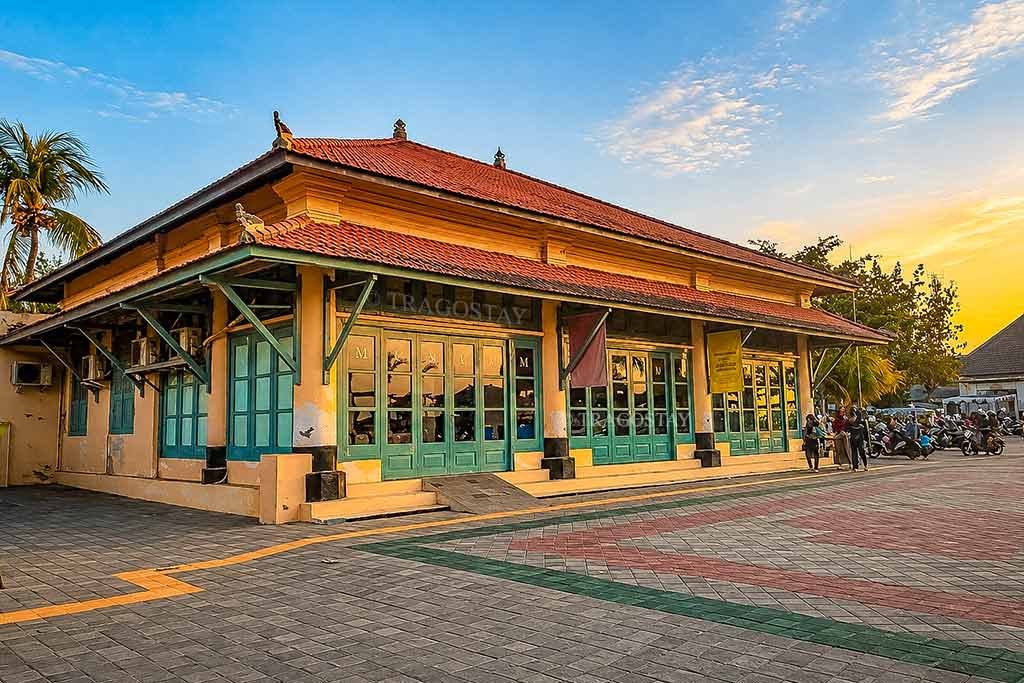
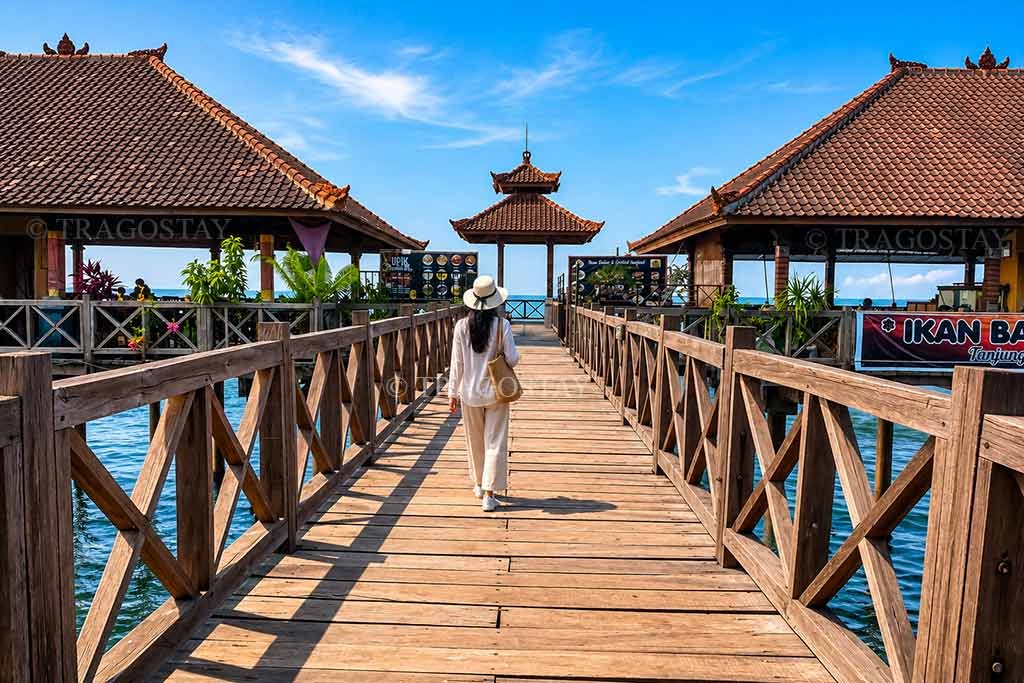
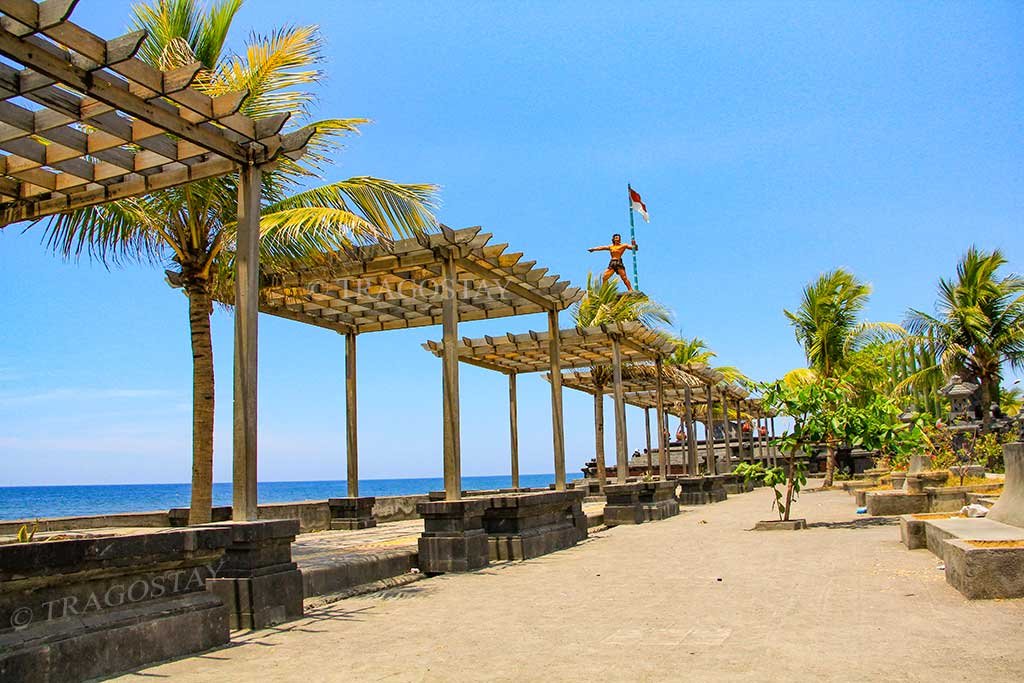
The primary function of the harbor today has transitioned from a commercial port to a popular recreational destination for families. You will find numerous seafood restaurants and cafes built on stilts over the water providing a unique dining experience. Specifically, the area acts as a social center where locals gather to enjoy the cool evening air and the ocean views. Furthermore, this revitalization project has successfully preserved the site’s status among the top Historical Places in Bali.
Beyond leisure, the old harbor frequently serves as the main stage for city-wide cultural festivals and maritime-themed celebrations. You can witness traditional boat races and art performances that take place near the historic pier during special anniversary events. Specifically, these activities play a vital role in keeping the maritime traditions of the northern Balinese people alive for the younger generation. Furthermore, participating in these public gatherings is a great way to experience the living heritage of Historical Places in Bali.
The site features well-preserved Dutch-style buildings that once served as storage facilities for international trade goods. Specifically, the architectural details provide a rare visual record of the 19th-century port design in the Dutch East Indies. This makes it a unique photography subject among all Historical Places in Bali.
You can dine in restaurants that are built directly over the water using the foundations of the original colonial docks. Specifically, eating fresh seafood while watching the waves under your feet is an experience you won’t find at other heritage sites. This blend of history and culinary delight is a signature of these Historical Places in Bali.
The harbor faces north, offering an unobstructed view of the horizon as the sun sets over the calm Java Sea. Specifically, the combination of the historic monument’s silhouette and the orange sky creates a very dramatic and emotional atmosphere. It is widely considered the most romantic spot among the Historical Places in Bali.
This towering monument is the most recognizable landmark at the harbor and depicts a freedom fighter pointing towards the sea. You will notice that the statue stands on a high pedestal and is surrounded by a beautifully landscaped public park area. Specifically, the design is meant to inspire pride and remind visitors of the historic naval battles that occurred offshore. Furthermore, the monument provides a grand focal point for anyone exploring this significant section of Historical Places in Bali.
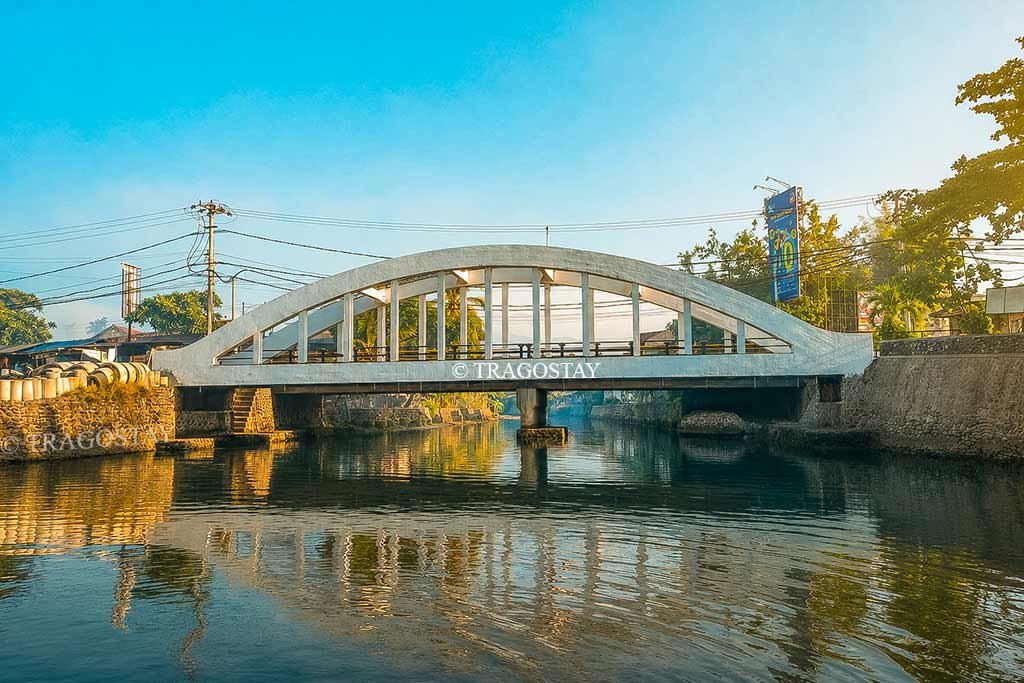
A small historic bridge connects the different sections of the harbor, spanning over a canal that leads into the city. You should look at the brickwork and the iron structures that reflect the engineering styles of the early 20th century. Specifically, these waterways were once used to transport smaller goods from the large ships directly to the city’s commercial heart. Furthermore, walking across this bridge offers a perfect perspective for viewing the surrounding Historical Places in Bali from a height.
Located just a short walk from the main pier, this colorful Chinese temple is an integral part of the harbor’s multicultural history. You will find intricate carvings of dragons and vibrant murals that tell the story of the Chinese merchant community in Singaraja. Specifically, the temple’s presence highlights the diverse ethnic harmony that has existed at the port for over a century. Furthermore, this spiritual site adds a beautiful layer of cultural richness to the collection of Historical Places in Bali.
The best time to arrive at the old harbor is in the late afternoon around 5:00 PM when the heat begins to fade. You will find that the golden hour provides the most beautiful light for photographing the colonial buildings and the monument. Specifically, staying until dinner time allows you to enjoy the vibrant atmosphere of the waterfront as the evening lights turn on. Furthermore, arriving during the weekdays ensures a much more peaceful experience at these Historical Places in Bali.
While the harbor is a public recreational area, it is important to remember its historical and commemorative significance to the locals. You should avoid climbing on the monuments or leaving any trash behind in the public park or the water. Specifically, being mindful of your surroundings helps preserve the nostalgic and respectful atmosphere that defines this historic location. Furthermore, following these simple guidelines ensures that Historical Places in Bali remain beautiful for future generations of travelers.
You can find more detailed guides on other Bali Tourist Attractions through our main category page.
There is no official entrance fee to enter the public harbor area, although you might need to pay a small parking fee. Most visitors spend their money at the local seafood restaurants or cafes that are located along the historic pier.
Most commercial shipping activities were moved to Celukan Bawang Harbour in the west because the old port was too shallow for modern ships. Today, the area has been successfully repurposed into a heritage and culinary destination for the people of North Bali.
Some of the old warehouse buildings have been converted into offices or storage, so they are not always open for internal tours. However, you can freely admire and photograph the external colonial facades from the public walkways and the park.
The prices at the floating restaurants are generally very reasonable and much cheaper compared to the tourist areas in South Bali. You can choose your own fresh fish by weight and have it grilled with traditional Balinese spices for an authentic taste.
The old harbor is located in the heart of Singaraja, which is about a fifteen to twenty-minute drive east from the Lovina beach area. The road is very easy to navigate as it follows the main coastal highway that runs through the city center.
While some cafes open early, the majority of the seafood restaurants on the pier start their main service in the late afternoon. The best experience is definitely during the evening when the sea breeze is cool and the pier is beautifully lit up.
Log in
Don't have an account? Register
Please enter your username or email address. You will receive a link to create a new password via email.
Register with your email
Do you already have an account? Log In
Log in
Don't have an account? Register
Please enter your username or email address. You will receive a link to create a new password via email.
Register with your email
Do you already have an account? Log In