

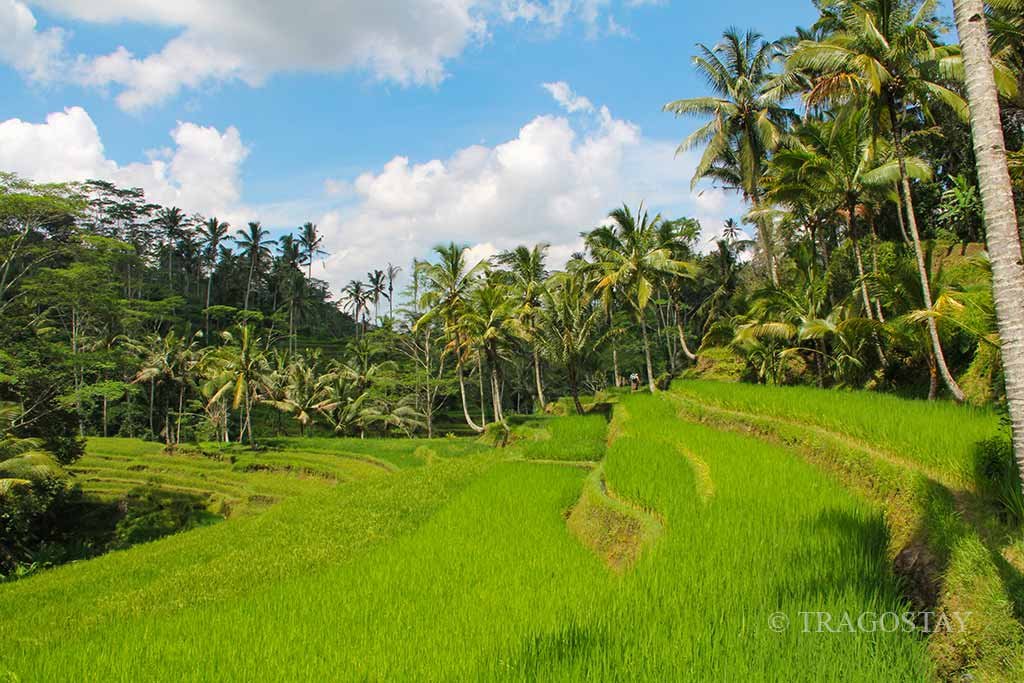
Gunung Kawi Temple is one of Bali’s most unique and also impressive archaeological sites, located in the Tampaksiring region. This ancient complex features ten massive shrines carved directly into the face of a sheer rock cliff. This site is widely recognized as one of the most essential Bali tourist attractions for history buffs and also spiritual seekers. The temple is set within a deep river valley surrounded by lush green rice terraces and also tropical jungles.
Furthermore, it offers a glimpse into the island’s royal past and also its incredible stone-carving traditions. Therefore, it is a “must-visit” destination for anyone exploring the cultural heart of Bali. You will be awed by the grandeur of Gunung Kawi Temple.
The name Gunung Kawi translates to “Mountain of the Poet” or also “Mountain of the Sculptor” in Old Javanese. It is believed that the complex was constructed during the 11th century during the reign of King Anak Wungsu. The shrines are thought to be memorial monuments dedicated to the King and also his favorite queens. Consequently, the site serves as a royal tomb complex, although no human remains were ever found inside. This makes Gunung Kawi a vital piece of the Warmadewa Dynasty’s historical legacy on the island.
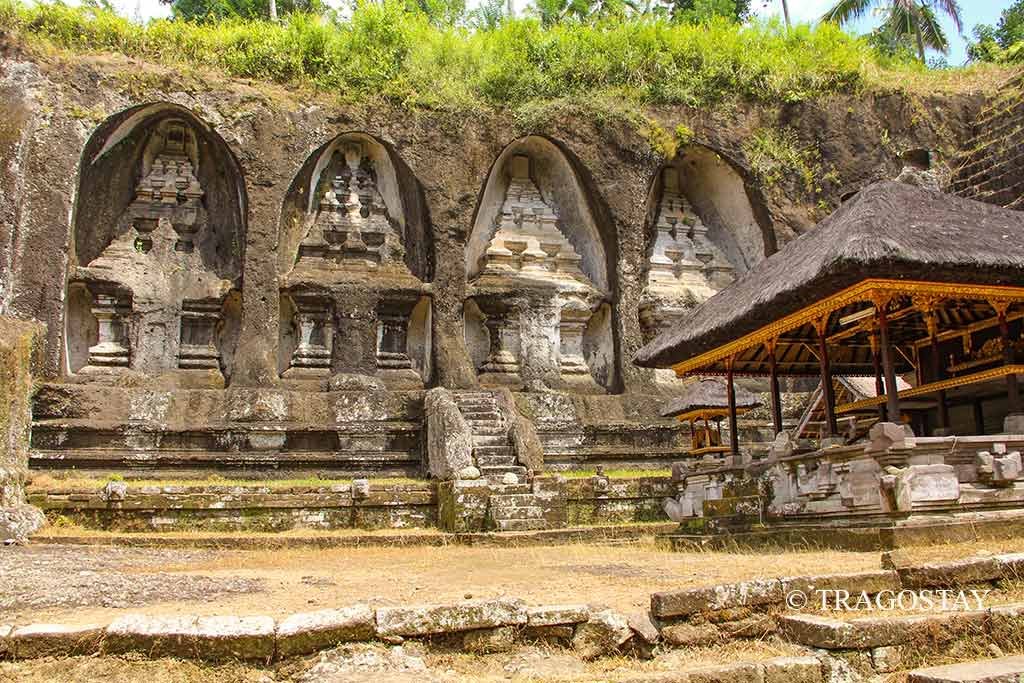
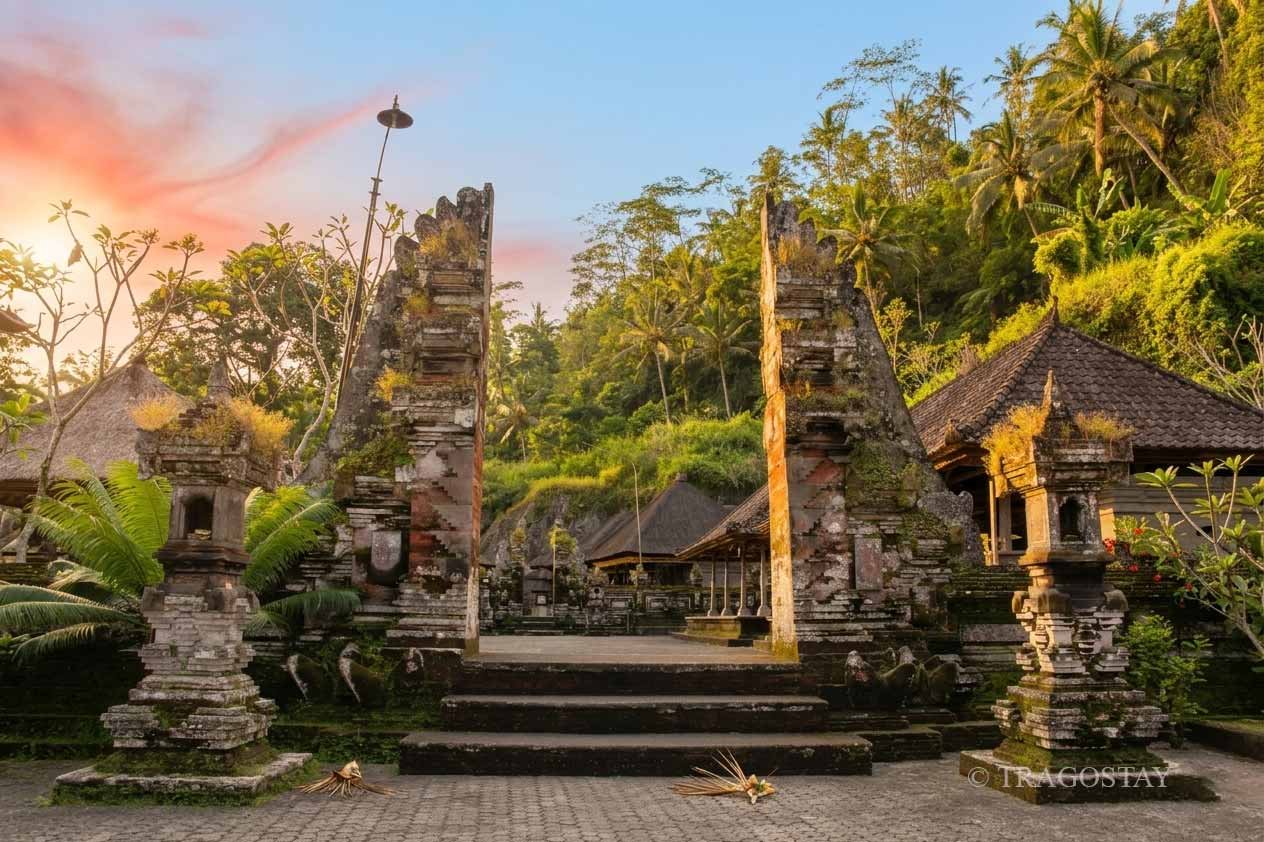
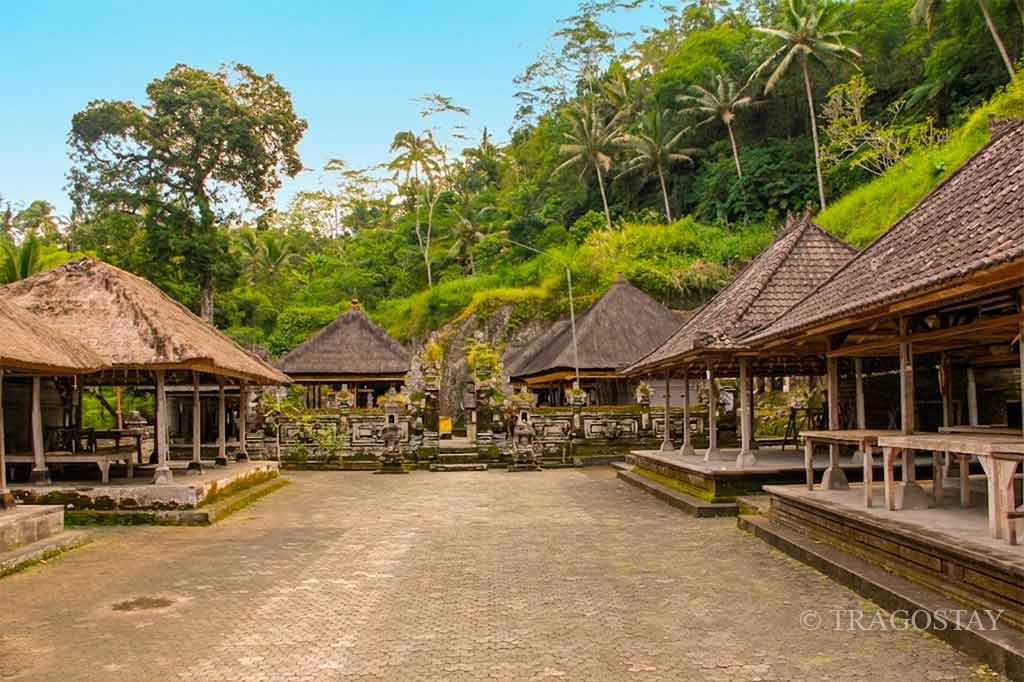
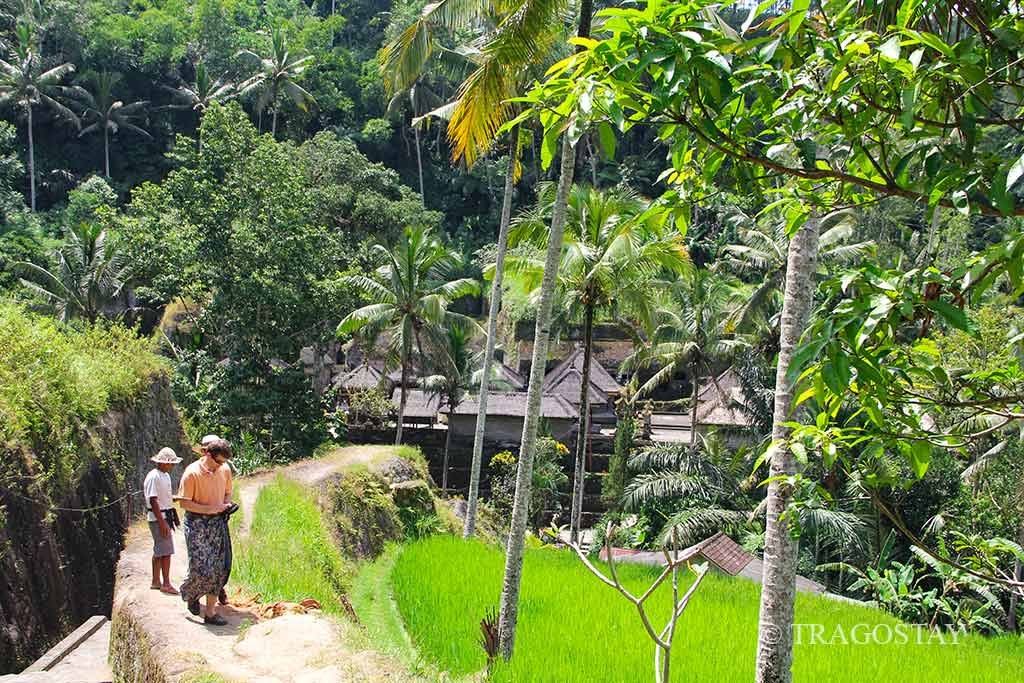
The architecture of Gunung Kawi is a testament to the advanced engineering skills of the ancient Balinese people.
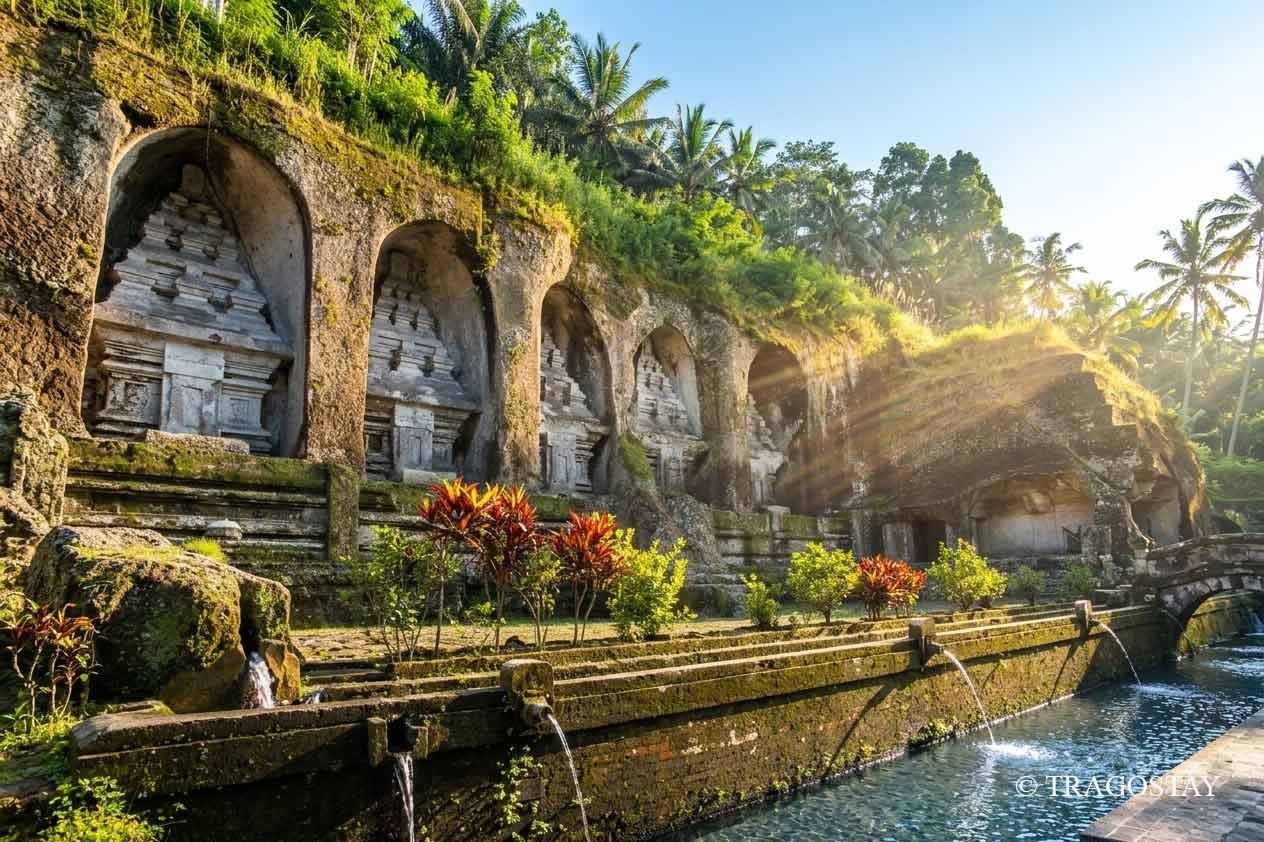
The main features of the site are the ten candi (shrines) that stand seven meters high within sheltered niches. These shrines are carved into the solid rock with incredible precision and also artistic detail. There are five shrines on the east bank of the river and also four on the west bank. Furthermore, a tenth shrine is located further south, hidden away in a more secluded area of the valley.
Adjacent to the main shrines, you will find several small caves carved into the rock walls. These cells were used by monks and also pilgrims for meditation and also silent prayer centuries ago. They feature small doorways and also stone beds where the holy men would reside during their spiritual retreats. Therefore, the site functioned as both a royal memorial and also a living monastery.
The temple complex is divided by the sacred Pakerisan River, which flows through the center of the valley. A stone bridge connects the two sides of the complex, symbolizing the connection between the physical and also spiritual worlds. The water from this river is considered holy and also plays a major role in local religious ceremonies.
Log in
Don't have an account? Register
Please enter your username or email address. You will receive a link to create a new password via email.
Register with your email
Do you already have an account? Log In
Log in
Don't have an account? Register
Please enter your username or email address. You will receive a link to create a new password via email.
Register with your email
Do you already have an account? Log In