
Subak Sembung Eco-Tourism

A Hidden Green Oasis in Denpasar

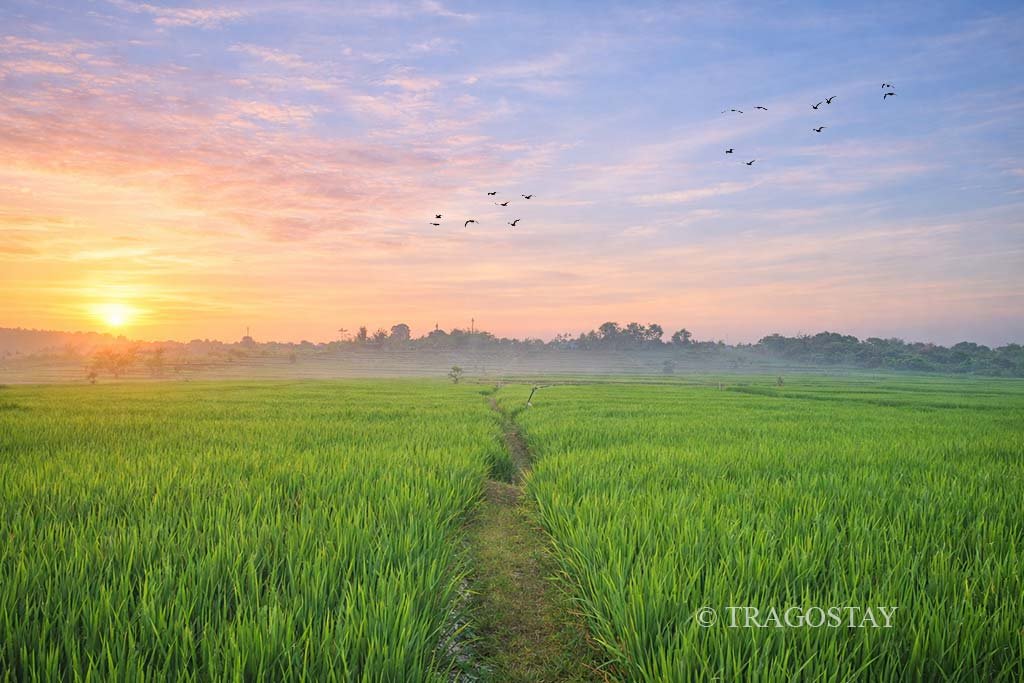
Subak Sembung Eco-Tourism is a breathtaking stretch of protected rice fields that serves as the “green lung” of northern Denpasar. While most travelers head to Ubud for rice terraces. But, this site offers a much quieter and also more authentic glimpse into Balinese agricultural life right within the city limits. This site is widely recognized as one of the most essential Bali tourist attractions for eco-conscious travelers who want to escape the urban noise without traveling far. The area covers over 100 hectares of productive land, where local farmers continue to practice ancient sustainable farming techniques.

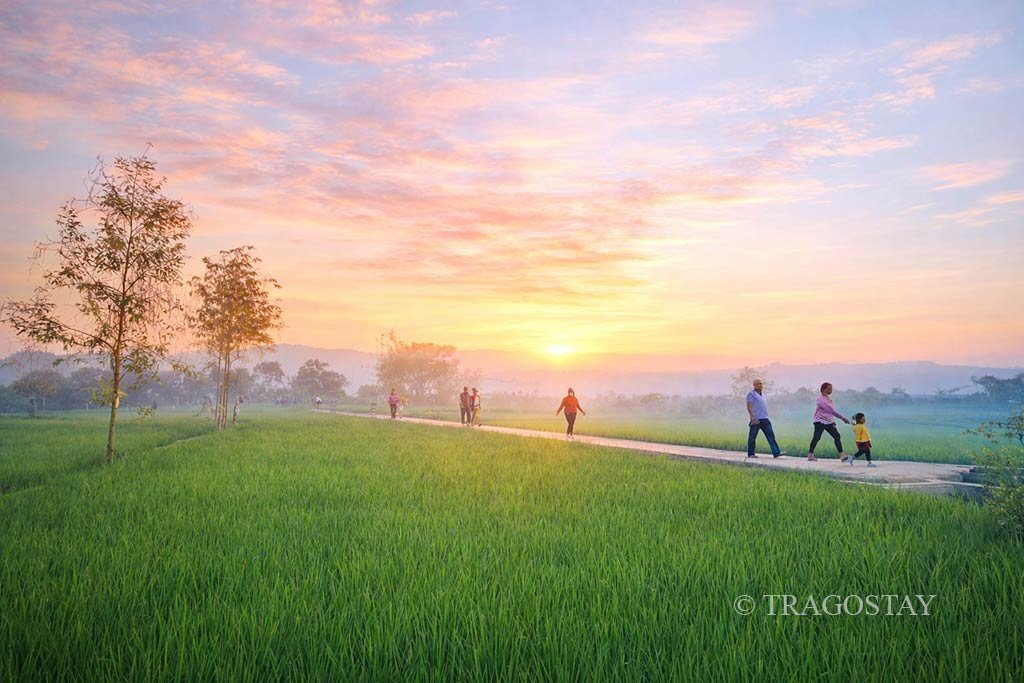
Furthermore, the 2-kilometer concrete path winding through the fields is perfect for a morning jog or also a peaceful afternoon stroll. Therefore, it is a “must-visit” for anyone seeking tranquility and also fresh air. You will find a refreshing side of the city at Subak Sembung Eco-Tourism.

The Vital Functions of Subak Sembung

This eco-tourism area is not just a scenic spot; it plays several critical roles for the environment and also the local community.

  • Environmental Conservation: It serves as a vital water catchment area and also helps regulate the temperature of the surrounding urban districts.
  • Food Security: The area remains a productive agricultural zone, providing fresh rice and also organic vegetables for the Denpasar market.
  • Educational Hub: It is a living laboratory where students can learn about the Subak system, which is recognized by UNESCO as a cultural heritage.
  • Community Recreation: It provides a safe, car-free space for locals and also tourists to exercise and enjoy nature.
  • Sustainable Tourism Model: By visiting, tourists provide extra income to the farmers through small entrance fees and also the purchase of local products.
  • Preservation of Heritage: It protects the traditional Balinese landscape from being converted into housing or also commercial buildings.

Therefore, Subak Sembung Eco-Tourism is a symbol of balance between modern development and also traditional preservation.
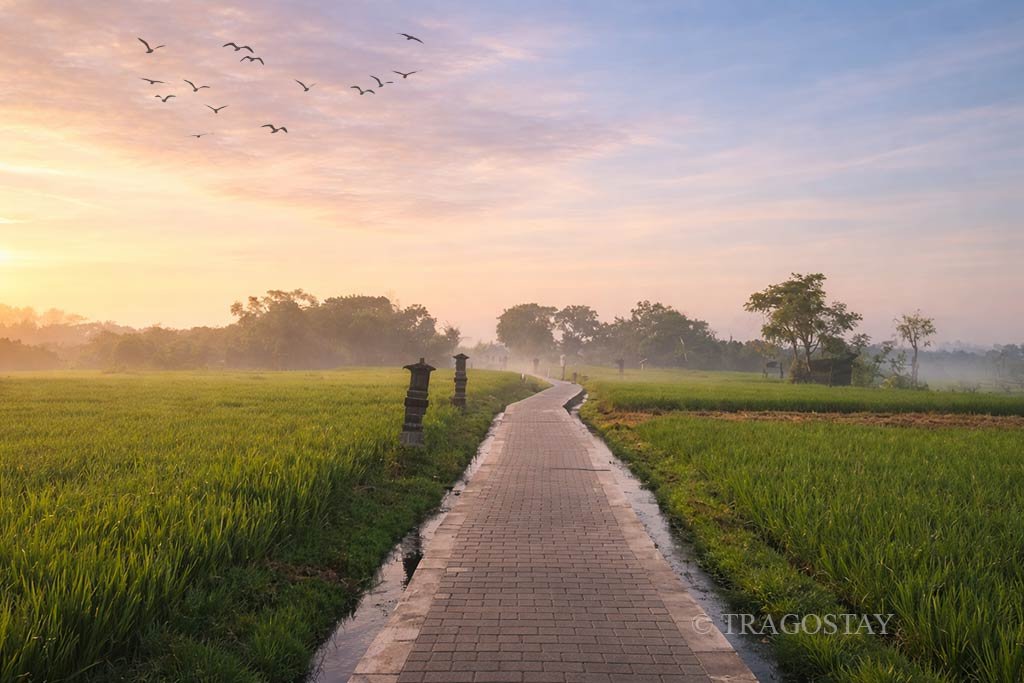
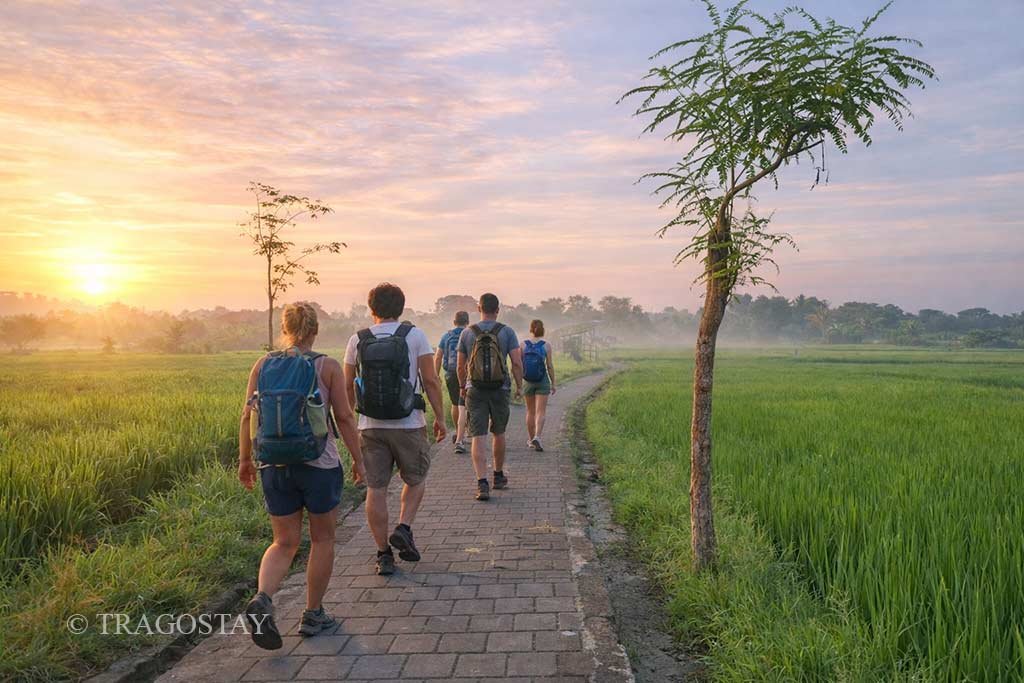
Subak Sembung Eco-Tourism jogging track passing through the lush rice fields.

Visitors Need To Know

Highlight:

  • Urban Rice Field Trekking Experience
  • Preservation Subak System
  • Car-Free Environment with Fresh Air
  • Educational Insight into Traditional Farming
  • Peaceful Alternative to Crowded Tourist Hubs
  • Supports Local Farmers and Green Belt Conservation

The establishment of this eco-tourism site was born out of a necessity to protect Denpasar’s shrinking green spaces.

The Fight Against Urbanization

In the early 2010s, the rapid development of Denpasar threatened to swallow the remaining rice fields in Peguyangan. The local community, together with the government, recognized that losing these fields would lead to flooding and also a loss of culture. Consequently, in 2014, the area was officially designated as an eco-tourism zone. This status ensures that the land cannot be built upon. Moreover, it empowers the local farmers to manage the area as a tourist destination. Therefore, the Subak Sembung Eco-Tourism area is a victory for community-led conservation.

Philosophy of the Subak System

At the heart of this site is the Subak philosophy of Tri Hita Karana, which emphasizes harmony between humans, nature, and also God. The complex system of canals and also weirs seen here has been managed collectively by Balinese farmers for over a thousand years. This democratic water-sharing system ensures that every field receives its fair share of water. Furthermore, the small shrines found at the edge of the fields are where farmers offer prayers for a successful harvest. Consequently, a walk through Subak Sembung is also a spiritual journey.

History of Subak Sembung Eco-Tourism

Public Facilities and What to Do

  • Trekking and Cycling Path: A flat, 2km concrete path that is easy for all fitness levels and also suitable for light cycling.
  • Bale Bengong (Rest Pavilions): Several traditional wooden pavilions are placed along the path for resting and also enjoying the view.
  • Local Warungs: Small stalls at the entrance selling fresh coconut water and also traditional Balinese snacks.
  • Educational Signage: Boards placed throughout the area explaining the flora, fauna, and also the irrigation process.
  • Photography Spots: Uninterrupted views of the rice fields with the mountains visible in the distance on clear days.
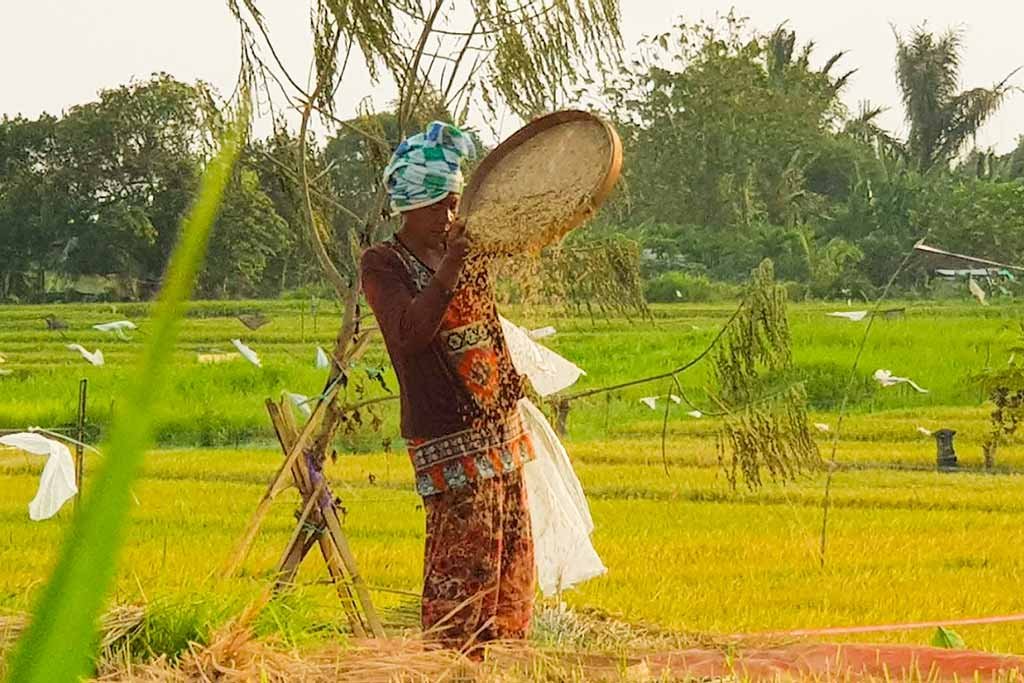
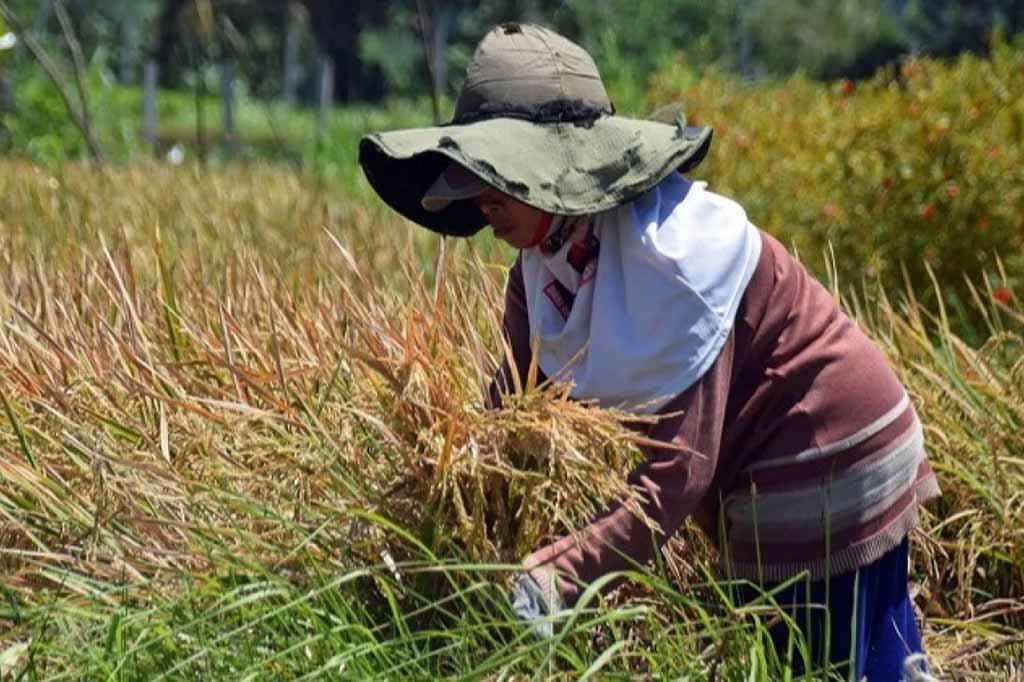
  • Urban Farming Area: Witness farmers planting, harvesting, or also tending to their cattle in their natural daily routine.

Best Time to Visit and Travel Logistics

The absolute best time to visit Subak Sembung Eco-Tourism is in the early morning (6:00 AM – 8:00 AM) to catch the sunrise over the fields and also breathe the crispest air. Alternatively, a late afternoon visit around 5:00 PM offers a beautiful golden hour.It is located in Peguyangan, North Denpasar. It is about 15 minutes from the city center and also 25 minutes from Sanur. You can reach the entrance by motorbike or also car. Furthermore, there is a small parking area near the main gate. Therefore, it is a very accessible escape for a quick nature fix.

Nearby Bali Tourist Attractions to Explore

  • Bali Art Center: A 15-minute drive to see the grand Werdhi Budaya Art Centre complex.
  • Puputan Badung Square: The historic city center located about 20 minutes to the south.
  • Badung Market: Combine your nature trip with a visit to the city’s largest traditional market.
  • Bajra Sandhi Monument: Reachable in 20 minutes for a look at Bali’s heroic history.
  • Serangan Island: A 30-minute drive south for turtle conservation and also coastal views.

Frequently Asked Questions (FAQ) About Subak Sembung Eco-Tourism

Is there an entrance fee for Subak Sembung?

While there is no fixed commercial ticket price, visitors are usually asked to give a small voluntary donation to the local community post. These funds are essential for the ongoing maintenance of the concrete paths and also to support the local farmers who preserve this green belt.

Yes, you are more than welcome to bring a bicycle as the 2-kilometer path is flat. Also, it  well-paved, making it ideal for a leisurely ride through the fields. However, please remain mindful of pedestrians and also farmers who may be moving their crops or heavy equipment along the narrow trail.

It is best to wear light, breathable clothing and also comfortable walking shoes or sturdy sandals, as you will be outdoors for an extended period. Because there is very little shade along the open rice fields, bringing a hat, and sunglasses. Also, applying sunblock is highly recommended for your comfort.

Since the area consists of active wetlands and also standing water for irrigation, mosquitoes can be quite active. Moreover, during the sunrise and also sunset hours. To ensure a pleasant experience without irritation, it is a very good idea to apply an effective insect repellent before you begin your trek.

Absolutely, it is a wonderful destination for children because it is a car-free zone where they can walk freely and also safely in a natural environment. It serves as an excellent educational opportunity for them to see dragonflies, local birds, and also learn exactly how rice is grown by Balinese farmers.

The main path is approximately 2 to 3 kilometers long, and most visitors spend about 1 to 1.5 hours. They enjoy the scenery at a relaxed pace. This timeframe allows you enough room to take plenty of photographs, and rest in the pavilions. Also, chat with the friendly local farmers along the way.

Search

April 2026

  • M
  • T
  • W
  • T
  • F
  • S
  • S
  • 1
  • 2
  • 3
  • 4
  • 5
  • 6
  • 7
  • 8
  • 9
  • 10
  • 11
  • 12
  • 13
  • 14
  • 15
  • 16
  • 17
  • 18
  • 19
  • 20
  • 21
  • 22
  • 23
  • 24
  • 25
  • 26
  • 27
  • 28
  • 29
  • 30

May 2026

  • M
  • T
  • W
  • T
  • F
  • S
  • S
  • 1
  • 2
  • 3
  • 4
  • 5
  • 6
  • 7
  • 8
  • 9
  • 10
  • 11
  • 12
  • 13
  • 14
  • 15
  • 16
  • 17
  • 18
  • 19
  • 20
  • 21
  • 22
  • 23
  • 24
  • 25
  • 26
  • 27
  • 28
  • 29
  • 30
  • 31
0 Adults
0 Children
Pets
Size
Price
Amenities
Facilities

Compare listings

Compare

Compare experiences

Compare

Compare listings

Compare

Compare experiences

Compare
Search

April 2026

  • M
  • T
  • W
  • T
  • F
  • S
  • S
  • 1
  • 2
  • 3
  • 4
  • 5
  • 6
  • 7
  • 8
  • 9
  • 10
  • 11
  • 12
  • 13
  • 14
  • 15
  • 16
  • 17
  • 18
  • 19
  • 20
  • 21
  • 22
  • 23
  • 24
  • 25
  • 26
  • 27
  • 28
  • 29
  • 30

May 2026

  • M
  • T
  • W
  • T
  • F
  • S
  • S
  • 1
  • 2
  • 3
  • 4
  • 5
  • 6
  • 7
  • 8
  • 9
  • 10
  • 11
  • 12
  • 13
  • 14
  • 15
  • 16
  • 17
  • 18
  • 19
  • 20
  • 21
  • 22
  • 23
  • 24
  • 25
  • 26
  • 27
  • 28
  • 29
  • 30
  • 31
0 Adults
0 Children
Pets
Size
Price
Amenities
Facilities