

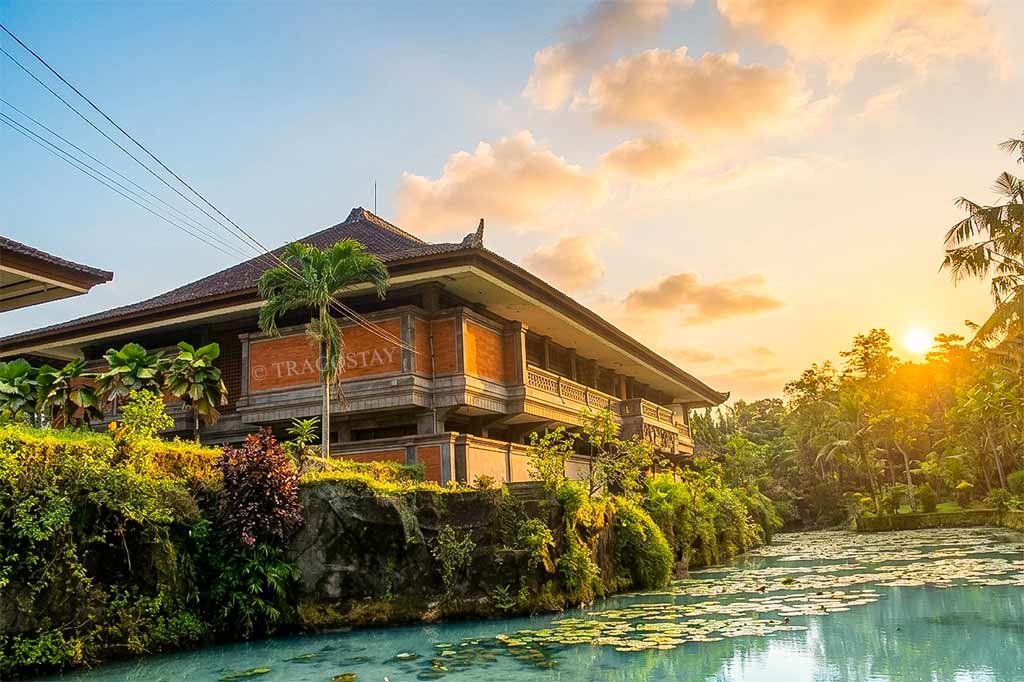
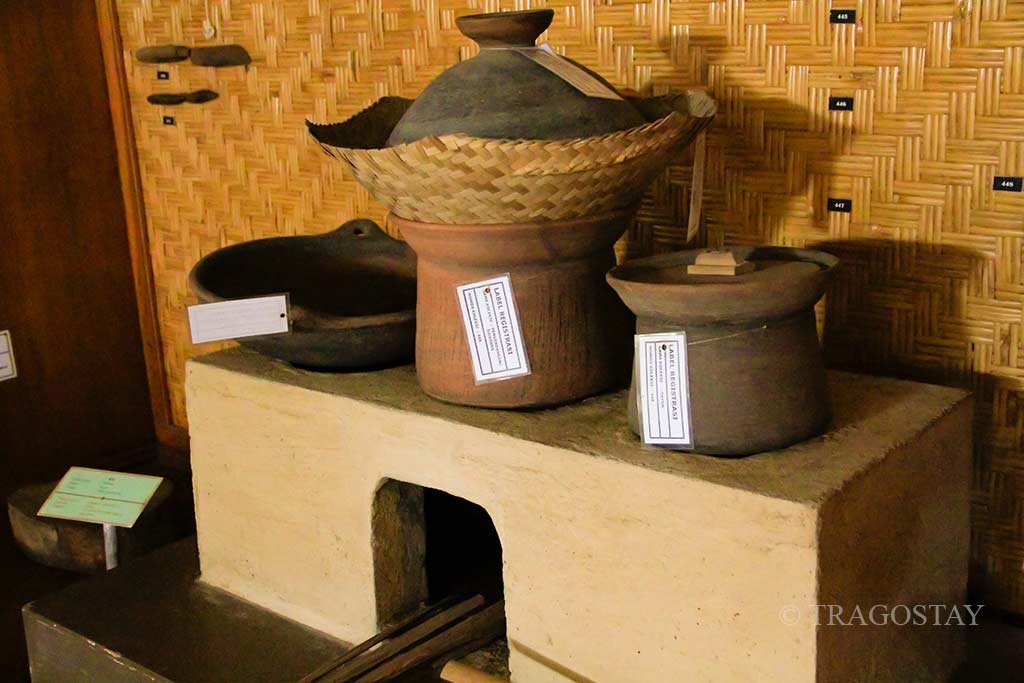
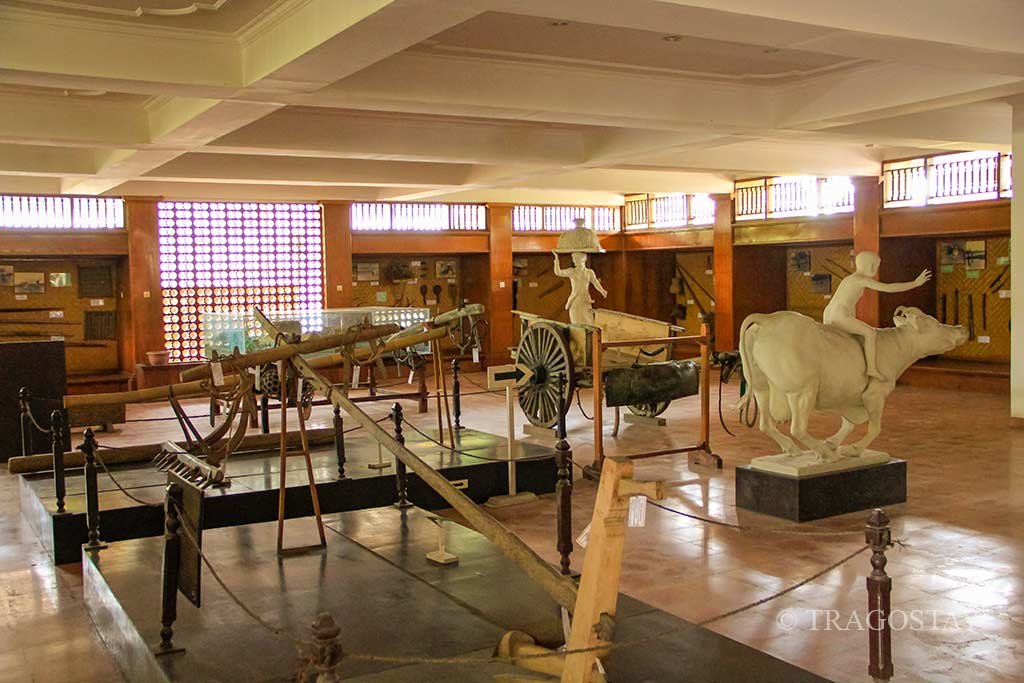
Subak Museum is a fascinating cultural site located in the Tabanan Regency. It is an essential stop on the Bali Tourist Attractions list. This museum dedicated itself to the ancient Subak irrigation system. It showcases the engineering brilliance of Balinese farmers from centuries ago. Consequently, the museum provides deep insights into the island’s agricultural success. Visitors will find a vast collection of traditional tools and miniature models. Moreover, the site explains the spiritual philosophy behind the farming cycles. While you explore the displays, you will understand why rice is sacred. Indeed, this museum represents the foundation of Balinese civilization and community.
Walking through the museum gates feels like entering a world of ancient wisdom. The quiet halls house thousands of artifacts from rural Bali. Nevertheless, the true charm lies in the stories of community cooperation. You will quickly notice how farmers managed water without modern technology. Because the system is so unique, UNESCO recognized it as World Heritage. Furthermore, the museum features a mock-up of a traditional Balinese farm. Therefore, your visit becomes an educational journey into the island’s green heart.
Exploring this cultural center offers a deep look into Bali’s survival skills. For many decades, the museum has preserved the history of rice cultivation. Although Bali has many art galleries, none focus specifically on farming like this. The facility includes indoor galleries and outdoor traditional buildings. Consequently, it has become a vital resource for students and historians.
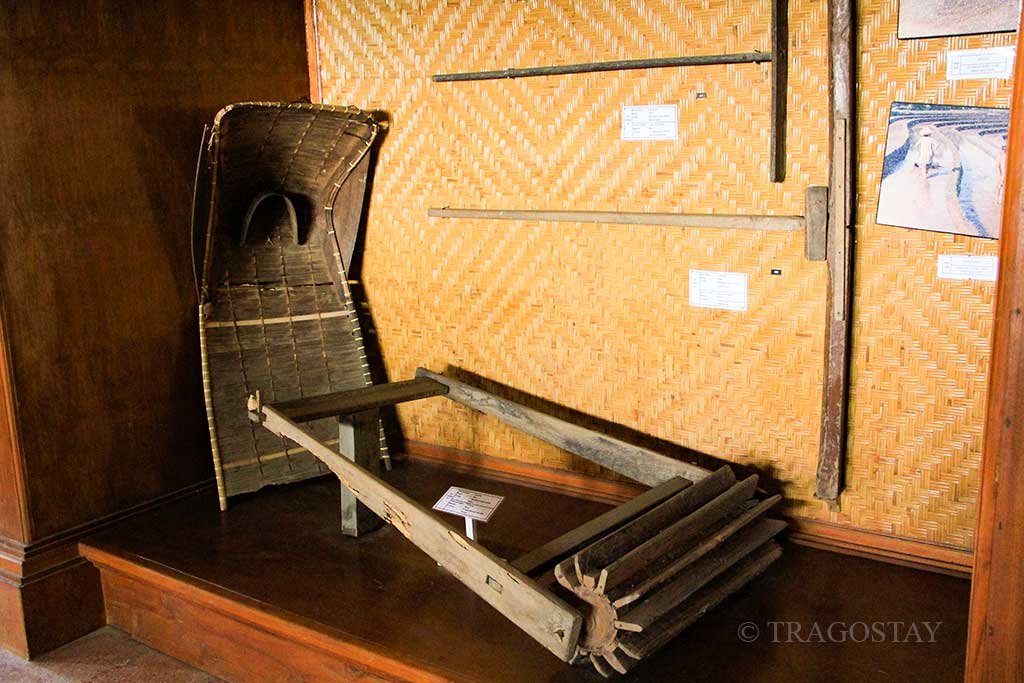
Interestingly, the museum explains the “Tri Hita Karana” philosophy in detail. Most visitors spend time looking at the ancient wooden plows and sickles. Furthermore, the exhibits show how water flows from mountains to the sea. Since the site is in Tabanan, it sits in Bali’s “Rice Bowl” region. This makes it a perfect stop before visiting the actual terraces. Additionally, the staff provides excellent information about the harvest rituals. Thus, your visit supports the preservation of this intangible cultural heritage.
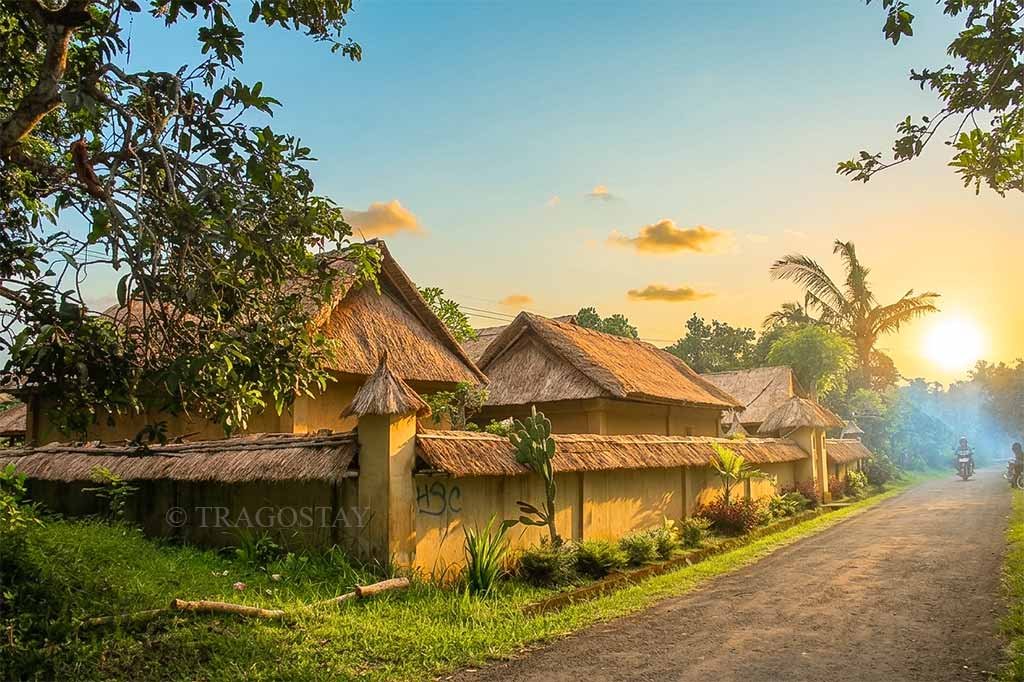
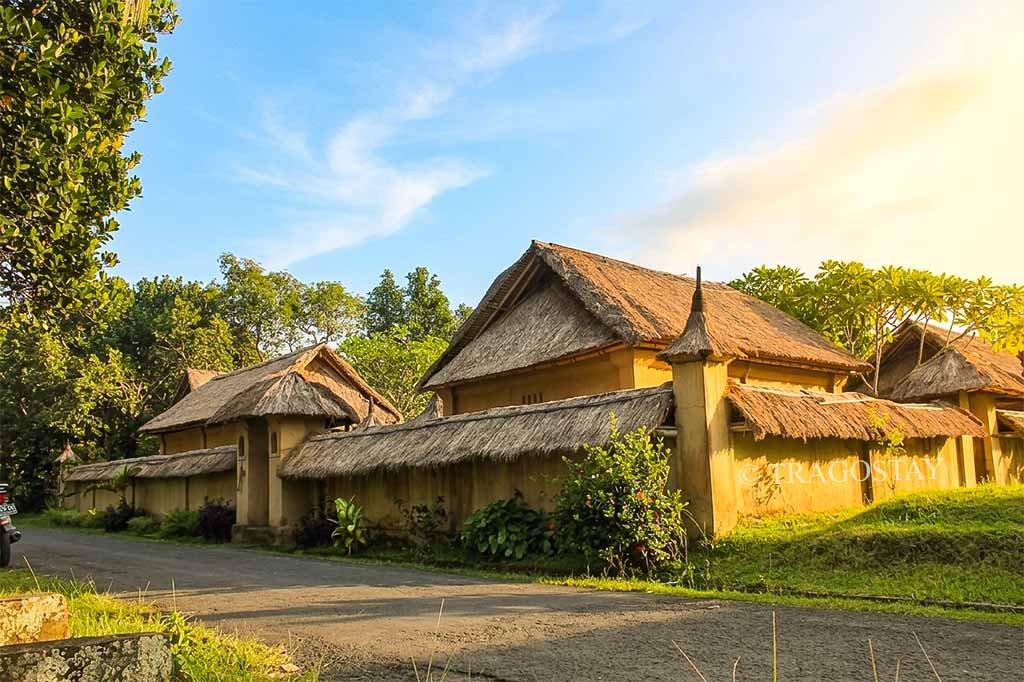
The history of the Subak Museum began with its opening in 1981. Historically, it was built to save the knowledge of traditional farming. Modern machinery was beginning to replace old tools at that time. Consequently, the government created this space to honor the farming ancestors.
During your tour, you will learn that Subak dates back to the 9th century. The system relies on democratic meetings and shared water rights. Furthermore, the museum displays the calendar used to predict the seasons. Because of this system, Bali has remained green for over a thousand years. Moreover, the rituals involve the goddess Dewi Sri to ensure fertility. Therefore, the museum is a testament to the island’s spiritual resilience.
The management provides several facilities to ensure a comfortable visit for all guests:
Visitors can enjoy several informative experiences within the museum complex. Fortunately, the galleries are organized by the specific stages of farming.
Seeing the hand-carved tools is a highlight for every history lover. The collection includes wooden plows, stone grinders, and bamboo traps. First, examine the simple yet effective designs of the ancient equipment. After that, compare them to the tools still used in villages today. Although they look primitive, they were perfectly suited for the terrain. Furthermore, the museum explains how each tool served a specific ritual.
Observing the outdoor architectural display is another interesting activity. The museum features a full-scale traditional home of a Balinese farmer. Additionally, you can see the granaries used to store the annual harvest. You can feel the cool breeze inside the thatched-roof structures. Furthermore, the layout follows the sacred rules of Balinese spatial design.
Planning your trip is easy as the museum is rarely crowded. Generally, it is open from 8:00 AM to 4:00 PM.
Arriving in the morning is highly recommended for a quiet experience. During these hours, the indoor galleries are cool and comfortable. Additionally, the morning light is great for photographing the outdoor structures. If you visit on a weekday, you might have the museum to yourself. It is a great place to escape the midday tropical sun.
Reaching the museum is simple because it is near the center of Tabanan. From the Tanah Lot area, the drive takes about 20 minutes. From Ubud, expect a journey of about 45 minutes through beautiful villages. Most travelers hire a private driver through Tragostay for a smooth trip. This allows you to combine the visit with Alas Kedaton. Alternatively, you can ride a scooter from the Canggu area quite easily. Regardless of your method, the museum is well-marked on the main road.
Log in
Don't have an account? Register
Please enter your username or email address. You will receive a link to create a new password via email.
Register with your email
Do you already have an account? Log In
Log in
Don't have an account? Register
Please enter your username or email address. You will receive a link to create a new password via email.
Register with your email
Do you already have an account? Log In