
Agung Jagatnatha Temple

The Spiritual Heart of Denpasar City

Agung Jagatnatha Temple, locally known as Pura Agung Jagatnatha, is a majestic sanctuary located in the very center of Denpasar. Unlike many other Hindu temples in Bali that are dedicated to specific ancestors or royal lineages, this temple is dedicated to Sang Hyang Widhi Wasa, the Supreme God in Balinese Hinduism. Its central location next to the Bali Museum makes it one of the most accessible Bali spiritual landmarks for visitors.

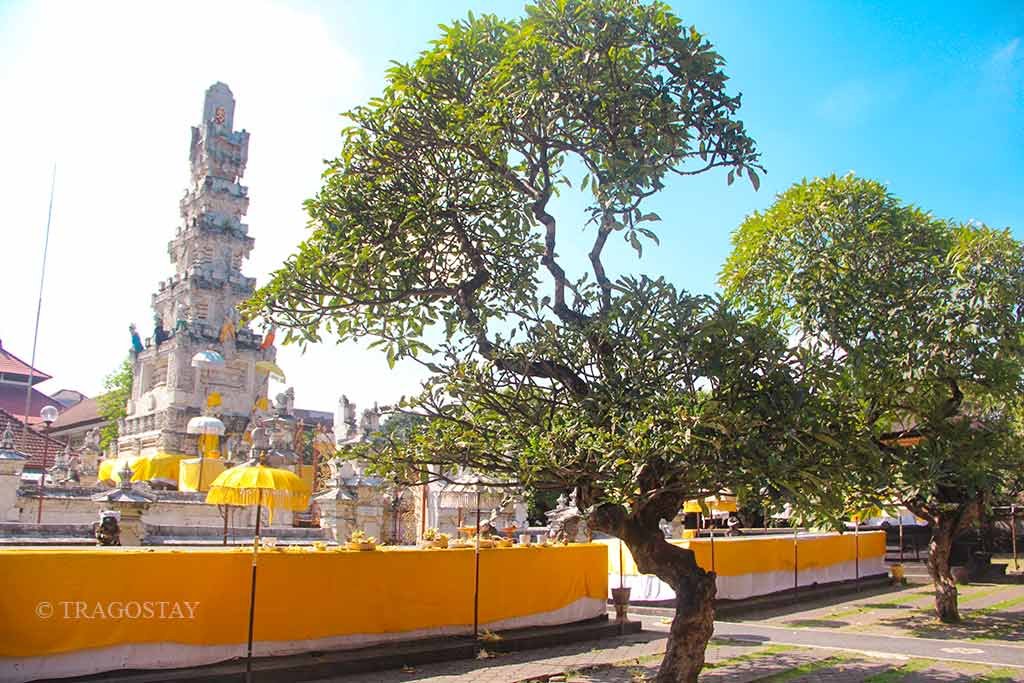
Many travelers are struck by the temple’s towering white coral shrine and also the peaceful atmosphere that exists despite the city’s traffic. Furthermore, the temple is beautifully decorated with intricate stone carvings depicting scenes from the Ramayana and Mahabharata epics. Therefore, it is a “must-visit” for anyone wanting to witness the daily spiritual life of the capital. You will find a sense of divine serenity at Agung Jagatnatha Temple.

The History of Agung Jagatnatha Temple

The history of this temple is relatively modern compared to the ancient sea temples, yet it carries a profound significance for the people of Denpasar.

Origins and Purpose

The temple was inaugurated on May 13, 1968. It was built as a response to the growing population of Denpasar, as many residents who moved to the city for work did not have a “Pura Puseh” or community temple in the capital. Consequently, the government and religious leaders decided to build a grand temple where any Hindu, regardless of their origin or caste, could come to pray. Moreover, the architecture was designed to be inclusive and also to represent the unity of the Balinese people. Therefore, the Agung Jagatnatha Temple stands as a symbol of religious equality and also social harmony in modern Bali.

The Padmasana Milestone

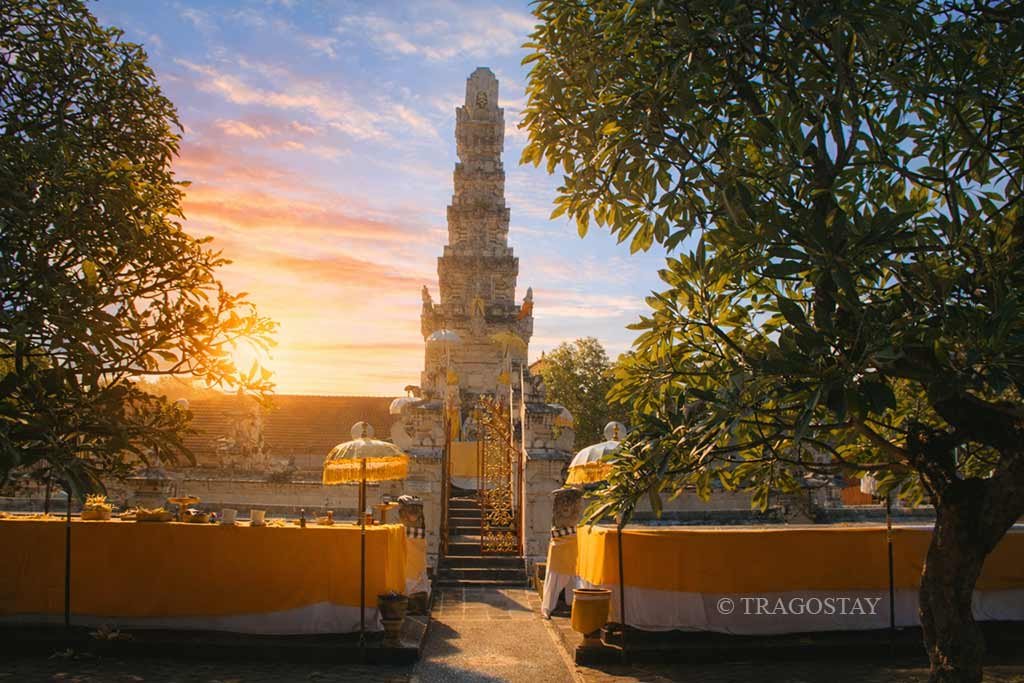
The most iconic feature of the temple is the Padmasana, a towering throne made of white coral that reaches 15 meters high. This throne represents the bridge between the human world and also the divine realm. At the base of the throne, there is a carving of the cosmic turtle (Bedawang Nala) and also two dragons, symbolizing the foundation of the world. Furthermore, the absence of walls around the main shrine is a unique feature of its history, signifying that God is everywhere and also accessible to everyone. This makes it a standout among all other Hindu temples in Bali.
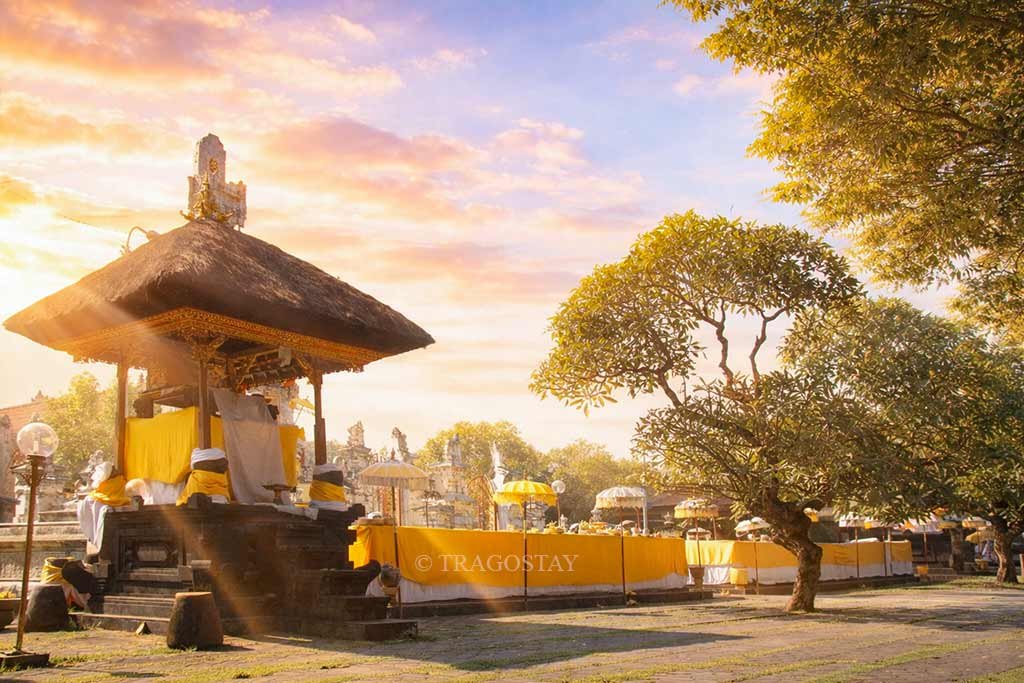
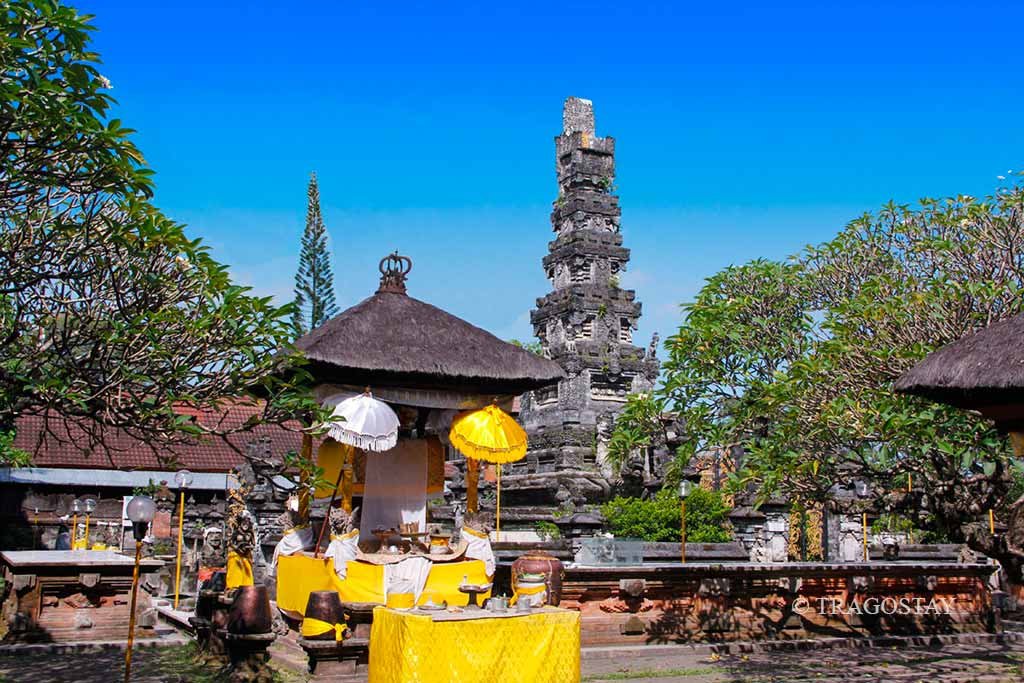
Agung Jagatnatha Temple a prominent Denpasar city Bali shrine and historical landmark.

Visitors Need To Know

Highlight:

  • Largest Hindu Temple in Denpasar
  • 15-Meter White Coral Padmasana Shrine
  • Dedicated to the Supreme God
  • Historical Representing Balinese Unity
  • Center for Vibrant Full Moon Ceremonies
  • Strategic Location in Heart of Denpasar City

As a major religious hub, Agung Jagatnatha Temple performs several vital functions for the community and also the island.

  • A Place of Universal Worship: Its primary function is to serve as a public place for any Hindu to perform daily prayers and also offerings.
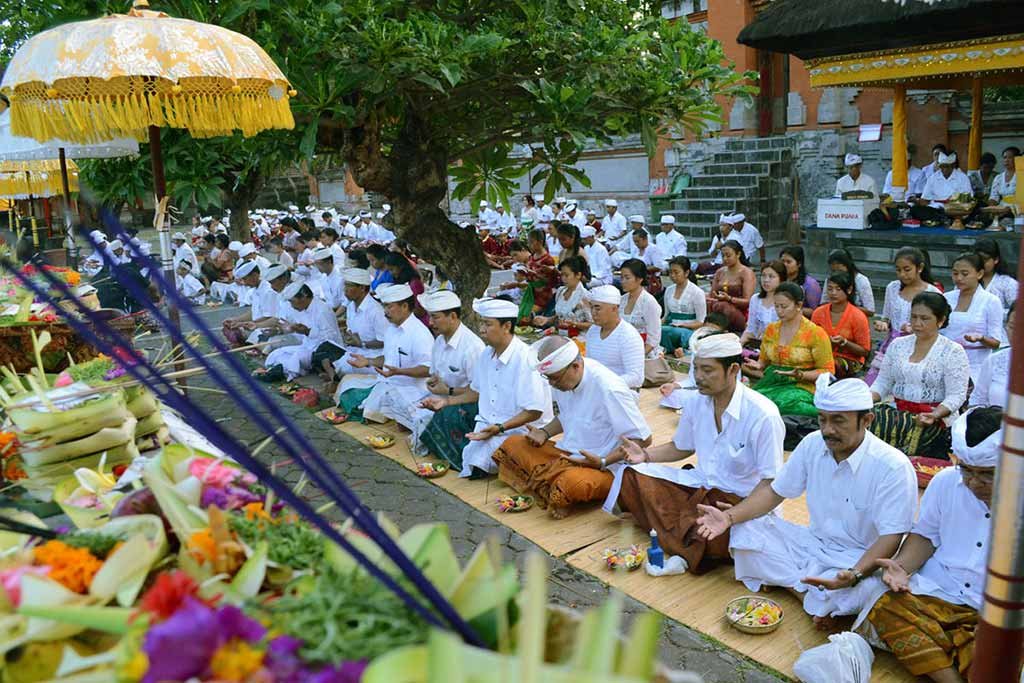
  • Full Moon and New Moon Ceremonies: Every “Purnama” (Full Moon) and “Tilem” (New Moon), thousands of devotees gather here for grand rituals and also prayers.
  • A Cultural Educational Center: The temple is a place where younger generations learn about traditional prayers, offerings, and also Balinese religious sites.
  • Interfaith Harmony: Because it is located near a church and also a mosque, it functions as a symbol of the peaceful coexistence of different religions in Indonesia.
  • Spiritual Sanctuary for Travelers: For those traveling far from their home villages, this temple serves as a “home base” for their spiritual needs.
  • A Landmark for Religious Festivals: During major holidays like Galungan and also Kuningan, the temple becomes the focal point of citywide celebrations.

Consequently, it is a living monument that breathes life into the city every single day. Therefore, it remains one of the most important things to do in Denpasar for cultural enthusiasts.

The Function of the Temple

Public Facilities at Agung Jagatnatha Temple

The temple is well-managed to accommodate the large number of worshippers and also tourists who visit daily.

  • Outer Courtyard: A large, paved area where visitors can walk and also observe the temple’s exterior architecture.
  • Information Boards: There are signs that explain the history and also the etiquette required when entering Hindu temples in Bali.
  • Sarong Rental: For a small donation, visitors can rent a traditional sarong and also a sash at the entrance.
  • Nearby Parking: Public parking is available around Puputan Square, which is just a few steps away.
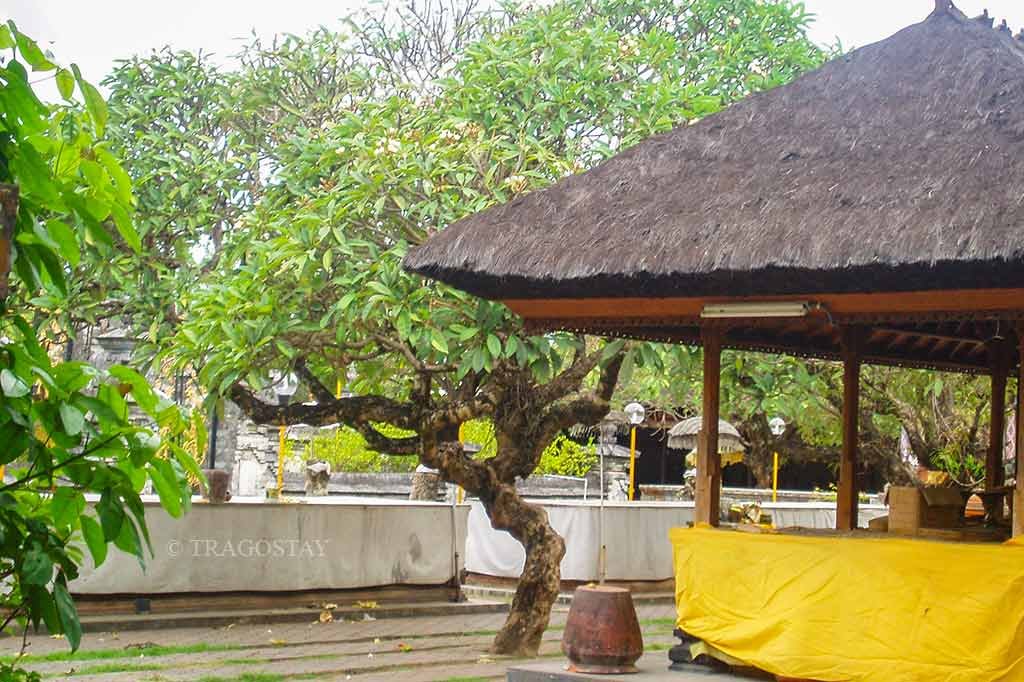
  • Lush Gardens: The temple is surrounded by a beautiful moat filled with lotus flowers and also tropical plants.
  • Night Lighting: The temple is beautifully illuminated at night, making it a safe and also scenic spot for evening visits.

What to Do in Denpasar and Jagatnatha Temple

Visiting this temple offers a deep cultural experience that can be combined with other things to do in Denpasar.

  • Observe Daily Rituals: Watch the local devotees as they place colorful offerings (Canang Sari) and also light incense.
  • Admire the Stone Carvings: Take a slow walk around the temple walls to see the detailed stories carved into the stone.
  • Photography: Capture the contrast of the white coral shrine against the blue sky of Denpasar.
  • Attend a Full Moon Ceremony: If your visit aligns with the lunar calendar, witness the mesmerizing chanting and also the traditional music.
  • Explore Puputan Square: After your visit, walk through the neighboring park to see the historic monuments.
  • Reflect in Silence: Sit in the outer courtyard to enjoy the peace and also the spiritual energy of the site.

Moreover, the temple is free to enter, though a small donation for its maintenance is always appreciated. Furthermore, the proximity to the Bali Museum makes it very convenient for a morning tour. Consequently, it is a highlight of any urban exploration of the island.

Best Time to Visit and Travel Logistics

The best time to visit Agung Jagatnatha Temple is during the early morning or also in the late afternoon. This allows you to avoid the midday heat and also witness the most active prayer times. Moreover, visiting during the Full Moon is a truly unique experience, although it will be much more crowded. Furthermore, the temple is open 24 hours for worshippers, but tourists are generally welcome from sunrise until sunset.

Getting to the temple is very easy as it is located on Jalan Mayor Wisnu, right next to the Bali Museum. It is about 15 minutes from Sanur and also 45 minutes from Kuta or Seminyak. You can use a private car, motorbike, or also a ride-sharing app. Furthermore, because it is in the city center, many local buses stop nearby. Therefore, it is a very accessible destination for everyone.

Nearby Bali Tourist Attractions to Visit

The central location of Agung Jagatnatha Temple makes it easy to visit other Bali spiritual landmarks and also cultural sites.

  • Bali Museum: Located right next door, this museum houses a vast collection of artifacts and also Balinese history.
  • Puputan Badung Square: A historic park across the street, perfect for a relaxing walk and also seeing local monuments.
  • Bali Art Center: A center of Balinese art located in Denpasar City
  • Badung Market: The largest traditional market in Bali, where you can experience local trade and also find fresh produce.
  • Big Garden Corner: Aa unique cultural park in Bali featuring impressive stone sculptures, lush gardens, and artistic installations that showcase traditional Balinese craftsmanship and creativity.
  • Bajra Sandhi Monument: A grand monument dedicated to the Balinese struggle, located just 10 minutes away in Renon.

Frequently Asked Questions (FAQ) about Agung Jagatnatha Temple

What is the dress code for entering the temple?

You must wear a sarong and also a sash around your waist. Your shoulders should also be covered. Furthermore, ensure your clothes are modest and also clean.
Usually, non-Hindus are allowed to explore the outer courtyards. During major ceremonies, the inner sanctuary may be reserved for those who are actively praying.
There is no official entrance fee, but a donation for the temple’s upkeep is always appreciated. Moreover, you may need a small fee for sarong rental.
Yes, it is a peaceful place for children to learn about different cultures. However, they must be taught to be quiet and also respect those who are praying.
Yes, but you must be respectful. Do not use flash and also do not stand higher than the priest. Furthermore, always prioritize the comfort of the worshippers.
No, there are no locker facilities here. It is best to carry your essentials in a small bag and also leave large luggage at your accommodation.
Search

April 2026

  • M
  • T
  • W
  • T
  • F
  • S
  • S
  • 1
  • 2
  • 3
  • 4
  • 5
  • 6
  • 7
  • 8
  • 9
  • 10
  • 11
  • 12
  • 13
  • 14
  • 15
  • 16
  • 17
  • 18
  • 19
  • 20
  • 21
  • 22
  • 23
  • 24
  • 25
  • 26
  • 27
  • 28
  • 29
  • 30

May 2026

  • M
  • T
  • W
  • T
  • F
  • S
  • S
  • 1
  • 2
  • 3
  • 4
  • 5
  • 6
  • 7
  • 8
  • 9
  • 10
  • 11
  • 12
  • 13
  • 14
  • 15
  • 16
  • 17
  • 18
  • 19
  • 20
  • 21
  • 22
  • 23
  • 24
  • 25
  • 26
  • 27
  • 28
  • 29
  • 30
  • 31
0 Adults
0 Children
Pets
Size
Price
Amenities
Facilities

Compare listings

Compare

Compare experiences

Compare

Compare listings

Compare

Compare experiences

Compare
Search

April 2026

  • M
  • T
  • W
  • T
  • F
  • S
  • S
  • 1
  • 2
  • 3
  • 4
  • 5
  • 6
  • 7
  • 8
  • 9
  • 10
  • 11
  • 12
  • 13
  • 14
  • 15
  • 16
  • 17
  • 18
  • 19
  • 20
  • 21
  • 22
  • 23
  • 24
  • 25
  • 26
  • 27
  • 28
  • 29
  • 30

May 2026

  • M
  • T
  • W
  • T
  • F
  • S
  • S
  • 1
  • 2
  • 3
  • 4
  • 5
  • 6
  • 7
  • 8
  • 9
  • 10
  • 11
  • 12
  • 13
  • 14
  • 15
  • 16
  • 17
  • 18
  • 19
  • 20
  • 21
  • 22
  • 23
  • 24
  • 25
  • 26
  • 27
  • 28
  • 29
  • 30
  • 31
0 Adults
0 Children
Pets
Size
Price
Amenities
Facilities