

Goa Lawah Temple stands out as one of the most unique spiritual destinations you can find on the magical island of Bali. This ancient Hindu site beautifully combines a deeply revered temple complex with a massive natural cave opening. Thousands of protected nectar bats crowd the inner walls of this rock chamber, creating an unforgettable sight and sound. Local worshippers gather here daily to lay colorful offerings at the mouth of the cave, making the atmosphere highly spiritual.
Travelers will find this unique landmark in the Klungkung Regency, right along the scenic east coast of the island. The temple plays an incredibly important role in Balinese Hinduism as a protector against dark forces from the sea. Because of its strategic location, it serves as the perfect stopping point for anyone exploring the eastern grid of the island. Consequently, it belongs on every traveler’s list of essential Bali Tourist Attractions due to its rich cultural heritage.
History reveals that the brilliant high priest Mpu Kuturan established Pura Goa Lawah during the 11th century. Later, during the 16th century, another legendary sage named Dang Hyang Nirartha arrived to expand the sacred complex. Local folklore suggests that the sage found the cave while searching for a place to meditate in peace. He immediately recognized the deep spiritual energy vibrating from the dark cavern and its wild inhabitants.
Therefore, he built several grand shrines directly in front of the cave mouth to honor the gods of the underworld. Ancient stories also claim that the cave tunnel extends for over thirty kilometers through the earth. According to these old myths, the deep passage connects directly to Besakih Temple on the slopes of Mount Agung. While no modern explorer has ever confirmed this secret path, locals firmly believe in this hidden connection between the mountain and the sea.
Balinese Hindus categorize Goa Lawah Temple as one of the highly sacred Sad Kahyangan, which translates to the six sanctuaries of the world. Specifically, this directional temple protects the entire island of Bali from evil spirits originating from the southeast ocean. The local population associates the dark cave with the mythical giant snake king named Basuki, who guards the balance of the universe.
Because of this profound belief, the site acts as a crucial pillar for the spiritual stability of the island. Priests constantly perform powerful blessings here to maintain harmony between humanity, nature, and the divine realm. Every district in Bali sends representatives to this holy site throughout the year to show respect. As a result, you will always feel an active, living energy whenever you step through the main gates.


The Sacred Bat Cave (The Core Shrine)
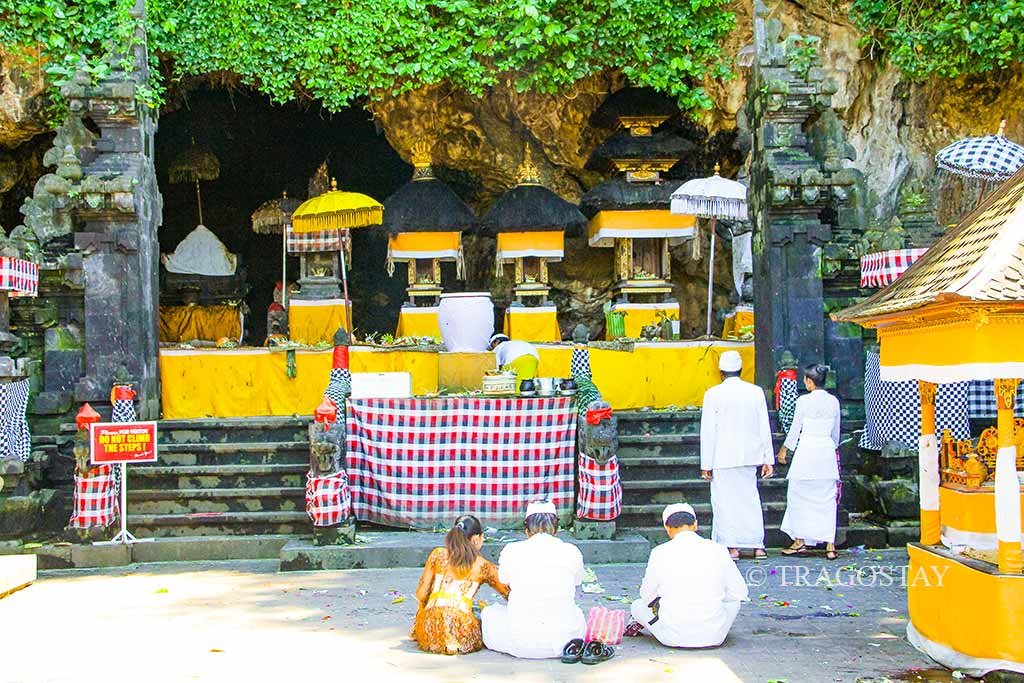
The primary attraction of this spiritual complex is definitely the massive natural opening of the bat cave. You will find this dark cavern located deep inside the third and most sacred inner courtyard of the temple. Thousands of small fruit bats cling to the high stone ceiling, creating a dense, moving carpet of dark fur. They chirp continuously throughout the day, creating a unique sound that echoes across the courtyard.
Interestingly, these wild creatures never leave the cave during daylight hours despite the regular presence of human visitors. Local priests consider the bats completely holy and strictly forbid anyone from disturbing or harming them. The contrast between the bright tropical sun outside and the deep darkness of the cave creates a highly mysterious atmosphere. Visitors can stand just a few meters away from the entrance to witness this fascinating natural wonder safely.
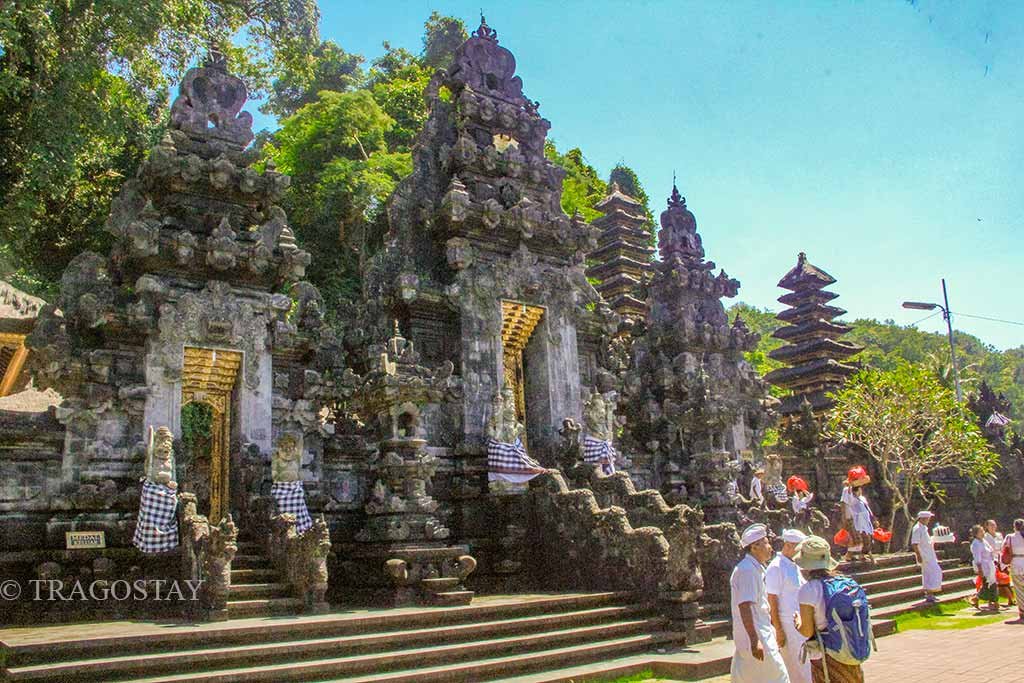
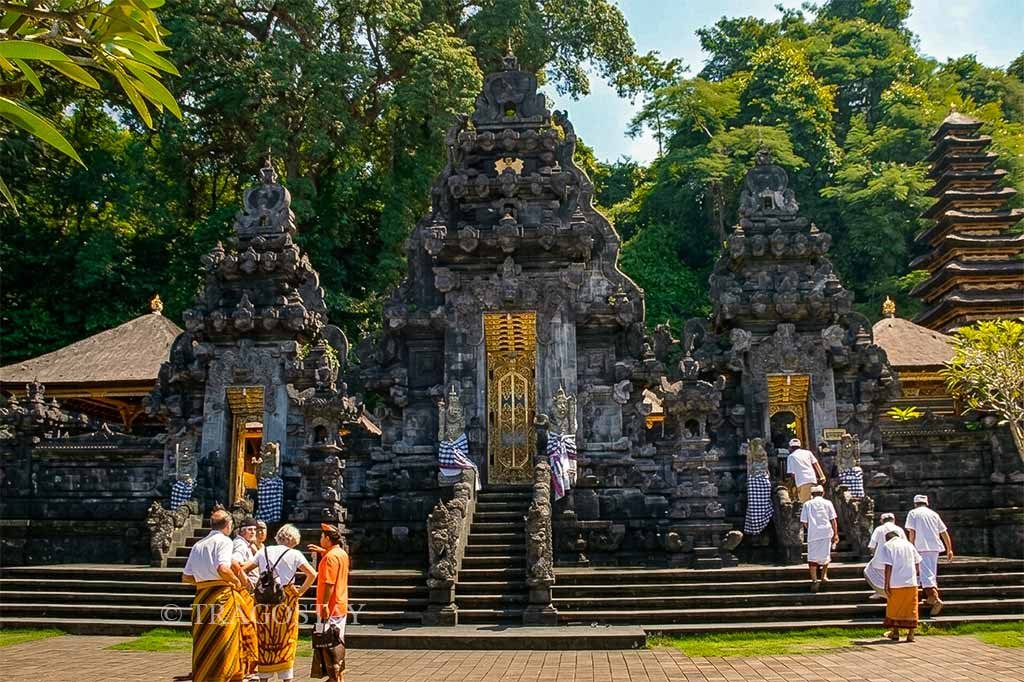
Beside the natural cave, the human-made structures inside the complex display incredible artistry and ancient craftsmanship. Master builders constructed the towering gateways and multi-tiered Meru roofs using dark, heavy volcanic stone from nearby rivers. This jet-black material gives the entire complex a powerful, dramatic look that sets it apart from other traditional temples.
Intricate stone carvings depicting mythical demons, holy gods, and traditional floral patterns decorate every single wall. You will also notice pairs of fierce guardian statues standing watch at every entrance to keep evil away. The main courtyard features beautiful altars adorned with bright yellow and white cloths during special festival days. Walking through these split gates feels like stepping directly backward into the ancient history of Bali.
You will likely witness authentic religious activities taking place during your visit to Goa Lawah Temple. White-robed priests regularly guide local families through complex prayers while chanting sacred mantras and ringing small brass bells. They sprinkle holy water over the worshippers and place grains of raw rice on their foreheads as a divine blessing.
Most importantly, the temple serves as the essential final destination for the traditional Nyegara Gunung purification ritual. Families travel here directly after completing a cremation ceremony to give thanks to the spirits of the sea and mountains. They carry elaborate, tall towers made of fresh fruit, vibrant flowers, and traditional cakes as offerings. This continuous cycle of devotion ensures that the ancient traditions remain completely alive and vibrant today.
The management keeps the holy complex open for international tourists from 7:00 AM until 6:00 PM every day. However, Hindu worshippers can access the inner shrines for prayer twenty-four hours a day during special religious festivals. Please note that there is an entrance fee to access the temple grounds, and prices are subject to change without prior notice. For the latest ticket rates, we highly recommend contacting a local travel agent or reaching out directly to the temple management.
This affordable fee goes directly toward maintaining the historical structures and supporting the local community caretakers. You can purchase your tickets at the small counter located near the main parking area. It is highly recommended to check the local calendar for full moon days before planning your journey. These specific lunar dates bring massive crowds of worshippers, offering an incredible cultural spectacle for photography enthusiasts.
Choosing the right time for your visit will greatly enhance your overall experience at this unique site. The absolute best hour to arrive is during the late afternoon, specifically between 5:00 PM and 6:00 PM. During this cooler time, the thousands of resident bats begin to wake up and fly out into the night sky. The air fills with excitement as the massive colony prepares to hunt for fruit across the island.
When packing your day bag, make sure to bring a high-quality camera that performs well in low-light conditions. Please remember that you must never use a camera flash near the cave opening because it scares the animals. Additionally, carry some loose pocket money to purchase refreshing drinks from the friendly local vendors outside. Wear sturdy, comfortable shoes because the stone courtyards can occasionally become slippery after a tropical rain shower.
Respecting the local Hindu customs is extremely important when entering any sacred space on the island of Bali. All visitors must cover their legs fully by wearing a traditional Balinese sarong and a colorful waist sash. Fortunately, the staff at the ticket counter provides these traditional garments for free as part of your entry fee. Ensure that your shirt covers your shoulders completely, and avoid wearing revealing clothing out of respect for the worshippers.
Furthermore, you must never stand directly in front of someone who is sitting on the ground to pray. Avoid climbing onto any of the raised stone platforms or touching the delicate ancient carvings on the altars. Menstruating women are traditionally requested to refrain from entering the inner courtyards due to ancient spiritual laws. By following these simple guidelines, you show deep respect for the local culture and ensure a welcoming experience.
Finding your way to this historic coastal temple is quite straightforward from most major southern tourist hubs. The destination sits directly along the main highway connecting western Bali to the remote eastern regencies. If you depart from the popular cultural town of Ubud, the drive takes approximately forty-five minutes via scooter.
Alternatively, traveling from the coastal resort area of Sanur requires around a forty-minute drive along the fast bypass road. Many travelers prefer to hire a professional private driver for the day to enjoy a stress-free journey. This convenient option allows you to sit back comfortably while admiring the beautiful views of green rice fields. You can also easily combine this trip with a visit to the nearby traditional sea-salt farming village of Kusamba.
No, regular visitors are strictly forbidden from stepping inside the dark cavern under any circumstances. However, you can stand comfortably at the wide entrance and look directly inside to see the bats clearly from the courtyard.
Most travelers find that thirty to forty-five minutes provides plenty of time to explore the entire temple complex. Because the area is quite compact, it works perfectly as a short and enriching stopover during a broader day trip around East Bali.
No, the thousands of nectar bats living inside the stone walls pose absolutely no danger to human visitors. They spend their entire day sleeping peacefully high up on the ceiling and feed exclusively on wild fruits and insects at night.
The traditional dress code requires all visitors to wear a proper sarong and a colorful waist sash. You do not need to bring your own because the helpful ticket staff lends them out at the entrance for free.
Yes, you can easily visit several fantastic points of interest located just a short drive along the same coastal road. For instance, the beautiful black sands of Kusamba Beach and the historic Kerta Gosa pavilion sit very close to the temple.
Log in
Don't have an account? Register
Please enter your username or email address. You will receive a link to create a new password via email.
Register with your email
Do you already have an account? Log In
Log in
Don't have an account? Register
Please enter your username or email address. You will receive a link to create a new password via email.
Register with your email
Do you already have an account? Log In