

Kusamba Beach offers a truly refreshing escape for travelers who want to experience the authentic and untouched side of Bali. This expansive coastal stretch stands out immediately because of its dramatic, shimmering black volcanic sand that sparkles brightly under the tropical sun. Unlike the crowded resort beaches in the southern part of the island, this destination maintains a peaceful and deeply traditional atmosphere. Visitors will find a beautiful coastline dotted with colorful outrigger boats and rustic wooden huts belonging to local families.
Travelers can easily find this unique coastal destination in the Klungkung Regency, situated just a short drive from other famous landmarks. The area serves as a living museum where ancient traditions continue to thrive despite the rapid pace of modern tourism development. Because of its raw beauty and cultural importance, this location deserves a prominent spot on every traveler’s itinerary across the island. Consequently, it stands as one of the most fascinating destinations featured in our comprehensive guide to Bali Tourist Attractions.
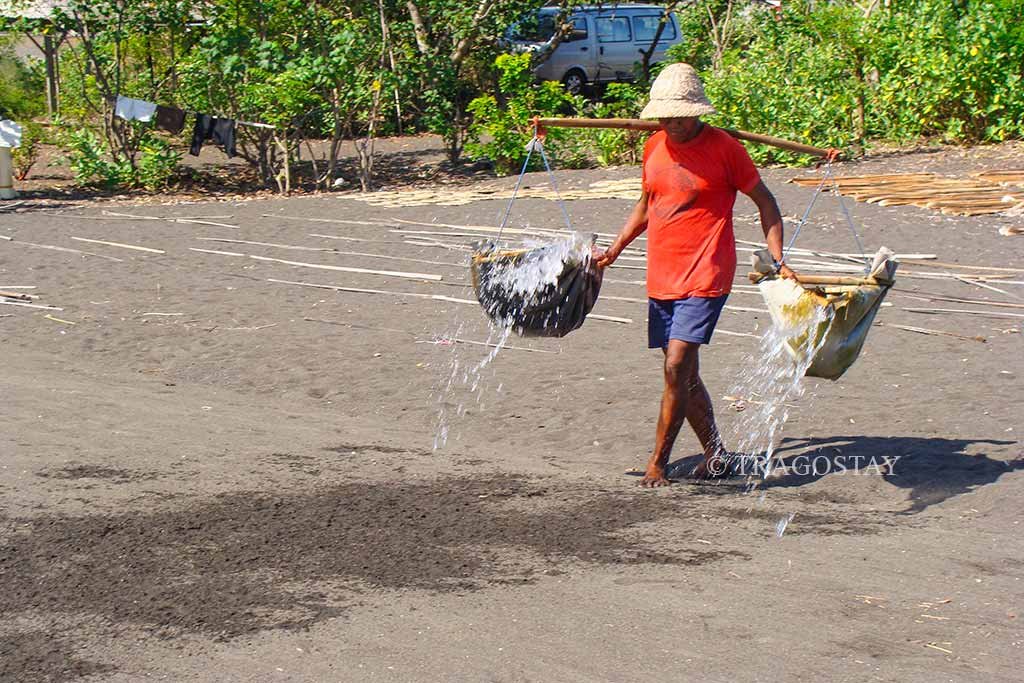
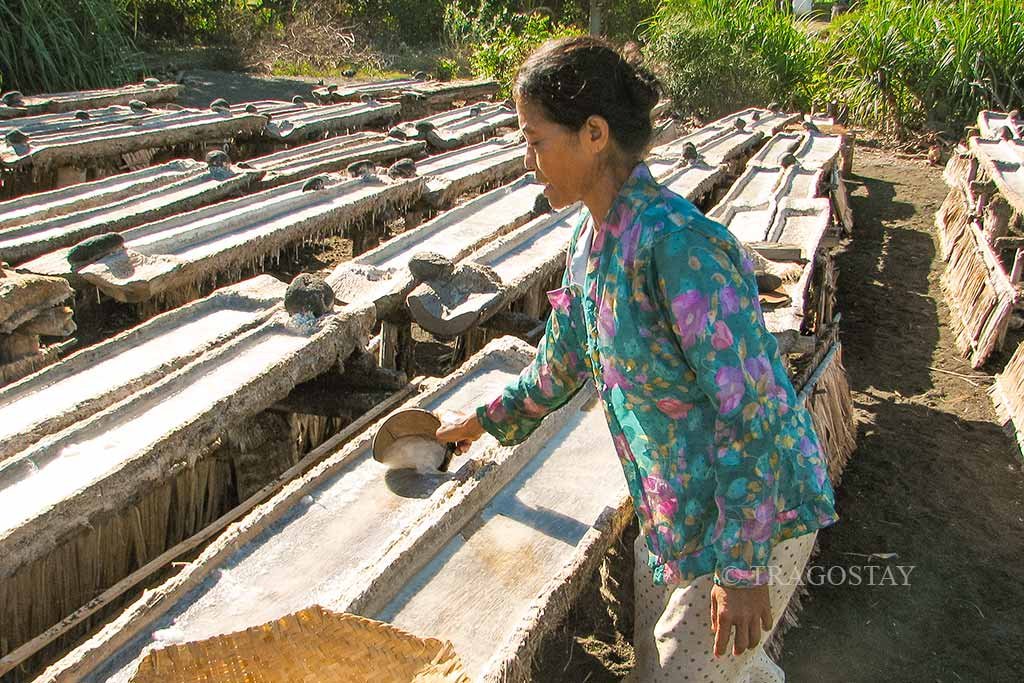
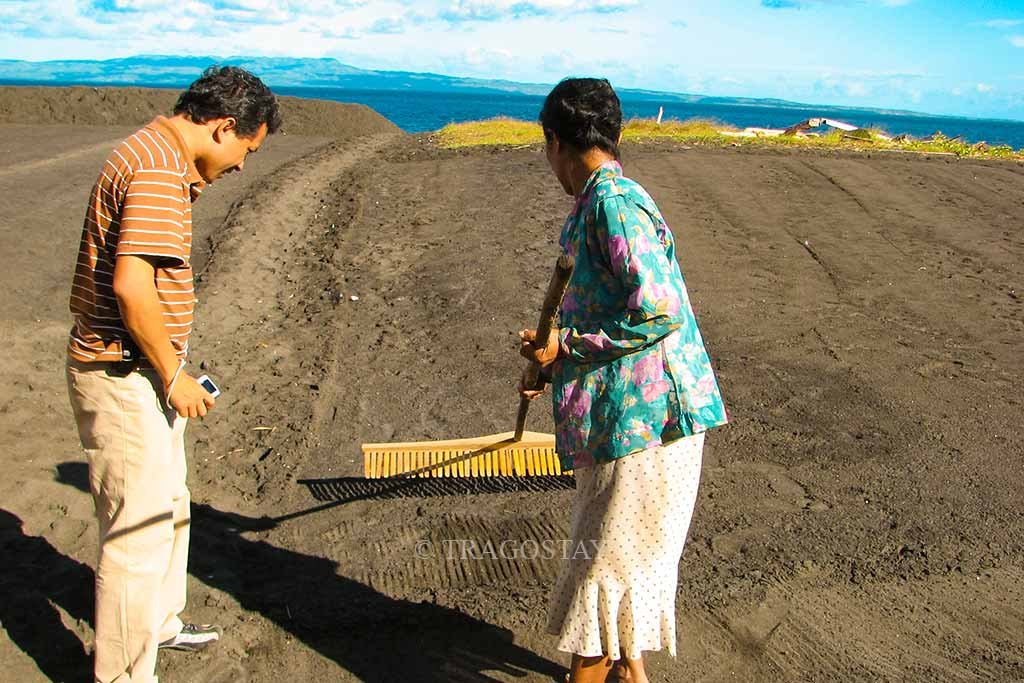
The most fascinating aspect of Kusamba Beach is undoubtedly the ancient tradition of sea-salt farming that generations of locals have preserved. These hardworking salt farmers utilize a meticulous, multi-step process that relies entirely on the natural elements of sun, wind, and earth. First, the farmers carry heavy wooden buckets of fresh ocean water using a bamboo yoke balanced across their strong shoulders. They splash the seawater evenly across the flat, smoothed black sand to let the intense tropical heat evaporate the liquid.
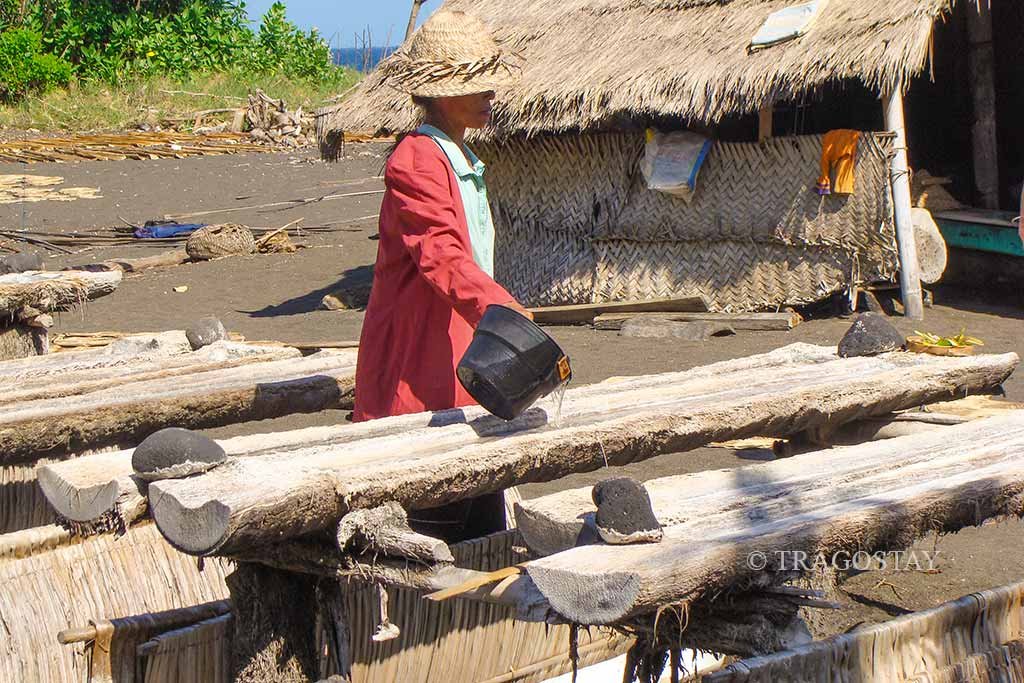
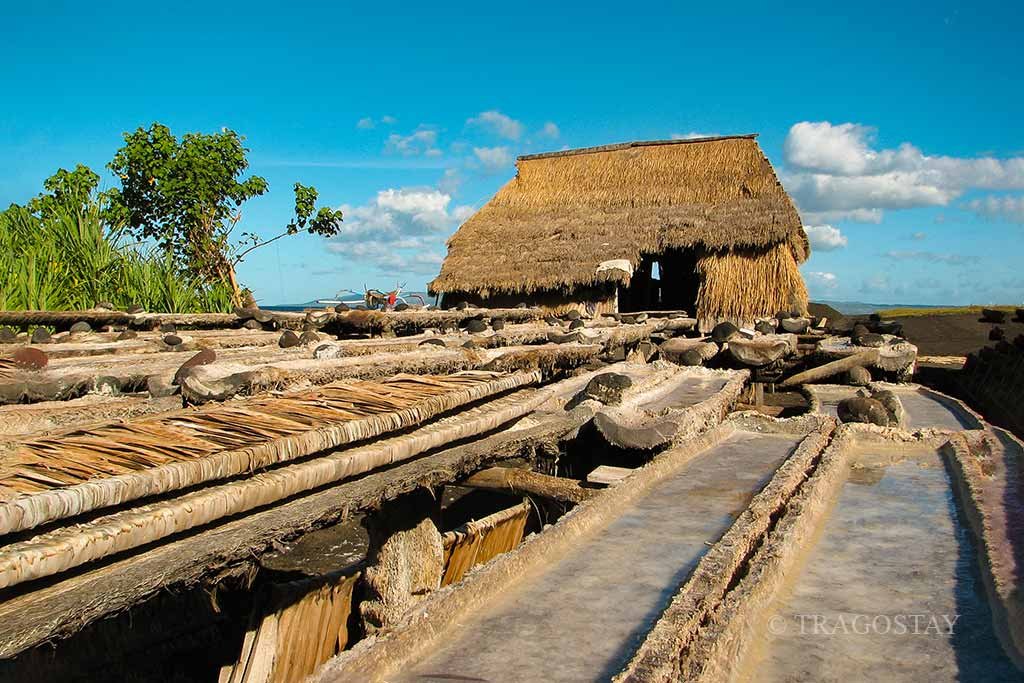
Therefore, this repetitive spraying process leaves behind a highly concentrated layer of salty sand over several hours of baking. Next, they scrape this salty top layer together and place it into a large wooden filtration funnel inside their rustic huts. They pour more fresh ocean water through the sand to wash out the highly concentrated brine into hollowed-out palm tree trunks. Finally, the sun dries this pure liquid for several days until beautiful, snowy white salt crystals naturally form on the wood.
This traditional craft represents a vital source of income for the small number of families who still maintain these coastal huts. Unfortunately, the physically demanding practice is slowly disappearing because younger generations often prefer to seek modern jobs in the bigger cities. Visitors have a wonderful opportunity to support this dying art by interacting directly with the friendly farmers during their daily work.
You can purchase small, neatly packed bags of this premium, organic sea salt directly from the families at very affordable prices. This mineral-rich salt possesses a distinctively clean, savory crunch that gourmet chefs around the world highly value for cooking. By buying these authentic products, you contribute directly to the local economy and help preserve a beautiful piece of Balinese heritage. It makes for an incredibly meaningful and sustainable souvenir that tells a genuine story of human connection with nature.
Traditional Ports and Speedboat Crossings
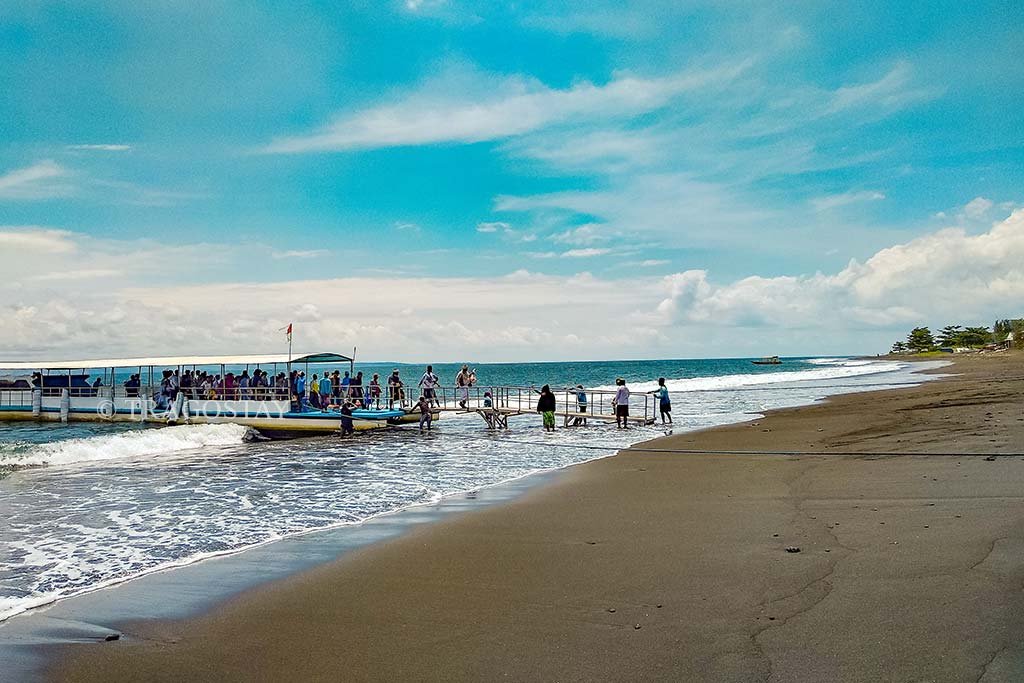
Beside its famous salt production, Kusamba Beach serves a highly critical role as a strategic transportation hub for the region. The coastline functions as an energetic local port that connects the main island of Bali to the neighboring island of Nusa Penida. Every morning, the shore comes alive with activity as locals and adventurous travelers gather to board the vessels.
You will see traditional outrigger boats, known locally as jukung, resting on the dark sand alongside modern, high-powered speedboats. This specific departure point is highly favored by people traveling to the lesser-known eastern villages of Nusa Penida. The boarding process here offers a classic Balinese adventure because passengers must often wade through the warm knee-deep surf to enter the boats. Consequently, it provides a much more rustic and authentic coastal experience compared to the larger, highly commercialized harbors in Sanur.
The geographic position of this beach provides some of the most dramatic coastal vistas you can experience on the east coast. Standing on the dark volcanic shore allows you to look directly across the deep waters of the Lombok Strait. On clear days, the massive limestone cliffs of Nusa Penida rise sharply from the blue horizon, creating a breathtaking backdrop.
You can watch traditional fishermen navigating the rolling ocean waves in their colorful wooden boats throughout the day. The deep blue color of the sea creates a stunning visual contrast against the pitch-black sand of the shoreline. Photography enthusiasts will find endless inspiration here, especially when the changing light highlights the textures of the waves and huts. It is a fantastic place to sit quietly and feel the powerful energy of the ocean breeze hitting the coast.
Please note that there is an entrance fee to access the temple grounds, and prices are subject to change without prior notice. For the latest ticket rates, we highly recommend contacting a local travel agent or reaching out directly to the temple management. Currently, visitors do not have to pay a formal ticket price to walk along the public shoreline of Kusamba Beach.
You might only need to pay a very small, nominal fee for parking your scooter or private car with the local attendants. The public beach remains accessible twenty-four hours a day, allowing for ultimate flexibility in your travel schedule. However, the salt farmers generally work from 8:00 AM until 4:00 PM when the sun is brightest. The boat operators also wrap up most of their island crossings by the early afternoon hours.
Planning your arrival time carefully will ensure that you catch the salt farmers during their most active working hours. The absolute best time to visit is during the mid-morning, specifically between 9:00 AM and 11:00 AM. During these hours, the sun is high enough to dry the sand, and farmers are busy carrying water and scraping crystals.
When preparing your day bag for this coastal trip, make sure to bring plenty of sun protection like hats and sunscreen. The open black sand absorbs heat rapidly, making the beach feel significantly warmer than other locations during midday. Additionally, wear water-friendly sandals or flip-flops because you will likely get your feet wet near the shoreline or boats. Carry enough cash in small denominations because the local salt farmers and market stalls do not accept electronic credit cards.
Reaching this traditional salt-farming village is very convenient because it sits close to the main east coast highway. If you are starting your journey from the cultural center of Ubud, the drive takes about forty-five minutes. Travelers departing from the southern beach town of Sanur can expect a smooth forty-minute ride along the fast bypass road.
The beach is also situated just a quick five-minute drive from the famous Goa Lawah Temple complex. Many smart travelers choose to combine these two unique eastern destinations into a single, highly enriching morning itinerary. You can easily rent a scooter for maximum freedom or hire a private car with a knowledgeable driver for comfort. The coastal roads are well-paved and feature clear signage directing you toward the local port area.
No, the ocean currents along this specific eastern coastline are incredibly strong and can be very dangerous for swimmers. The beach drops off quickly into deep water, so it is much better suited for cultural sightseeing and photography.
Yes, visitors can buy freshly packed bags of organic sea salt straight from the local families inside their working huts. This direct purchase provides you with an authentic souvenir while supporting the traditional community directly.
Yes, several reputable local boat companies operate daily scheduled speedboat services from this shore to the island. It serves as an excellent alternative departure point, especially if you are staying in East Bali or Ubud.
The salt is unique because farmers use ancient volcanic sand filtration methods and natural sun evaporation in palm trunks. This labor-intensive process creates clean, mineral-rich crystals that offer a distinctively smooth taste prized by chefs.
A typical visit of thirty to forty-five minutes is usually enough time to see the salt huts and walk the shore. However, you might spend longer if you are waiting to board a speedboat to Nusa Penida.
No, entering the public beach and visiting the salt farming huts is completely free for all visitors. You only need to pay a very small fee for parking your vehicle near the boat harbor.
Log in
Don't have an account? Register
Please enter your username or email address. You will receive a link to create a new password via email.
Register with your email
Do you already have an account? Log In
Log in
Don't have an account? Register
Please enter your username or email address. You will receive a link to create a new password via email.
Register with your email
Do you already have an account? Log In