

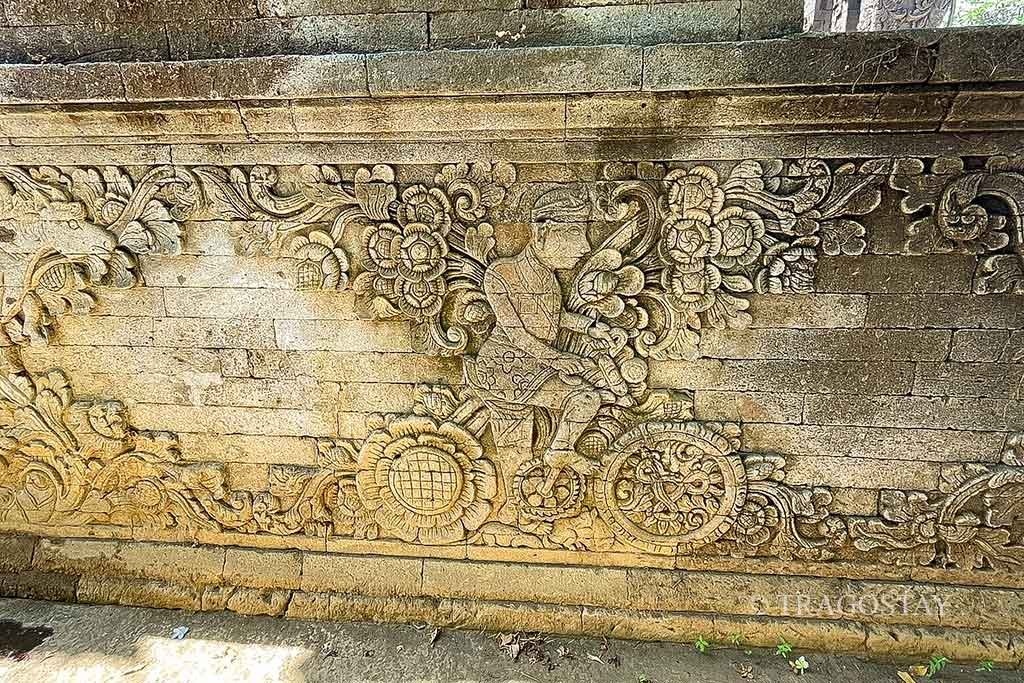
Meduwe Karang Temple, or Pura Meduwe Karang, stands as a vibrant landmark in the coastal village of Kubutambahan. You will find this sacred site recognized as one of the most creatively carved Cultural Sites in Bali because of its whimsical stone art. Many international travelers visit this location specifically to find the famous carving of a Dutch official riding a bicycle with floral-patterned wheels. Consequently, it has become a favorite spot for those who want to see how Balinese artists interpreted foreign influences during the colonial era.
Exploring the various levels of Meduwe Karang Temple reveals a deep respect for the earth and its agricultural abundance. Unlike many other temples that face the mountains, this temple is uniquely oriented toward the sea to protect the dry-land crops. Therefore, you will feel a different spiritual energy while walking through the spacious courtyards filled with frangipani trees. This area serves as a primary hub for local farmers who grow coconuts, corn, and coffee in the surrounding volcanic soil.
Furthermore, the temple remains a peaceful sanctuary that is rarely visited by the massive crowds found in southern Bali. You will find that the artistic boldness of this site makes it a standout among all Cultural Sites in Bali. This destination truly captures the resilient and creative spirit of the northern Balinese people.
The temple is primarily dedicated to Batara Meduwe Karang, the deity who protects the fertility of the non-irrigated land. You will find that local farmers come here to offer prayers for the success of their plantations and orchards. Specifically, the history of this site is rooted in the survival of the community through dry-land farming techniques. Furthermore, this spiritual focus makes it one of the most significant Cultural Sites in Bali for understanding local agricultural traditions.
During the reconstruction after a massive earthquake, local carvers added many unique contemporary touches to the stone walls. You will notice that the carvings reflect a time when the Balinese were observing the first Europeans arriving on the island. Specifically, this period of artistic freedom allowed for the inclusion of non-traditional motifs like bicycles and floral wheels. This historical layering is what defines the temple as one of the most intriguing Cultural Sites in Bali today.
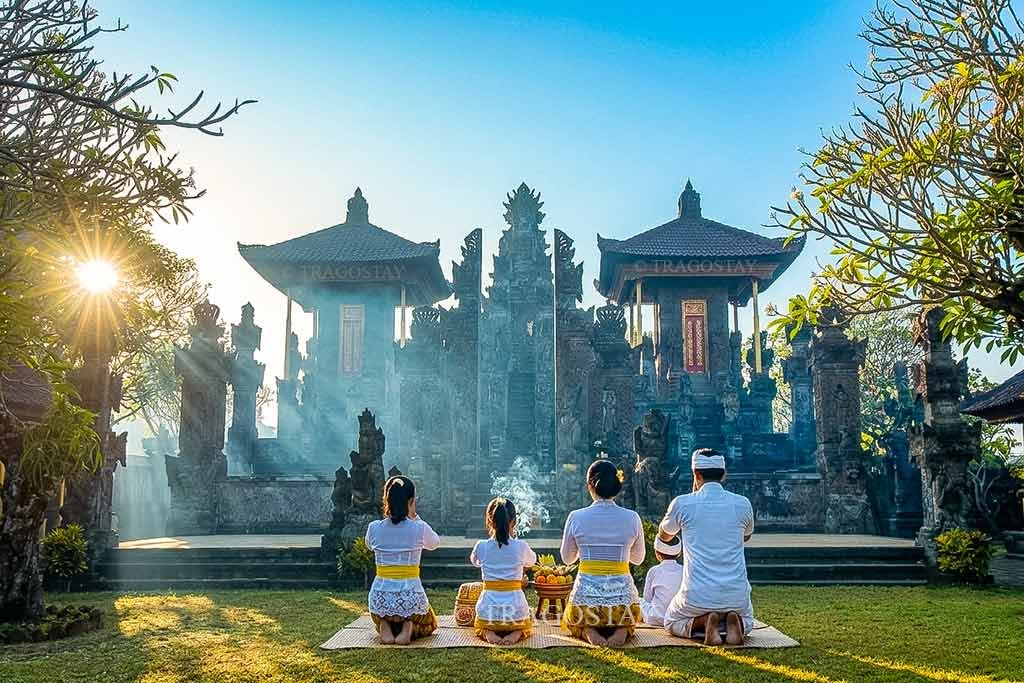
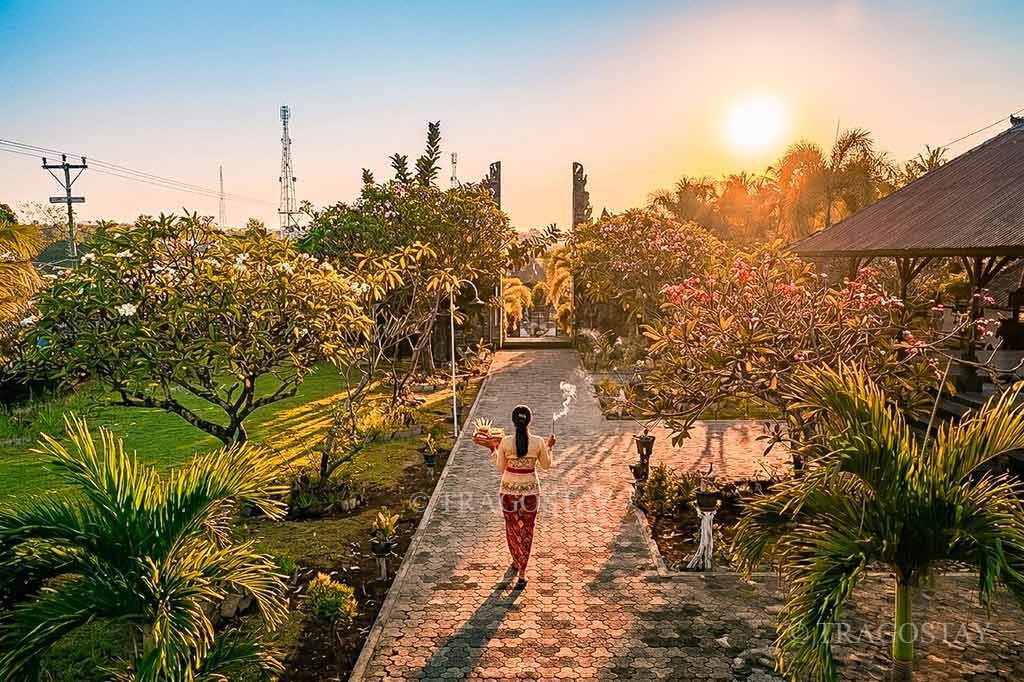
The primary function of this temple is to ensure the prosperity of the “Karang” or dry gardens that do not rely on rice field irrigation. You will find that the rituals performed here are specifically aimed at protecting crops like cocoa, coffee, and fruit trees. Specifically, Meduwe Karang Temple acts as a spiritual insurance policy for the villagers who live in the more arid parts of Kubutambahan. Furthermore, it serves as a gathering place for the community to share agricultural knowledge and social bonds.
Beyond its agricultural role, the temple serves as the main venue for grand religious festivals and temple anniversary celebrations. You can witness the local people organizing elaborate processions and traditional dances within the outer courtyards. Specifically, these events play a vital role in maintaining the cultural continuity of the northern Balinese way of life. Furthermore, participating in these festivals is a great way to experience the living heritage of Cultural Sites in Bali.
The most iconic feature is the stone relief of W.O.J. Nieuwenkamp, a Dutch artist who explored Bali on a bicycle. Specifically, the wheels are beautifully carved as blooming sunflowers to represent a uniquely Balinese artistic perspective. This remains the most famous single relief among all Cultural Sites in Bali.
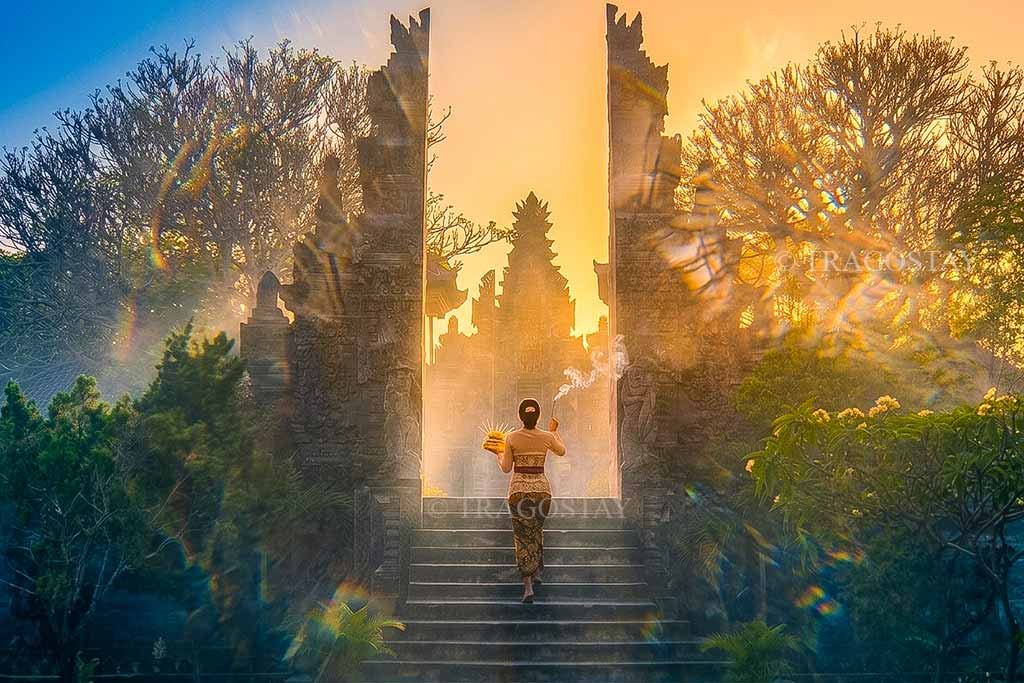
Meduwe Karang Temple is built on multiple rising terraces that lead visitors toward the most sacred inner shrines. You will notice that the vertical layout creates a dramatic sense of scale and importance as you climb the steps. This terraced architecture is a signature element of ancient Cultural Sites in Bali.
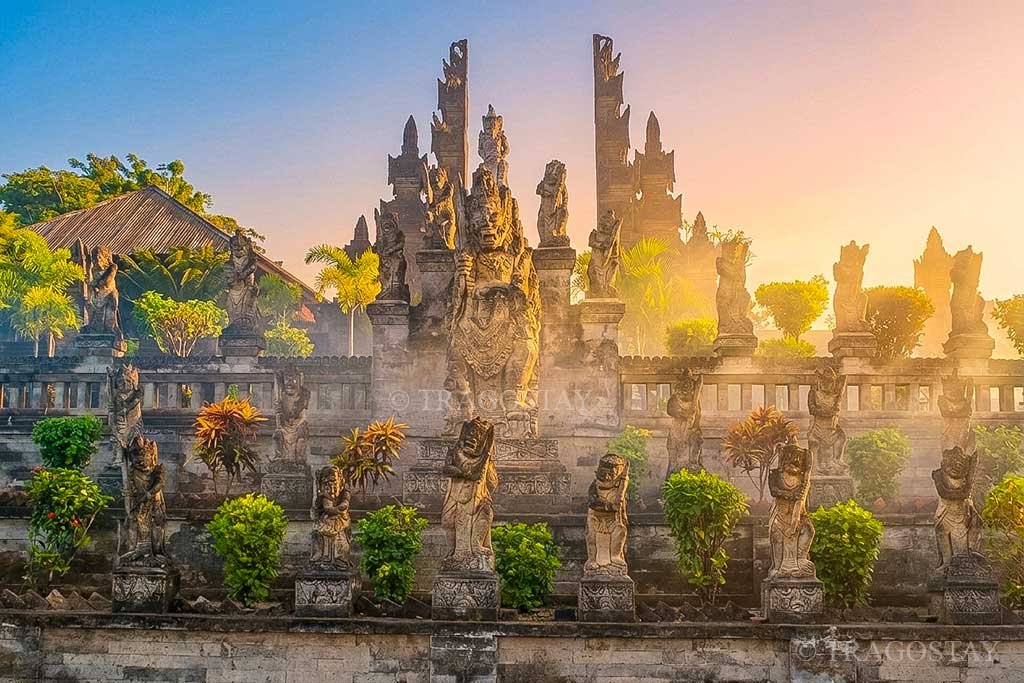
The entrance area features nearly 30 statues representing various characters from the famous Ramayana and Mahabharata stories. Specifically, the dynamic poses and detailed costumes of these stone figures provide an incredible visual welcome. These statues showcase the high level of craftsmanship found in northern Cultural Sites in Bali.
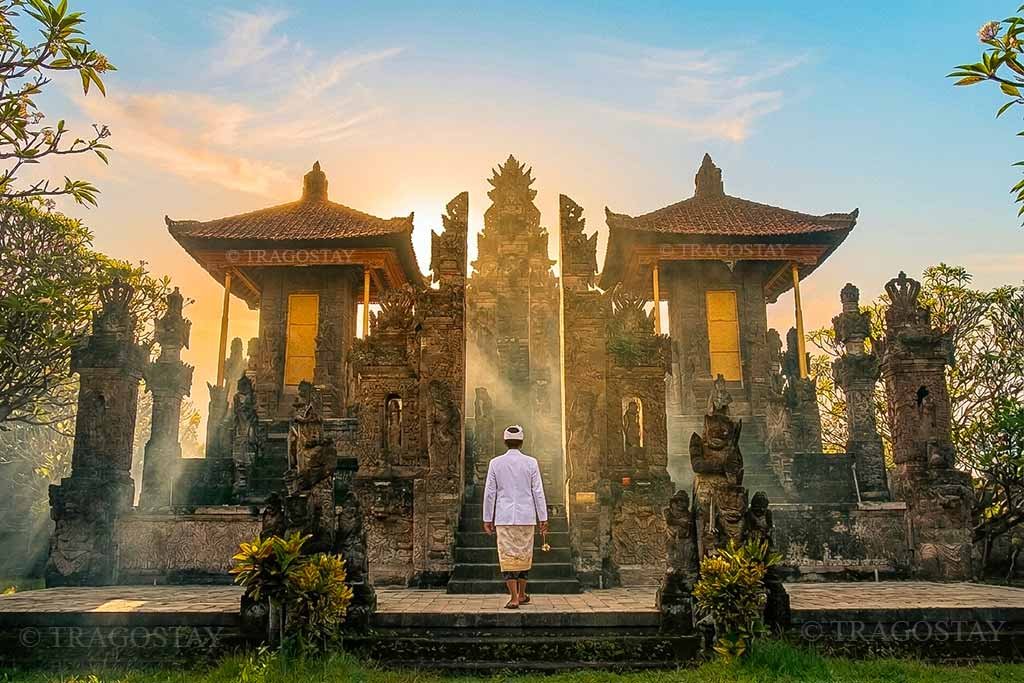
The entrance to the temple is built across three distinct levels that symbolize the different realms of the universe. You will see a series of stone guardians and mythical lions that protect the sacred ground from negative spirits. Specifically, the wide steps provide a grand sense of arrival for every traveler who visits this coastal sanctuary. Furthermore, the view from the top tier looking back toward the village is absolutely beautiful and serene.
The side walls of the inner courtyards are covered in extensive bas-reliefs depicting scenes from daily life and ancient legends. You should look closely at the carvings to find hidden details like small animals, tropical plants, and traditional Balinese houses. Specifically, the soft volcanic stone used for these reliefs allows for a very high level of artistic precision. Furthermore, these carvings serve as a stone library for the traditional stories of Cultural Sites in Bali.
The innermost part of the temple is the most peaceful area where the main altar for the Sun God is located. You will find that this area is kept very clean and is only entered by worshippers during specific holy days. Specifically, the carvings here are more traditional and focus on celestial beings and divine floral patterns. Furthermore, the silence of the inner sanctum makes it a perfect place for quiet reflection during your tour.
The best time to photograph the famous cyclist carving is in the mid-morning when the sun illuminates the side walls. You will find that the shadows are not too harsh, allowing all the floral details of the wheels to be visible. Specifically, the soft morning light also brings out the natural colors of the volcanic stone and the surrounding gardens. Furthermore, arriving early allows you to enjoy the most popular Cultural Sites in Bali before the midday heat.
As with all religious sites, you must wear a sarong and a temple sash around your waist to show respect. You should also ensure your shoulders are covered and avoid any behavior that might disturb the local worshippers. Specifically, it is polite to ask for permission before taking photos of people who are in the middle of a prayer. Furthermore, following these simple rules ensures that Cultural Sites in Bali remain respected and preserved for future generations.
You can find more detailed guides on other Bali Tourist Attractions through our main category page.
The carving is believed to represent W.O.J. Nieuwenkamp, a Dutch artist and explorer who traveled around Bali on his bicycle in 1904. The local artists were so fascinated by this sight that they immortalized him into the temple’s stone wall.
There is a small entrance fee or donation requested at the gate which is used for the maintenance of the temple grounds. You will also receive a sarong to use if you are not wearing appropriate traditional clothing.
The temple is located in Kubutambahan village, which is about a fifteen to twenty-minute drive east of Singaraja city center. The road is very easy to follow as it is part of the main northern coastal highway.
You are welcome to observe ceremonies from a respectful distance as long as you are wearing the correct temple attire. However, you should avoid walking into the middle of a ritual or standing on elevated platforms used by the priests.
The carvings here are part of the “Buleleng style,” which is much more experimental and includes everyday objects like bicycles. This freedom of expression is a unique characteristic of North Bali’s artistic heritage compared to the south.
While there are no official full-time guides, the local staff at the gate can explain the most famous carvings to you. If you want a deeper history, many travelers bring their own private guides who specialize in Balinese culture.
Log in
Don't have an account? Register
Please enter your username or email address. You will receive a link to create a new password via email.
Register with your email
Do you already have an account? Log In
Log in
Don't have an account? Register
Please enter your username or email address. You will receive a link to create a new password via email.
Register with your email
Do you already have an account? Log In