

Beji Temple, locally known as Pura Beji, is a stunning 15th-century sanctuary located in the peaceful village of Sangsit. You will find this sacred site standing as one of the most artistically significant Ancient Temples in Bali due to its unique architectural style. Many international visitors are mesmerized by the explosion of floral stone carvings that cover every square inch of the temple walls. Consequently, it has become a must-visit destination for those who appreciate the delicate craftsmanship and spiritual heritage of North Bali.
Exploring the grounds of Beji Temple allows you to see a distinct contrast from the simpler temple designs found in the southern parts of the island. Unlike the more common volcanic brick structures, the atmosphere here is defined by soft pink sandstone and incredibly dense ornamentation. Therefore, you will feel as if you have stepped into a literal stone garden where every carving tells a story of local prosperity. This area serves as a primary example of how the northern Balinese people expressed their devotion through exuberant and complex art.
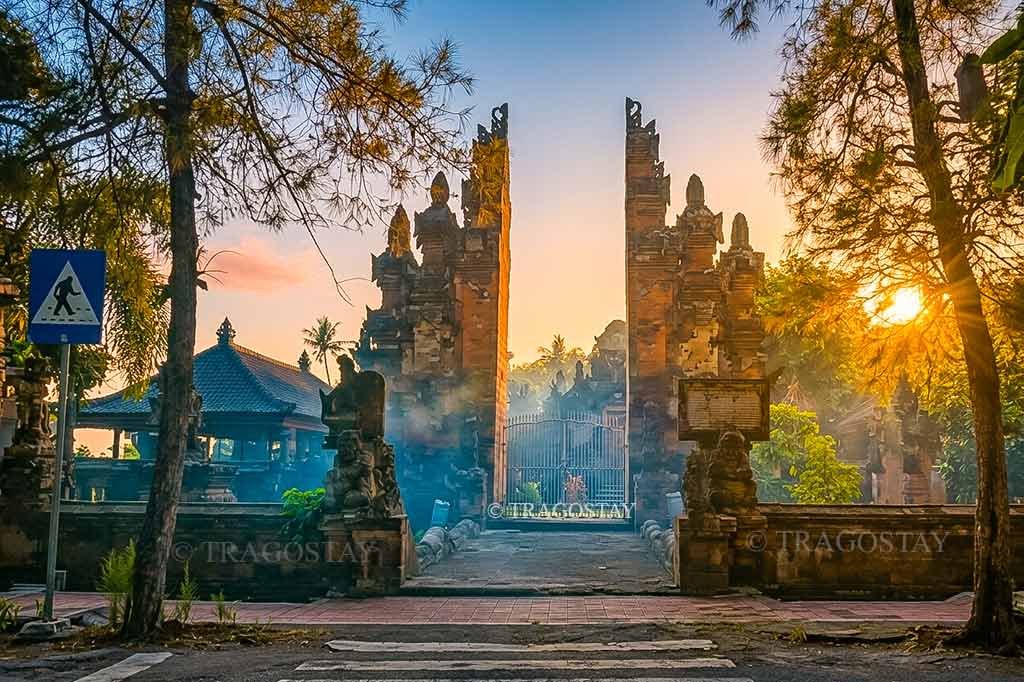
Furthermore, the temple remains relatively quiet, allowing you to admire the symmetrical beauty of the split gates without the pressure of large crowds. You will find that the artistic energy of this place is truly unique among the many Ancient Temples in Bali.
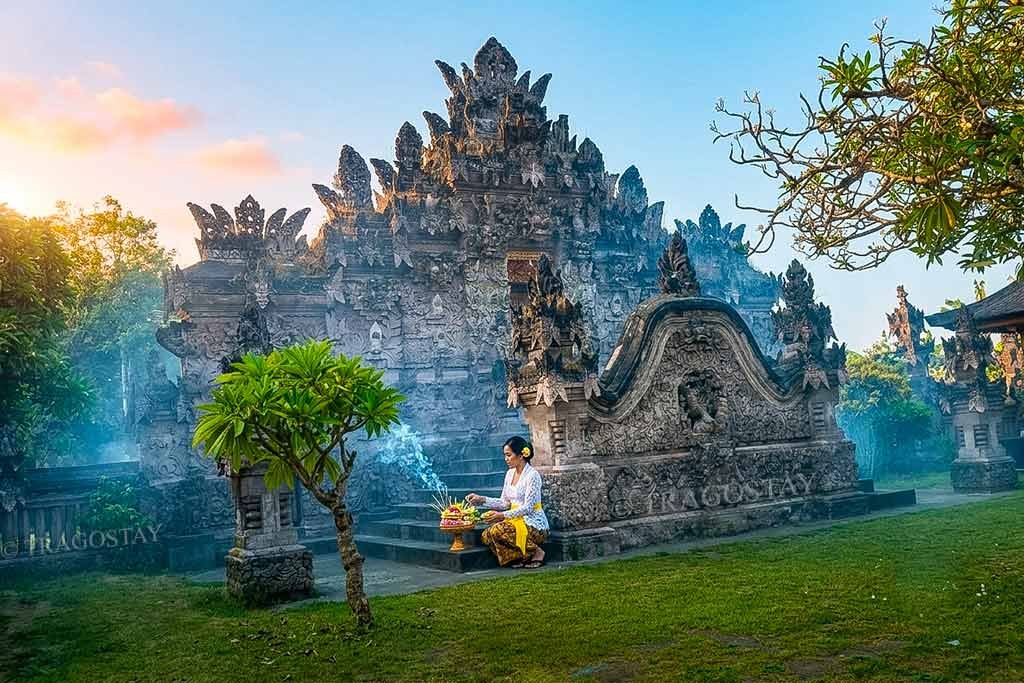
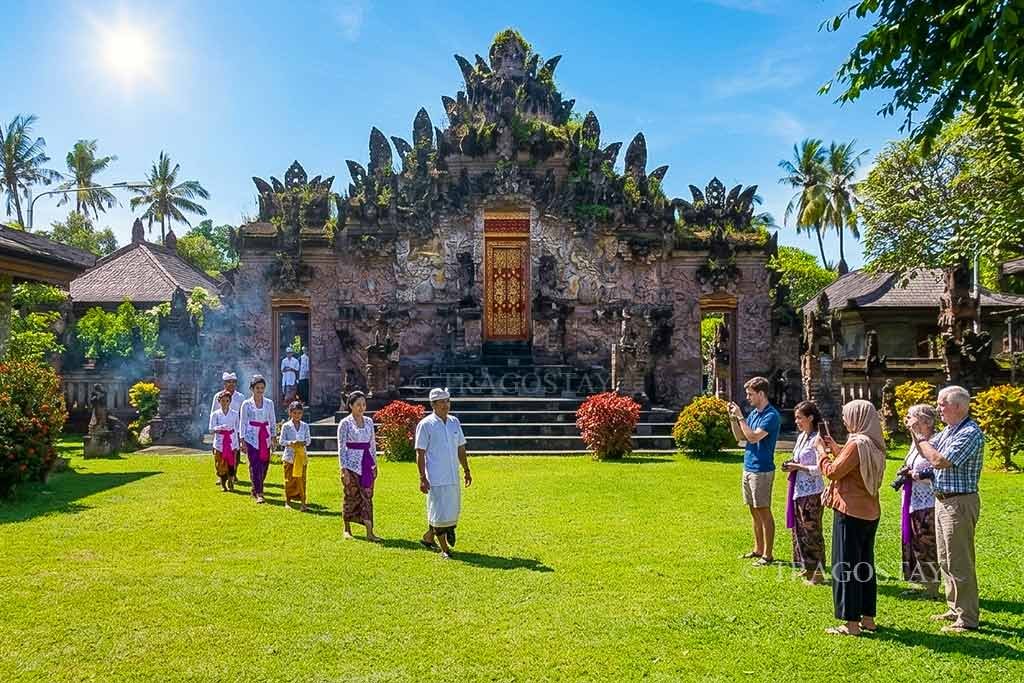
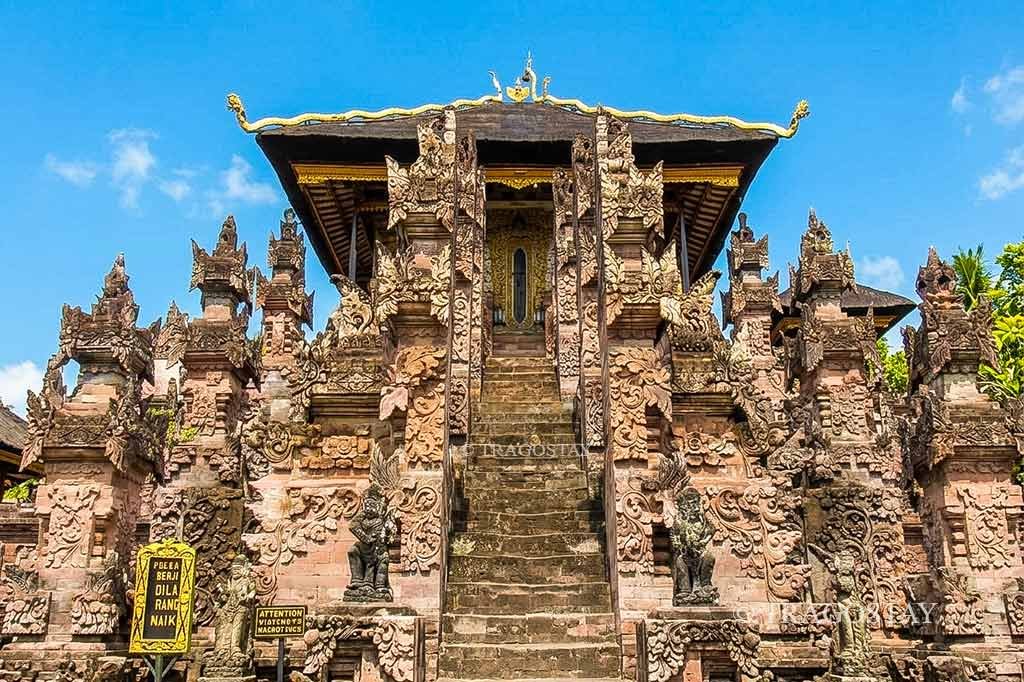
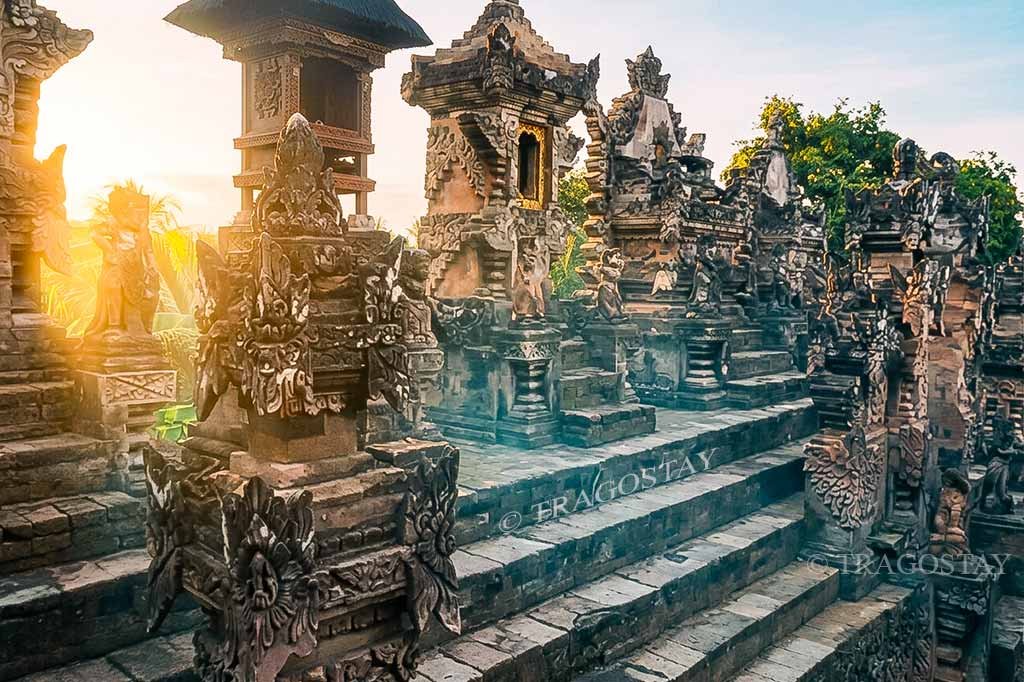
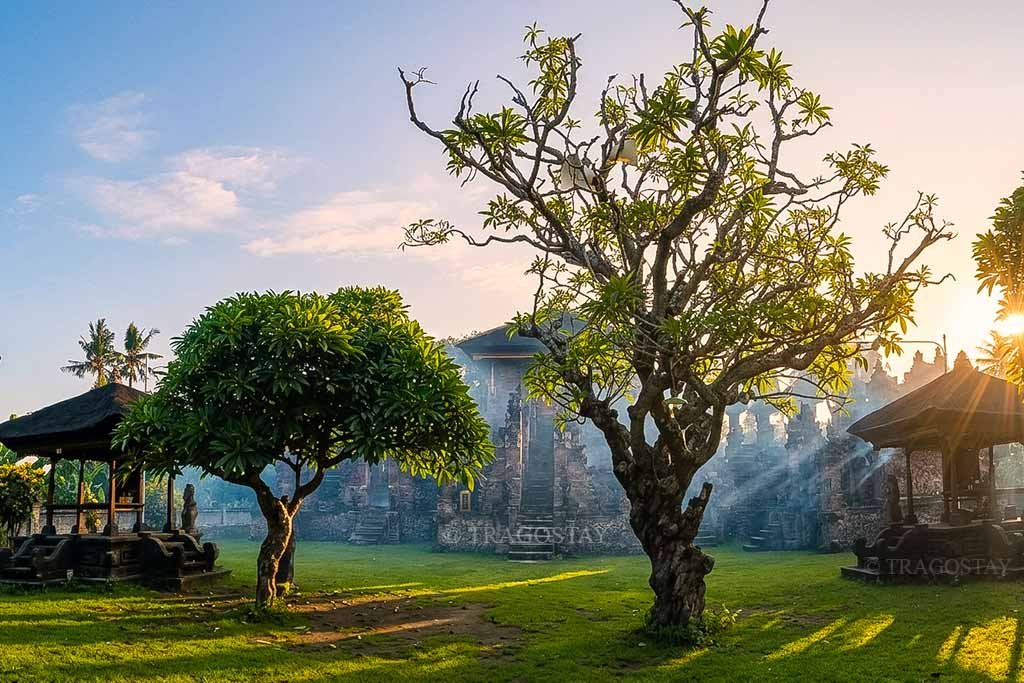
The temple is primarily dedicated to Dewi Sri, the revered goddess of rice and fertility in Balinese Hinduism. You will find that the carvings often depict agricultural themes to reflect the gratitude of the local farming community. Specifically, the history of this site is closely linked to the subak irrigation system that has sustained Sangsit for generations. Furthermore, the spiritual energy of this Ancient Temples in Bali location is believed to ensure a bountiful harvest for all.
Historians often categorize the architecture of this temple as “Buleleng Baroque” because of its highly decorative and flamboyant nature. You will notice that the carvings are much more crowded and detailed than those found in Gianyar or Badung. Specifically, this style emerged during the 15th century as a distinctive cultural identity for the northern kingdoms of Bali. Furthermore, this artistic boldness makes Beji one of the most recognizable Ancient Temples in Bali for scholars and photographers alike.
The primary function of this temple is to serve as the spiritual headquarters for the local subak or irrigation cooperative. You will find that farmers gather here to perform specific rituals that ensure the water flows fairly to every rice field. Specifically, the temple acts as a sacred bridge between the physical labor of farming and the divine blessings of nature. Furthermore, it is a place where the community reaffirms its commitment to the Tri Hita Karana philosophy of harmony.
Beyond agriculture, the temple serves as a vibrant center for various religious festivals and traditional Balinese anniversary celebrations known as Odalan. You can witness the local villagers dressing in their finest traditional attire to bring colorful offerings to the main shrines. Specifically, the inner courtyard becomes a stage for sacred dances and gamelan music that echo through the stone walls. Furthermore, these events preserve the living culture that makes Ancient Temples in Bali such a fascinating subject for travelers.
The stone carvings at this temple are so dense that they leave almost no empty space on the walls. Specifically, the floral patterns and mythical creatures are rendered with such precision that they appear to be alive. This level of detail is rarely matched by other Ancient Temples in Bali.
The Candi Bentar or split gateway is perfectly balanced and serves as a magnificent entrance to the second courtyard. You will notice how the intricate carvings on both sides mirror each other to create a sense of divine order. This architectural symmetry is a signature feature of high-quality Ancient Temples in Bali.
Unlike the famous temples in the south, Beji offers a quiet and contemplative environment for every visitor. You can take your time to photograph the details without waiting in long lines or dealing with heavy traffic. This peacefulness makes it a top choice among the Ancient Temples in Bali for solo travelers.
The main entrance gate is a towering structure that symbolizes the splitting of the holy mountain to allow passage. You will see carvings of demons and guardians that are meant to filter out negative energies before you enter. Specifically, the height of the gate reflects the importance of the temple within the hierarchy of the Buleleng regency. Furthermore, the perspective from the gate looking into the courtyard is one of the most iconic views in Ancient Temples in Bali.
Throughout the three courtyards, you will find various statues depicting gods, heroes, and terrifying mythical monsters from Hindu epics. You should look closely at the “Boma” heads carved above the doorways, which serve as protectors against evil spirits. Specifically, these statues are carved with exaggerated features to emphasize their supernatural power and role in the temple. Furthermore, the presence of these guardians adds a layer of mystery and depth to this Ancient Temples in Bali site.
The Jeroan, or inner courtyard, is the most sacred part of the complex where the main shrines are located. You will find the Meru towers with their thatched roofs representing the dwelling places of the gods and ancestors. Specifically, the base of these shrines is covered in the same elaborate floral carvings that define the entire temple. Furthermore, the stillness of the inner sanctum provides a perfect environment for those who wish to offer a quiet prayer.
The best time to visit Beji Temple is during the early morning or late afternoon when the sun is at a lower angle. You will find that the soft light enhances the textures of the pink sandstone and creates deep shadows in the carvings. Specifically, the morning air is much cooler, making it easier to explore the outdoor courtyards without the midday heat. Furthermore, arriving early helps you capture the most popular views in this Ancient Temples in Bali without other people in your shots.
As with all sacred sites in Bali, you are required to wear a sarong and a sash to cover your lower body. You should ensure that your shoulders are also covered and avoid wearing revealing clothing out of respect for the local worshippers. Specifically, it is important to walk mindfully and avoid stepping directly in front of people who are in the middle of prayer. Furthermore, following these simple rules ensures that Ancient Temples in Bali remain welcoming spaces for both locals and international tourists.
You can find more detailed guides on other Bali Tourist Attractions through our main category page.
Visitors are generally asked for a small donation or a fixed ticket fee that supports the maintenance of the stone carvings. This contribution is essential for the village to preserve the delicate sandstone structures from the effects of tropical weather.
You are usually allowed to enter during ceremonies as long as you remain quiet and stay at the back of the courtyard. However, you should avoid using flash photography or walking through the middle of the priests while they are performing rituals.
The temple grounds are relatively flat, although there are some high stone steps at the main gateways that might be challenging. Most of the carvings and the outer courtyards can still be seen without having to climb many stairs.
The drive from Lovina to Sangsit takes approximately twenty to thirty minutes depending on the local traffic conditions in Singaraja. It is a very straightforward route along the main northern coastal road that offers views of the sea.
While there are no official guides stationed at the gate, many local residents are happy to share stories about the carvings. If you want a deep historical explanation, it is better to hire a private guide before you arrive.
The carvings here are much more “crowded” and feature floral motifs that are specific to the northern Buleleng artistic tradition. This “Baroque” style is much more experimental and dense compared to the more classical and restrained styles found in Ubud.
Log in
Don't have an account? Register
Please enter your username or email address. You will receive a link to create a new password via email.
Register with your email
Do you already have an account? Log In
Log in
Don't have an account? Register
Please enter your username or email address. You will receive a link to create a new password via email.
Register with your email
Do you already have an account? Log In