

Trunyan Village is one of the most mysterious and culturally fascinating destinations located on the isolated eastern shore of Lake Batur. Known for its unique treatment of the deceased, this ancient settlement offers a glimpse into a side of Balinese culture that is vastly different from the rest of the island. Many visitors are drawn to this place because of the legendary Trunyan Cemetery, where bodies are not buried or cremated but laid out openly under a sacred tree. Therefore, you should consider visiting this village if you are interested in deep history and the ancient spiritual customs of the Indonesian archipelago.
This community is recognized as a Bali Aga Village, meaning they are the “original” Balinese people who existed before the arrival of the Majapahit Kingdom. You will find that this site is one of the most intriguing Bali Tourist Attractions for those who enjoy dark tourism and cultural anthropology. The most famous aspect of the village is the ancient burial tradition in Bali that allows bodies to decompose naturally without any unpleasant odor. Furthermore, the village is only accessible by boat across the vast Lake Batur, adding an extra layer of adventure to your journey. Consequently, a visit to Trunyan Village provides a profound and unforgettable perspective on the cycle of life and death.
The core of the mystery surrounding the Trunyan Cemetery lies in a massive, ancient tree known as the “Taru Menyan.” The name of the village itself is derived from this tree, which literally translates to “fragrant tree” in the local dialect. According to local beliefs, this sacred tree possesses a unique biological property that neutralizes the smell of decomposing bodies. Because of this natural phenomenon, the villagers have maintained their open-air burial ritual for over a thousand years.
When you visit the Trunyan Cemetery, you will see bodies laid inside bamboo cages underneath the canopy of this giant tree. Despite the presence of several remains in various stages of decomposition, there is no scent of decay in the air. This ancient burial tradition in Bali relies entirely on the Taru Menyan to mask the odor and keep the site spiritually clean. This biological marvel is what makes the village a subject of fascination for scientists and travelers from all around the world.
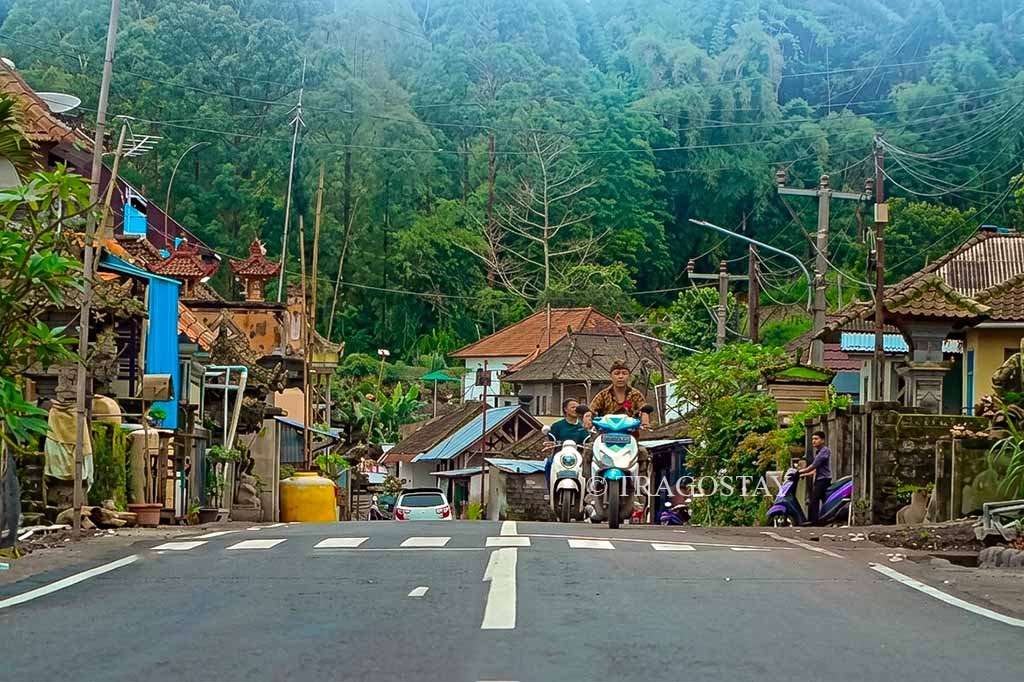
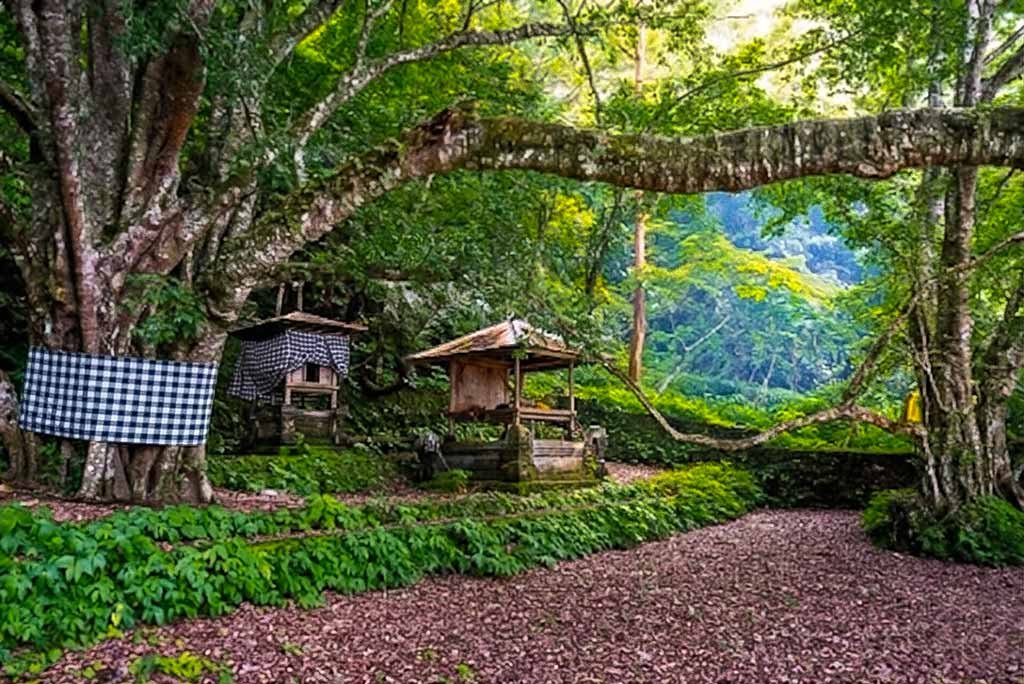
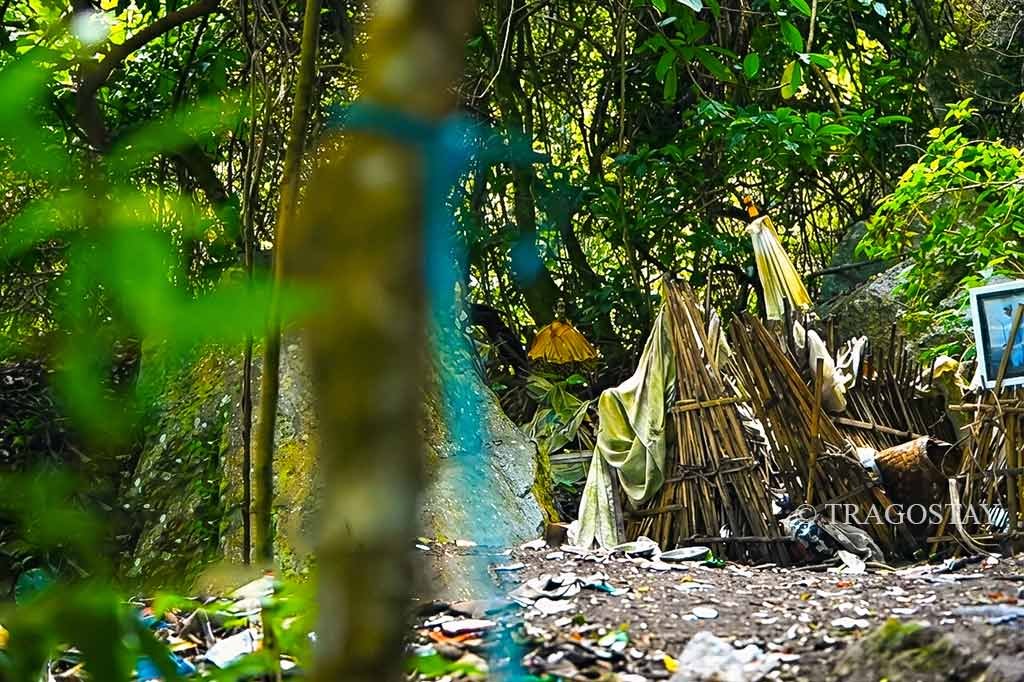
As a Bali Aga Village, the social and religious life in Trunyan is governed by strict laws that predate the more common Balinese Hindu traditions. They have their own dialect, traditional dances, and a unique temple architecture that you won’t find in Ubud or Kuta. The villagers believe that they are the direct descendants of the mountain gods and have a responsibility to protect their ancestral lands. This strong sense of identity has allowed them to preserve their ancient ways for many centuries.
The community follows a rigid hierarchy that determines who is allowed to be placed in the sacred cemetery. Only those who were married and died of natural causes are granted the privilege of being laid under the Taru Menyan tree. Those who were single or died in accidents are buried in a different location nearby. This structured approach to death reflects the deep-rooted spiritual values of this Bali Aga Village. Therefore, understanding these rules is essential for any visitor who wants to show proper respect to the local residents.
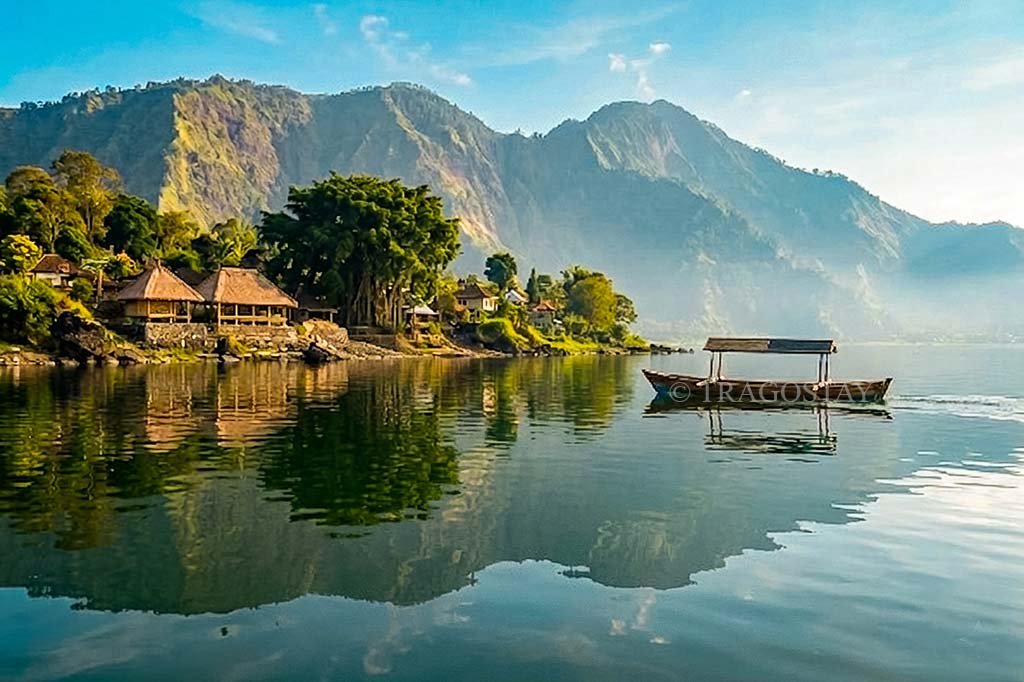
You should visit this location because it offers a truly rare opportunity to witness a living prehistoric culture that is slowly fading away. It is a place that challenges your perceptions and encourages a deeper reflection on human existence and our connection to nature. Additionally, the boat ride across Lake Batur provides stunning views of Mount Batur and the surrounding volcanic caldera. This destination is perfect for travelers who are looking for something far beyond the typical “tourist traps” of southern Bali.
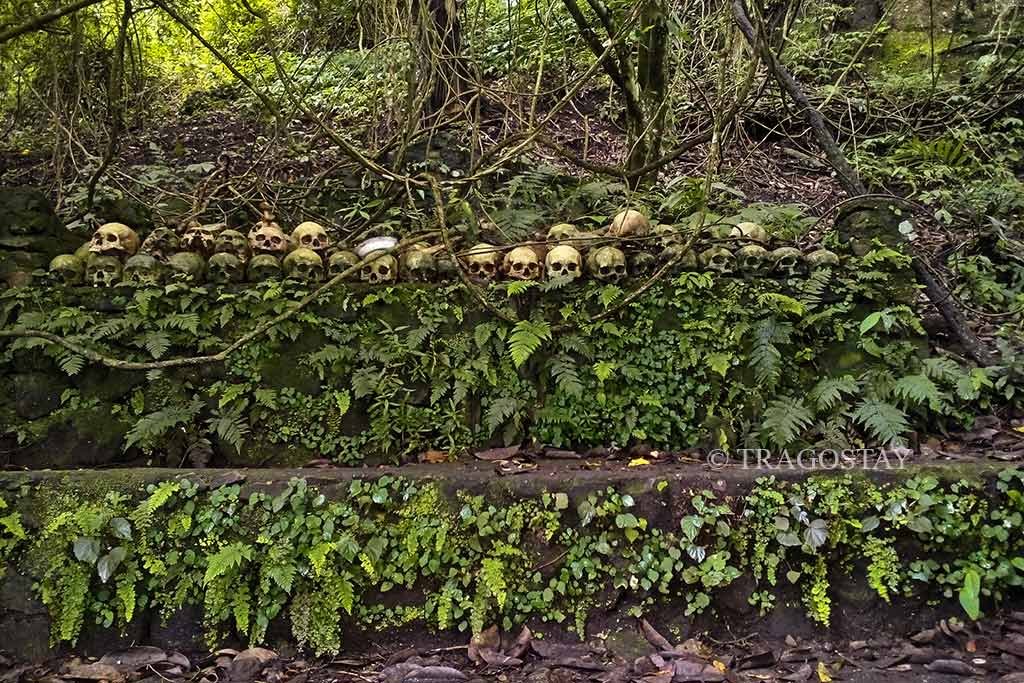
Another reason to visit is to see the collection of human skulls and bones that are neatly arranged at the cemetery site. While it may seem macabre to some, for the locals, it is a way to honor their ancestors and keep their spirits close to the community. As a premier ancient burial tradition in Bali site, it provides a visual history of the generations that have lived on the shores of the lake. Thus, Trunyan Village is a mandatory stop for history buffs and those seeking a truly unique and raw cultural encounter.
The adventure begins at the Kedisan or Toya Bungkah piers, where you must hire a traditional wooden boat to cross the lake. The trip takes about 20 to 30 minutes, during which you can enjoy the cool mountain air and the dramatic mountain scenery. Upon reaching the village, you will be met by local guides who will lead you to the sacred cemetery, which is located a short distance away by boat from the main village.
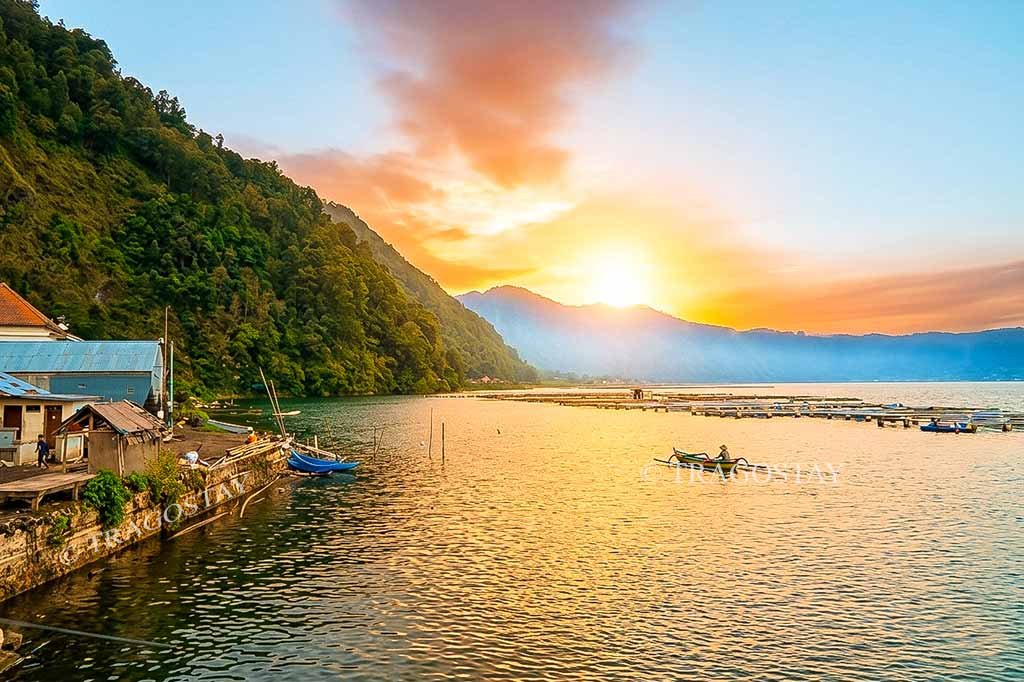
During the boat ride, you can see the floating fish farms and the daily activities of the lake-dwelling people. The water is usually calm in the morning, making it the best time for the crossing. However, the wind can pick up in the afternoon, creating small waves that might make the ride a bit bumpy. Therefore, having a local boatman is essential to ensure a safe and smooth journey to this isolated Bali Aga Village.
You should dress modestly and behave quietly when entering the Trunyan Cemetery area. Since this is a place of rest for the ancestors, it is important to avoid making loud noises or touching any of the remains. Furthermore, it is customary to bring a small donation or an offering to show respect to the spirits of the deceased. Your guide will usually help you prepare these small tokens of appreciation before you enter the sacred zone.
Please be aware that the price for the boat ride and the local guide can vary, so it is best to agree on a price before you start your journey. You should also be prepared for a very rustic and raw environment, as the village does not have modern tourist amenities. Respect the privacy of the villagers and always ask for permission before taking photographs of the people or their homes. Finally, keep an open mind and a respectful heart to fully appreciate the unique beauty of this ancient burial tradition in Bali.
While the sight of skulls and bones might be unusual, the atmosphere is actually quite peaceful and respectful. Most visitors find it more culturally enlightening than frightening once they understand the spiritual meaning behind the tradition.
The sacred Taru Menyan tree is believed to have natural aromatic properties that absorb and neutralize the scent of decay. This allows the bodies to be placed above ground without creating an unpleasant environment for the visitor
While there is a small, narrow road that leads to the village, it is very difficult to navigate and often closed. Taking a boat from Kedisan is the standard and safest way to reach both the village and the cemetery.
Yes, you are generally allowed to take photos of the cemetery and the skull arrangements for personal memory. However, you should always do so with a respectful attitude and avoid disturbing the placement of the remains.
The best time to visit is in the morning when the lake is calm and the lighting is clear for photography. Arriving early also helps you avoid the heat of the midday sun during the boat ride.
Log in
Don't have an account? Register
Please enter your username or email address. You will receive a link to create a new password via email.
Register with your email
Do you already have an account? Log In
Log in
Don't have an account? Register
Please enter your username or email address. You will receive a link to create a new password via email.
Register with your email
Do you already have an account? Log In