

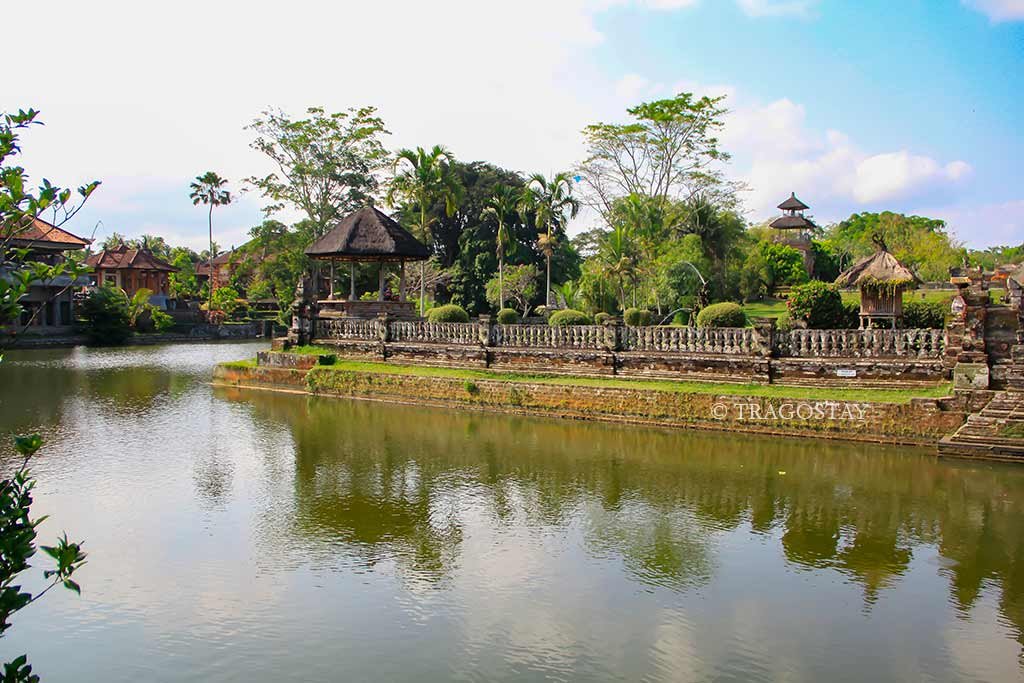
Taman Ayun Temple stands as one of the most magnificent examples of royal architecture on the island of Bali. This historic site is located in the Mengwi district of the Badung Regency. Moreover, it serves as a primary spiritual landmark for the local community and also international visitors. The name itself translates to “Beautiful Garden,” which perfectly describes the serene atmosphere of the entire complex. Furthermore, the temple is famous for its unique layout that is completely surrounded by a wide water moat. Therefore, many people consider it the most beautiful water temple in the central region of Bali. You will find a perfect blend of history, spirituality, and also stunning landscape design here.
The history of this majestic site dates back to the mid-17th century during the Mengwi dynasty. Specifically, King I Gusti Agung Putu built the temple in 1634 to honor his royal ancestors. He wanted a place where the royal family could pray without traveling to distant mountain temples. Consequently, the temple functions as a “mother temple” for the people of the ancient Mengwi Kingdom. Moreover, the site has undergone several major renovations to preserve its original beauty and also structural integrity. Therefore, the complex looks remarkably well-preserved despite being hundreds of years old.
The spiritual significance of the temple remains very strong among the modern Balinese Hindu community. They believe that the site acts as a bridge between the human world and also the divine realm. Furthermore, the architecture reflects the cosmic mountain of Meru, which is central to Hindu mythology. Each building within the grounds has a specific purpose and also a deep symbolic meaning. Consequently, walking through the gates feels like stepping back in time to the golden age of Balinese royalty. This rich heritage makes it an essential stop for anyone interested in the island’s royal past.
Taman Ayun Temple gained international recognition when UNESCO designated it as a World Heritage site in 2012. This honor was given because the temple is a key part of the Balinese “Subak” irrigation system.
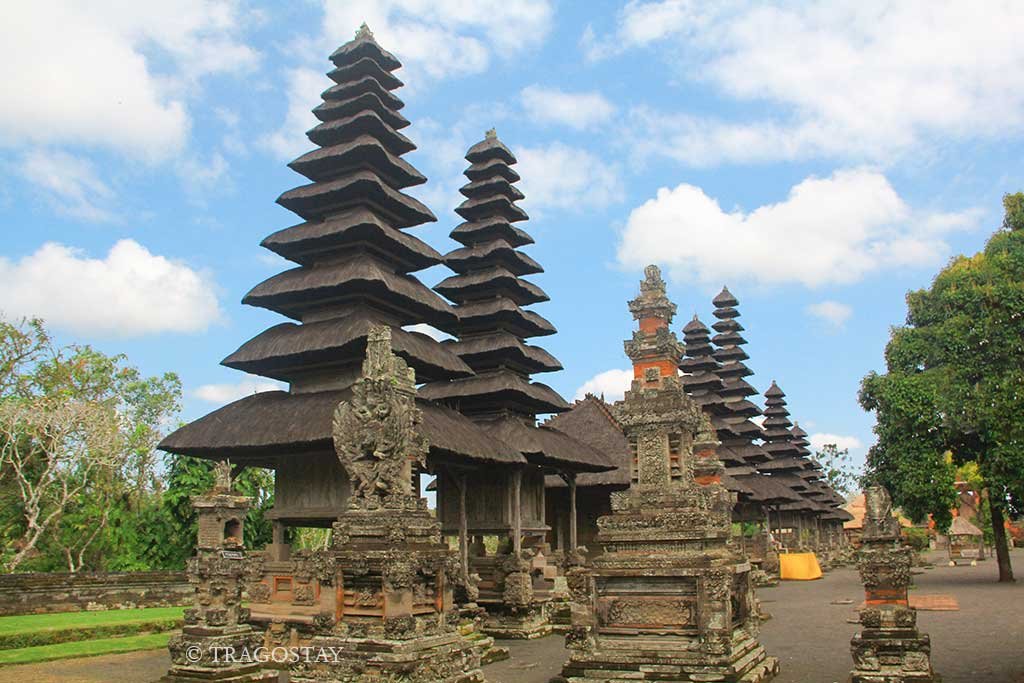
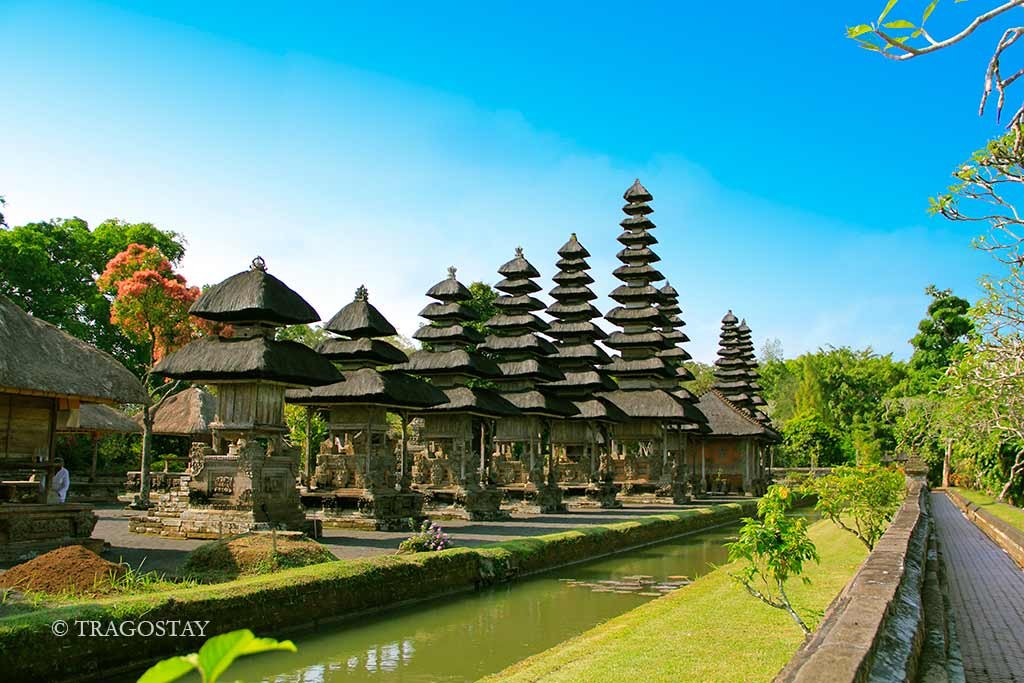
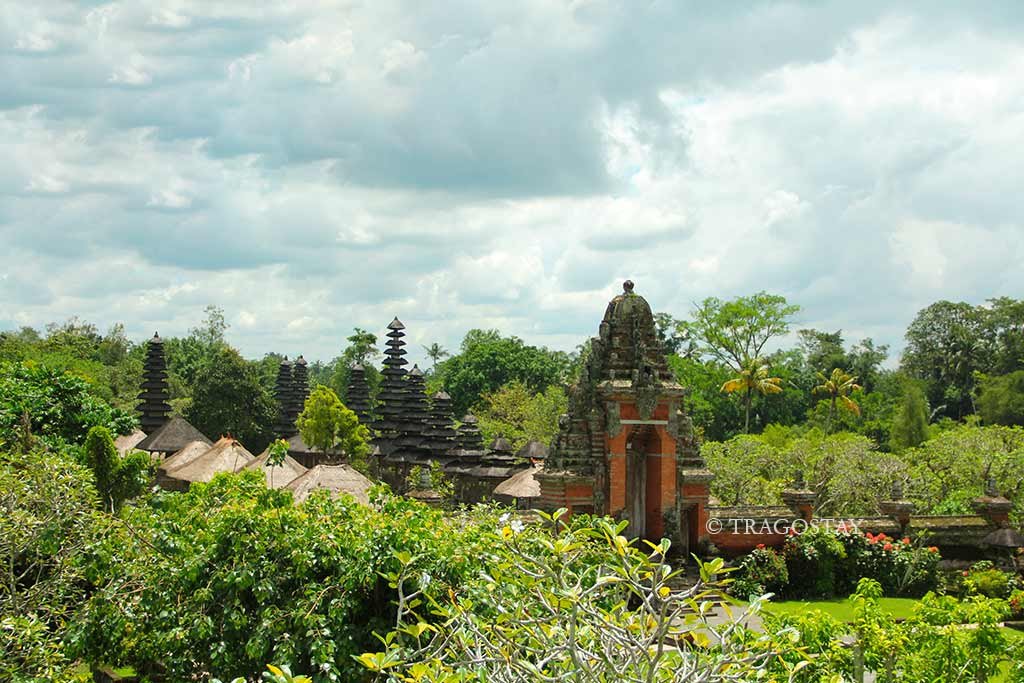
The most iconic features of the temple are the soaring multi-tiered roofs known as Meru towers. These structures represent the various levels of heaven and also the dwelling places of the gods. You can see towers with different numbers of tiers ranging from three up to eleven levels. Moreover, the roofs use dark palm fibers that create a very striking silhouette against the tropical sky. Therefore, these towers are the primary focus for photographers and also students of traditional Bali temple architecture. They demonstrate the peak of Balinese craftsmanship and also aesthetic balance.
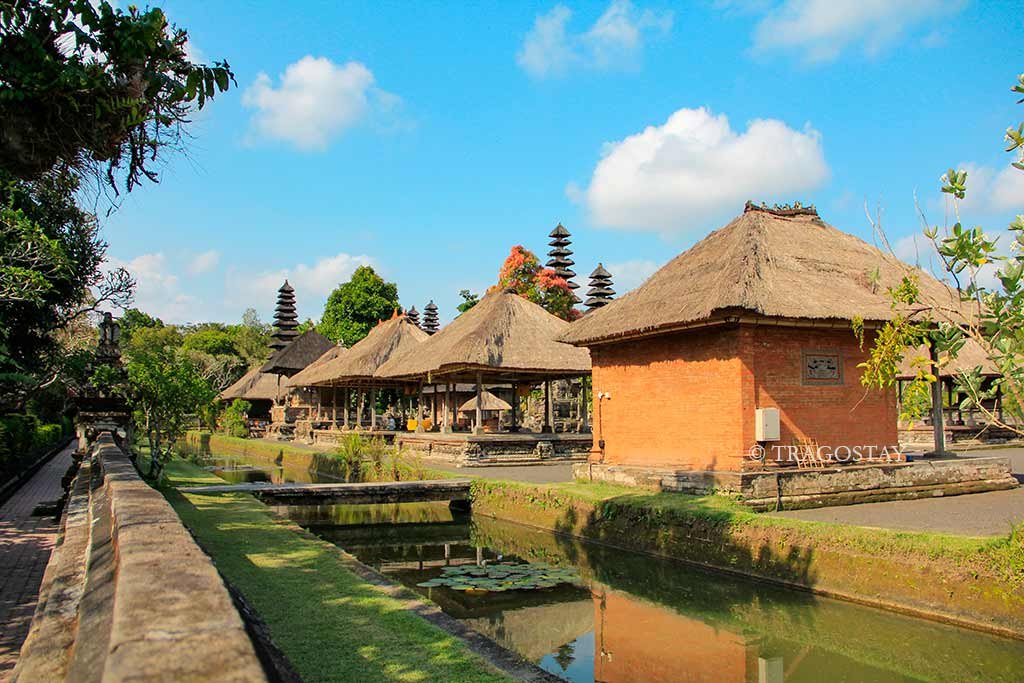
The temple is deeply integrated into the ancient Subak system which manages water for the surrounding rice fields. Specifically, the wide moat that encircles the temple acts as a central water reservoir for the local farmers. This system represents the harmony between humans, nature, and also the spiritual world. Furthermore, the flow of water around the temple symbolizes the eternal cycle of life and also purification. Consequently, UNESCO recognized this site as a living testament to sustainable agricultural practices that have lasted for centuries. Therefore, the temple is not just a monument but also a functional part of the island’s ecology.
The spiritual life at Taman Ayun Temple is very vibrant and follows the ancient Balinese calendar. Every 210 days, the community gathers to celebrate the “Odalan” or the temple’s anniversary ceremony. During this time, the entire complex is decorated with colorful banners and also intricate fruit offerings. Moreover, thousands of devotees come to pray while dressed in their finest traditional Balinese attire. This ceremony is a very powerful display of faith and also communal cooperation. Furthermore, the sounds of the traditional gamelan orchestra fill the air throughout the day and also the night.
If you visit during a ceremony, you will witness the living traditions of the Mengwi people. They perform various rituals and also sacred dances to welcome the arrival of the gods. Furthermore, the atmosphere becomes very festive yet remains deeply respectful and also orderly.
Consequently, it provides a rare opportunity to see Balinese culture in its most authentic and also colorful form. However, visitors must remember to follow the local rules regarding dress codes and also photography during these times. Therefore, experiencing a Taman Ayun Temple ceremony is often the highlight of a trip to the island.
The complex follows the traditional “Tri Mandala” concept which divides the land into three distinct zones. The first zone is the “Nista Mandala,” which is the outer courtyard used for public gatherings and also festivals. Here, you can find a beautiful garden and also an open pavilion for the gamelan musicians. Furthermore, the wide moat begins in this section and creates a natural barrier from the outside world. Consequently, the transition from the busy street to the quiet garden feels very peaceful and also refreshing.
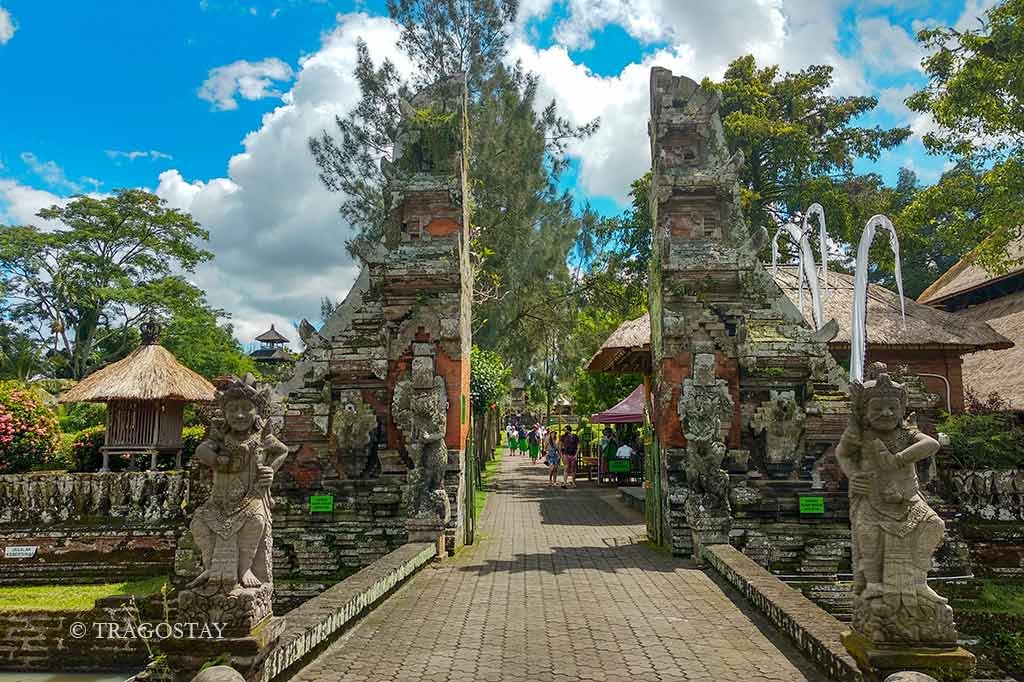
The middle zone is called the “Madya Mandala,” where you will find the historic “Candi Bentar” or split gates. These gates are beautifully carved with traditional motifs that tell stories from ancient Hindu epics. Moreover, there is a small pond with a water fountain that symbolizes the purification of the soul. After passing through the middle court, you reach the “Utama Mandala” or the inner sanctum. This is the most sacred area where the Meru towers are located. Furthermore, tourists are not allowed to enter the inner court but can view it from a surrounding walkway. Therefore, you can see all the shrines clearly without disturbing the sanctity of the prayer areas.
If you have extra time, there are many interesting things to do in Mengwi after exploring the temple.
Located just a short walk from the temple, this museum houses a collection of giant mythological statues. These statues are traditionally carried through the streets on the night before the Nyepi day of silence. Moreover, the museum explains the meaning behind each creature and also the artistic process of making them. Therefore, it is a great place to learn about the more dramatic and also artistic side of Balinese beliefs.
The gardens around Taman Ayun are perfectly manicured and also offer many great spots for photography. You can walk along the outer moat and enjoy the view of the lotus flowers and also the fish. Furthermore, the tall trees provide plenty of shade for a relaxing stroll during the warm afternoon. Consequently, many visitors spend an hour just enjoying the landscape and also the quiet sounds of nature. Therefore, it is a perfect destination for those who want to avoid the massive crowds of other tourist spots.
The best time to visit Taman Ayun Temple is early in the morning before the tour buses arrive. Arriving around 8:30 AM allows you to enjoy the soft morning light and also the cool temperature. Moreover, the temple is less crowded at this time, which makes your visit feel more personal and also spiritual. Alternatively, the late afternoon around 4:30 PM is also a wonderful time for photography. Furthermore, the golden hour light creates a beautiful glow on the dark Meru towers and also the water moat.
The location in Mengwi is very convenient for those staying in Ubud, Canggu, or even the Seminyak area. You can easily reach the temple in about 30 to 45 minutes by car or also by scooter. Furthermore, the roads leading to Mengwi are generally in good condition and pass through many scenic rice fields. Consequently, the journey itself is a pleasant experience that showcases the rural beauty of the island. Therefore, you can easily combine a visit here with other attractions in the central or northern regions.
You can expand your itinerary by visiting several other famous Bali tourist attractions near Mengwi.
Because these sites are relatively close, you can visit all of them in a single day trip from the south. Many travelers choose to start at Taman Ayun and then head north toward the cooler mountain regions.
Furthermore, the route provides many opportunities to stop at local markets and also scenic viewpoints. Consequently, you will get a very comprehensive experience of Bali’s diverse landscapes and also its ancient culture. Therefore, Mengwi serves as a perfect gateway to the many wonders of the central highlands.
Log in
Don't have an account? Register
Please enter your username or email address. You will receive a link to create a new password via email.
Register with your email
Do you already have an account? Log In
Log in
Don't have an account? Register
Please enter your username or email address. You will receive a link to create a new password via email.
Register with your email
Do you already have an account? Log In