

Puputan Margarana Memorial Monument stands as a solemn and powerful reminder of the ultimate sacrifice made by Balinese freedom fighters during the Indonesian National Revolution. Located in the quiet village of Marga within the Tabanan Regency, this sprawling complex commemorates the historic battle that took place on November 20, 1946. You will immediately sense a deep atmosphere of patriotism and respect as you walk through the grand Balinese gates of the memorial park. Consequently, this site serves as one of the most significant historical Bali Tourist Attractions for those who wish to understand the true price of the island’s liberty.
If you appreciate military history and sacred architecture, this national monument offers a profound experience that differs greatly from the typical tourist trail. Most visitors feel a surge of inspiration when they learn about the courage of the local soldiers who faced overwhelming odds. Therefore, it provides a meaningful destination for families, students, and travelers who value education alongside sightseeing. Furthermore, the beautifully landscaped gardens offer a peaceful environment for quiet reflection and contemplation. This guide will help you explore the heroic legacy, the architectural symbolism, and the practical details of visiting this sacred landmark.
Puputan Margarana Memorial Monument honors the memory of Colonel I Gusti Ngurah Rai, the legendary commander of the Indonesian forces in Bali. First, Ngurah Rai organized a disciplined military unit known as the Ciung Wanara to resist the return of Dutch colonial forces after World War II. Historically, he is remembered for his unwavering loyalty to the newly proclaimed Republic of Indonesia. Additionally, his leadership united local villagers and trained soldiers under a single banner of independence. Most historians consider him the soul of the Balinese resistance movement during this turbulent era.
The word “Puputan” refers to a Balinese tradition of fighting to the very end, preferring death over the humiliation of surrender. During the morning of November 20, 1946, the Dutch military surrounded the Ciung Wanara forces in the cornfields of Marga. Furthermore, the colonial army utilized superior weaponry and air support to pin down the Indonesian defenders. Despite the desperate situation, Ngurah Rai ordered his men to launch a final, all-out charge against the enemy. Consequently, all 96 soldiers in his unit perished in the field, cementing their status as national martyrs. This event remains a pivotal moment in the history of the Indonesian struggle for sovereignty.

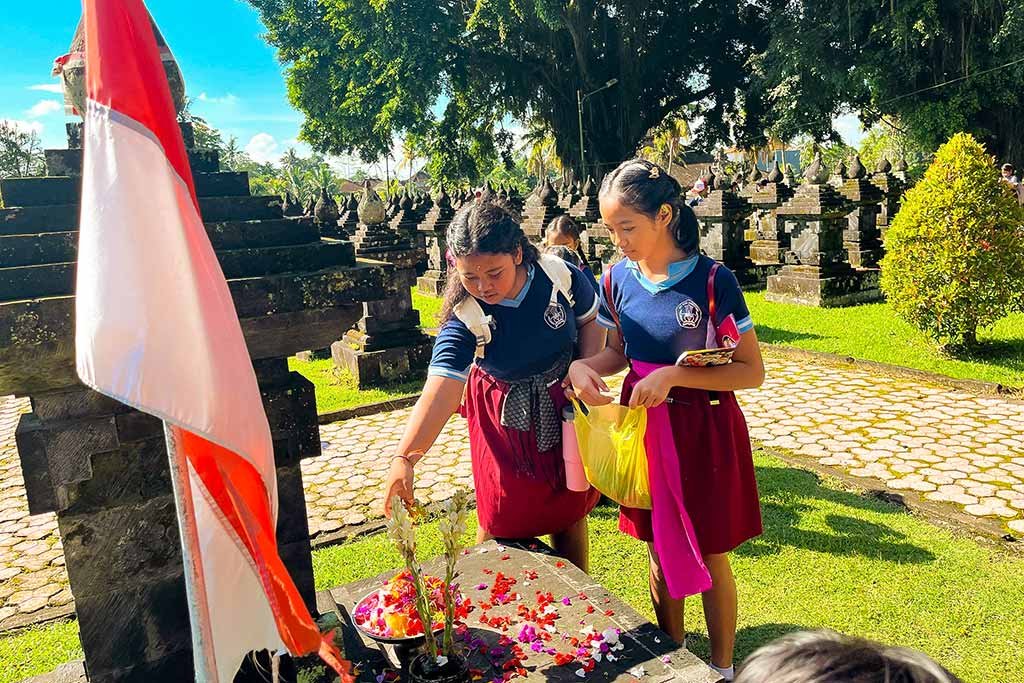
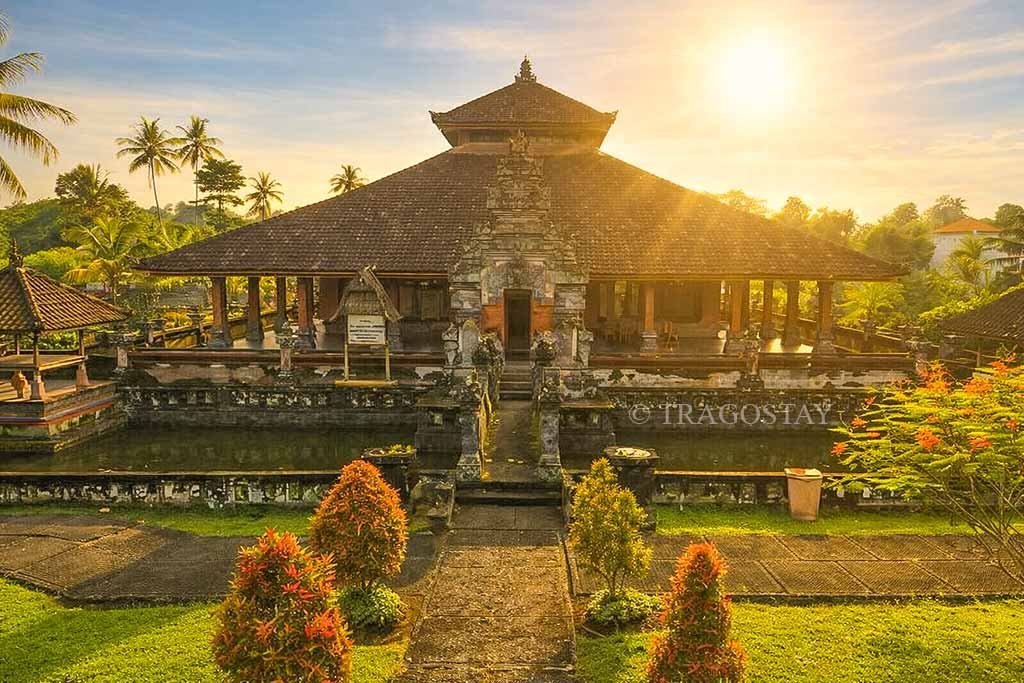
Puputan Margarana Memorial Monument functions primarily as a sacred burial ground and a memorial for the fallen. Inside the complex, you will find the “Makam Pahlawan” or the Hero’s Cemetery, which houses the remains of those who died in the battle. Every headstone represents a life given for the sake of future generations. Furthermore, the central monument serves as a spiritual anchor where visitors can offer prayers and flowers. Therefore, the site acts as a bridge between the past and the present, ensuring that the names of the brave are never forgotten.
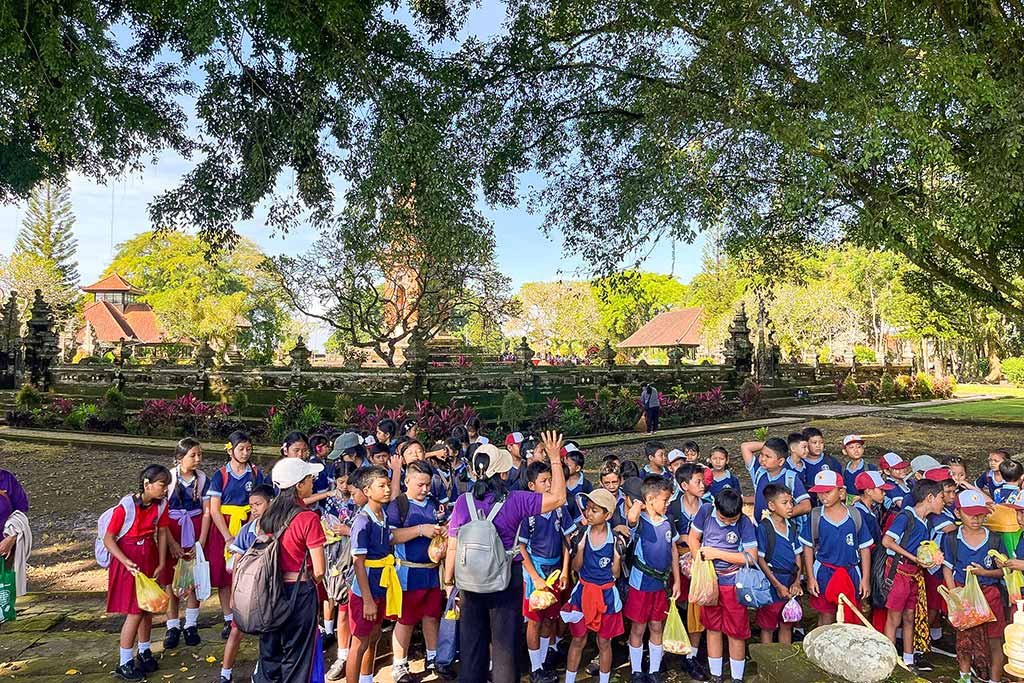
Another vital function of the memorial involves educating the public about the importance of national unity. Schools from all over Bali frequently organize field trips to this site to teach students about the values of sacrifice and bravery. Because the complex includes a museum and detailed reliefs, it provides a visual and tangible way to learn about the revolution. Many people find that seeing the actual artifacts used in the battle brings the history books to life. Indeed, the monument serves as an outdoor classroom for anyone interested in the political evolution of modern Indonesia.
Furthermore, the monument plays a central role in official state ceremonies every year. On the anniversary of the battle, November 20, government officials and military veterans gather here to pay their respects. You will see colorful parades, traditional Balinese offerings, and formal wreath-laying ceremonies during this time. These events reinforce the bond between the people and their history. Consequently, the site remains a living monument that continues to inspire pride in the hearts of the Balinese people. Most visitors who attend these ceremonies describe the experience as incredibly moving and powerful.
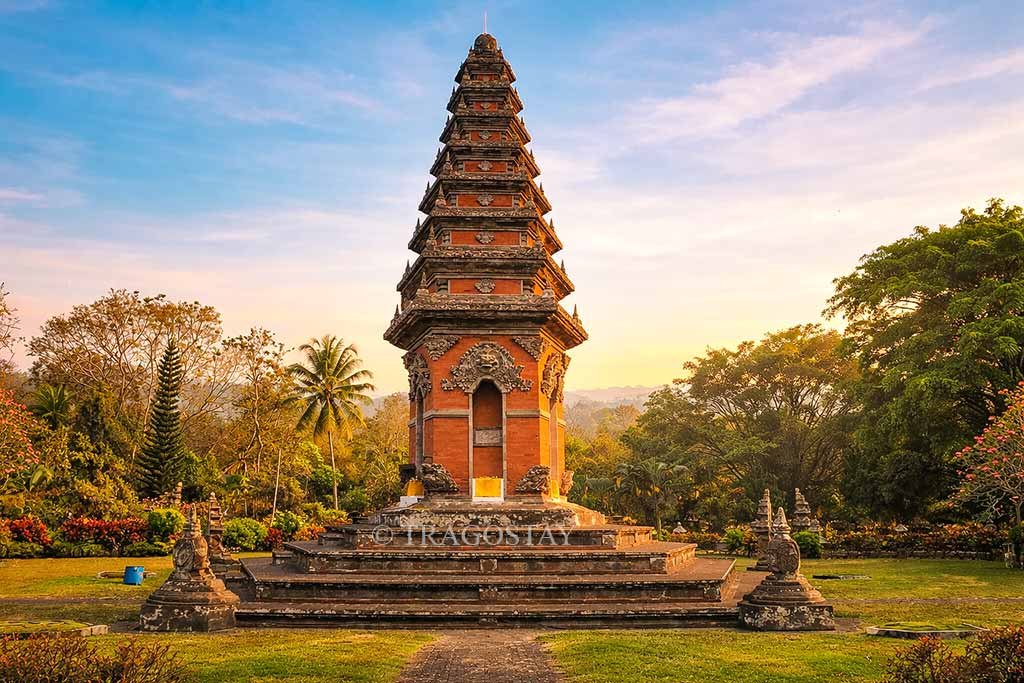
Puputan Margarana Memorial Monument features a magnificent central tower, known as the Candi Pahlawan, which stands 17 meters tall. First, the height of the tower symbolizes the date of Indonesia’s independence, August 17. The architecture follows traditional Balinese principles, incorporating intricate stone carvings and a multi-tiered roof. Additionally, the base of the monument features eight corners, representing the month of August. This level of symbolic detail makes the structure a masterpiece of both art and engineering. You will certainly find that the monument provides a spectacular subject for architectural photography.
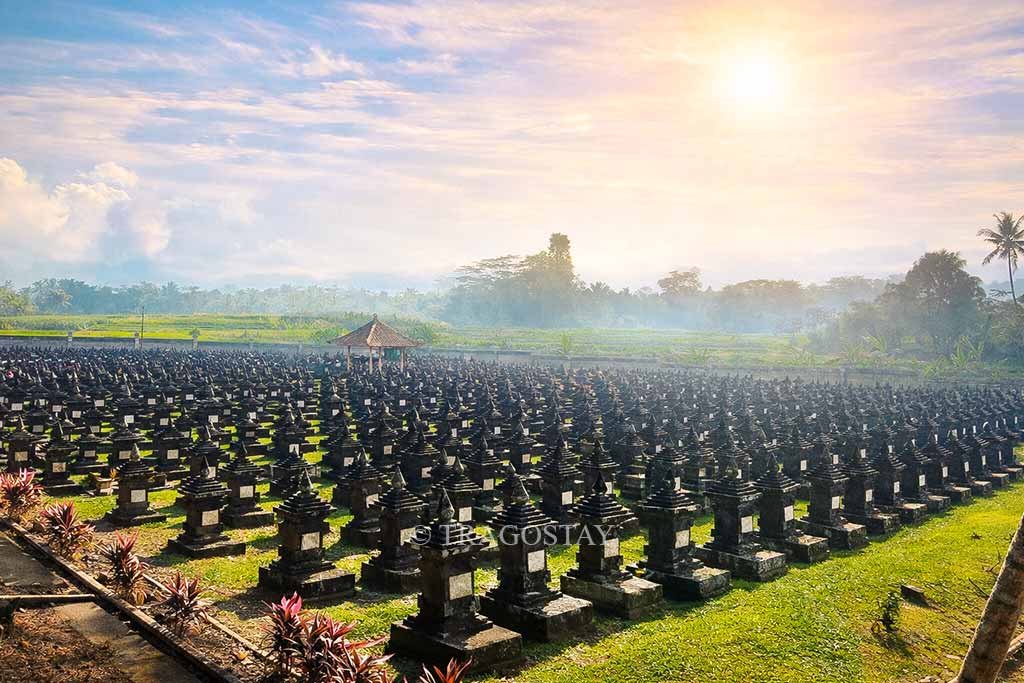
Walking through the Hero’s Cemetery provides a unique and humbling perspective on the human cost of war. You will notice 1,372 small stone monuments arranged in perfect rows across the green lawn. Each stone bears the name of a fallen soldier, including the prominent grave of I Gusti Ngurah Rai at the front. Furthermore, the uniform design of the graves emphasizes the equality of the soldiers in their sacrifice. This area remains incredibly quiet, allowing you to reflect on your own life and the freedoms you enjoy today. Therefore, it is a place for silence and deep contemplation.
Unlike many other historical sites that feel cramped or dusty, this memorial sits within a vast and beautifully maintained park. You will notice that the grass is perfectly manicured and the pathways are lined with tropical trees. Furthermore, the open space provides a sense of freedom and airiness that balances the weight of the historical subject matter. This makes the monument an excellent destination for those who want to combine a history lesson with a relaxing walk in nature. Consequently, it is a popular spot for local families to visit during the cooler afternoon hours.
The primary activity for every visitor is exploring the central Candi Pahlawan tower. You should take the time to walk around the base and examine the detailed reliefs carved into the stone walls. These carvings depict the stages of the struggle, from the initial planning of the resistance to the final moments of the battle. Furthermore, you can climb the stairs to get a better view of the surrounding park and the distant mountains. Most people find that the craftsmanship of the carvings is among the best in the Tabanan Regency.
Inside the complex, a dedicated museum houses a fascinating collection of wartime artifacts. You can see the actual uniforms, old photographs, and maps used by the Ciung Wanara forces. Additionally, the museum displays various weapons and personal items belonging to the fallen heroes. Seeing these physical objects helps you connect emotionally with the people who fought here nearly 80 years ago. Furthermore, the museum provides English descriptions to help international visitors understand the context of the revolution. Consequently, you should spend at least 30 minutes here to fully grasp the story.
You should spend some time walking through the rows of headstones in the cemetery area. Many visitors choose to bring a small flower offering to place on the graves as a sign of respect. Furthermore, the layout of the cemetery allows for a very peaceful and reflective stroll. You will notice that the atmosphere is very different from a typical tourist attraction, as there is a palpable sense of reverence. Therefore, ensure you maintain a quiet tone and avoid running or shouting while in this section.
If you enjoy photography, the memorial provides numerous angles to capture the beauty of Balinese architecture. The tall Candi Pahlawan looks particularly impressive when shot against a clear blue morning sky. Additionally, the long rows of graves offer a powerful visual for storytelling and artistic shots. Furthermore, the traditional gateways (Candi Bentar) of Puputan Margarana Memorial Monument provide a classic frame for your photos of the park. Most visitors find that the symmetry and scale of the site make it very easy to take high-quality images.
To experience Puputan Margarana Memorial Monument in the best conditions, we suggest arriving in the early morning. Around 8:00 AM or 9:00 AM, the air is still cool and the light is soft, making it perfect for exploring the outdoor museum. Furthermore, the morning hours are usually quieter, allowing you to enjoy the cemetery in total peace. Conversely, if you wish to see the local life, visiting on a weekend afternoon will show you how Balinese families use the park for recreation. However, avoid the midday sun as the open fields offer very little shade.
Reaching the monument is quite easy as it is located just a short drive from the main Tabanan highway. You can reach the village of Marga in about 45 minutes from Denpasar or 1 hour from the Canggu area. The roads are well-maintained and pass through several charming traditional villages. Furthermore, if you are traveling by car, there is plenty of signage along the way to guide you. Most people combine this visit with a trip to the nearby Alas Kedaton Monkey Forest or the Taman Ayun Temple. Consequently, it makes for a very efficient and rewarding day trip.
The local management has provided several facilities to ensure that visitors have a comfortable and educational stay.
Log in
Don't have an account? Register
Please enter your username or email address. You will receive a link to create a new password via email.
Register with your email
Do you already have an account? Log In
Log in
Don't have an account? Register
Please enter your username or email address. You will receive a link to create a new password via email.
Register with your email
Do you already have an account? Log In