

Dalem Balingkang Temple is a truly unique spiritual destination in the heart of Bali. Specifically, it is located in the rugged highlands of the Kintamani region. This temple serves as a beautiful “spiritual bridge” between Bali and China. Therefore, it stands as a symbol of ancient international relations on the island. Many travelers find this site fascinating because of its deep royal history. Consequently, it offers a different atmosphere compared to other coastal temples. You should definitely visit this sanctuary to see a different side of Balinese culture. Indeed, it is a significant part of the island’s diverse religious landscape.
This mountain sanctuary is recognized as one of the most historical Bali Tourist Attractions. Furthermore, it is situated inside the ancient volcanic caldera of Mount Batur. The temple complex is surrounded by lush green forests and misty hills. Moreover, the cool mountain air adds to the mystical feeling of the site. As an ancient royal center, it holds many secrets from the 12th century. Thus, a visit to Dalem Balingkang Temple provides a rare cultural opportunity. You can witness the harmonious blend of two great civilizations here. It is truly a majestic place for those seeking spiritual peace.
The history of this temple is rooted in a legendary 12th-century royal romance. King Jaya Pangus once ruled this mountain kingdom with his Chinese wife. Her name was Princess Kang Ching Wie, the daughter of a wealthy merchant. Their union created a powerful cultural shift in the ancient Balinese court. Consequently, many Chinese traditions were integrated into the local Hindu rituals here. This history is the reason why the temple looks so distinct today. Therefore, the site represents a long legacy of love and cultural tolerance. It remains a very important historical landmark for the people of Kintamani.
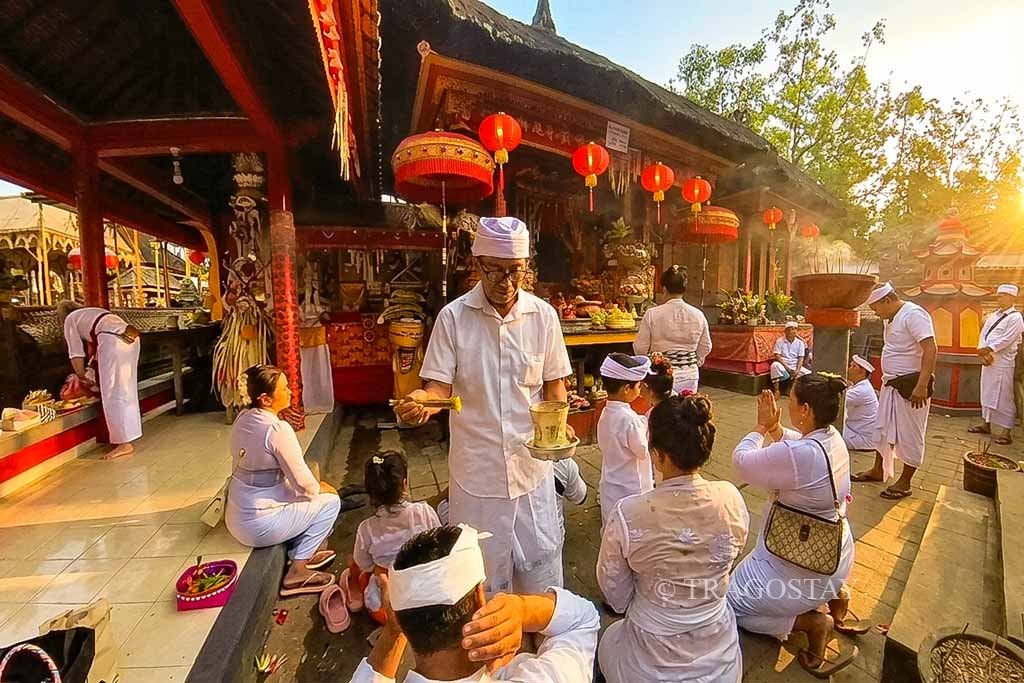
You will immediately notice the striking red and gold accents on the shrines. These colors are traditional Chinese symbols of luck and prosperity. Furthermore, many of the temple gates feature intricate Chinese ornaments and carvings. This architectural fusion makes Dalem Balingkang Temple stand out from others. Moreover, the presence of small Chinese altars proves the strong influence of the Princess. Thus, the building style is a physical map of Bali’s ancient history. It is an amazing place to see how two cultures can coexist beautifully. Many visitors enjoy photographing these colorful and unique temple details.
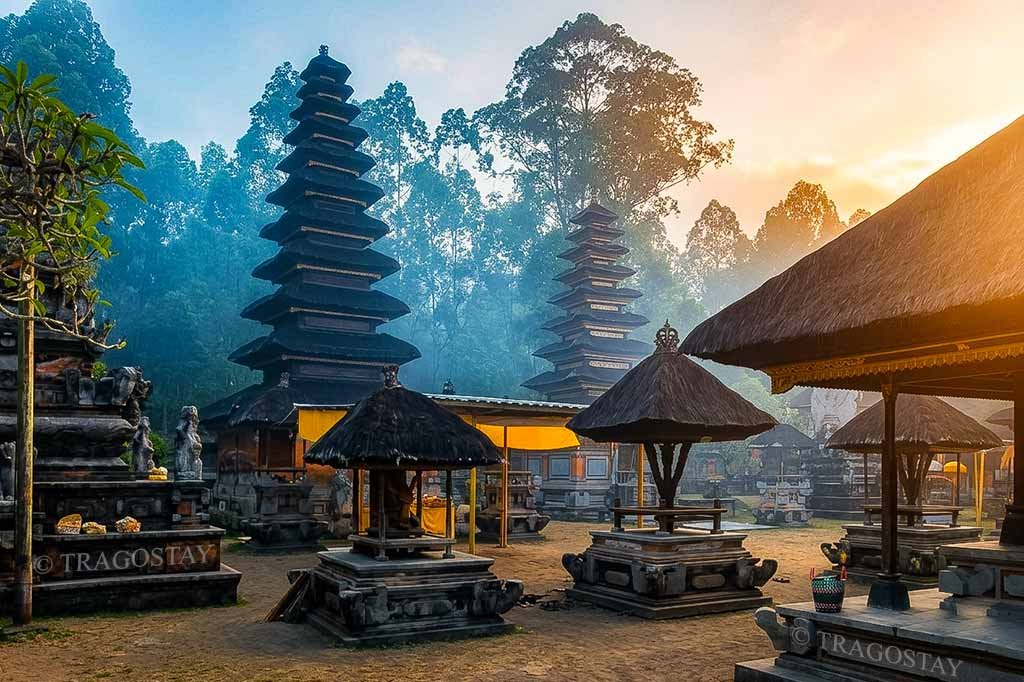
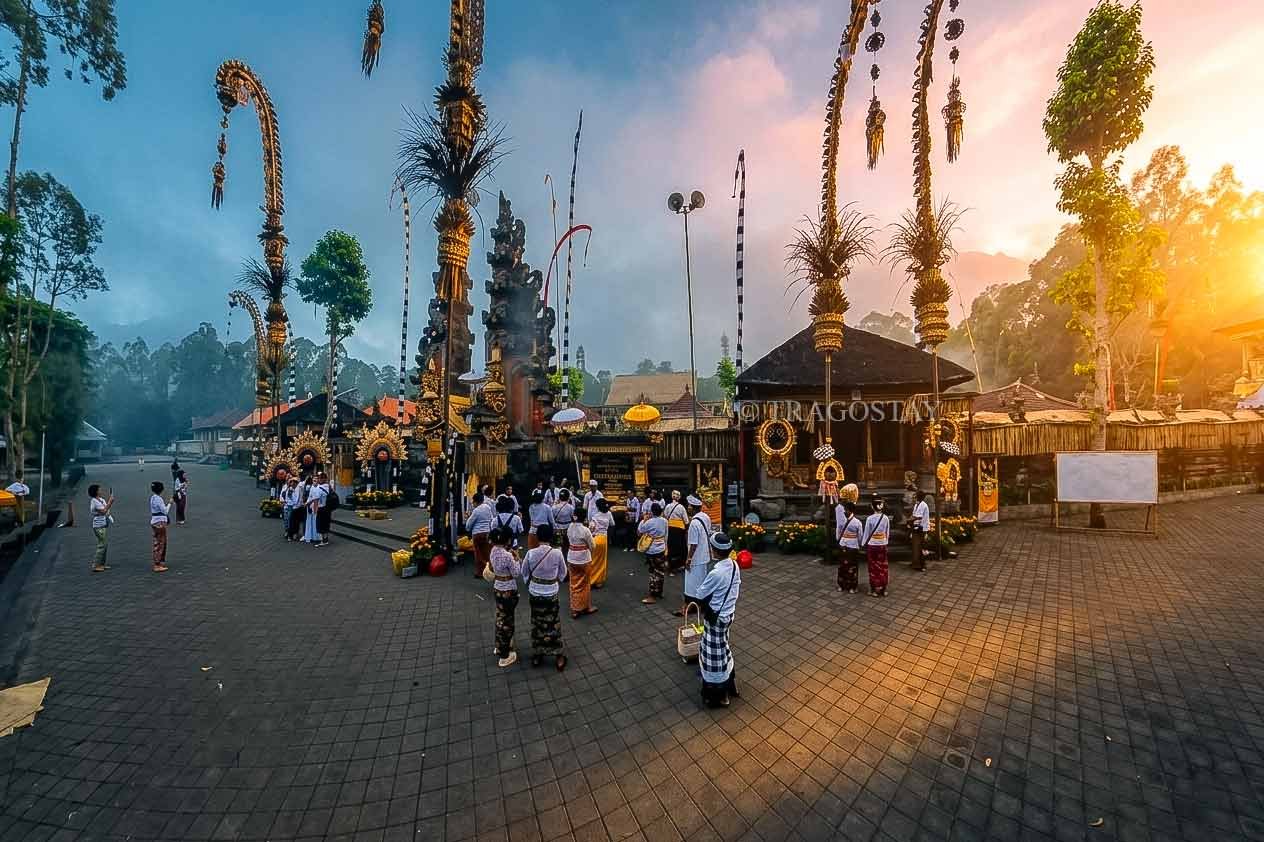
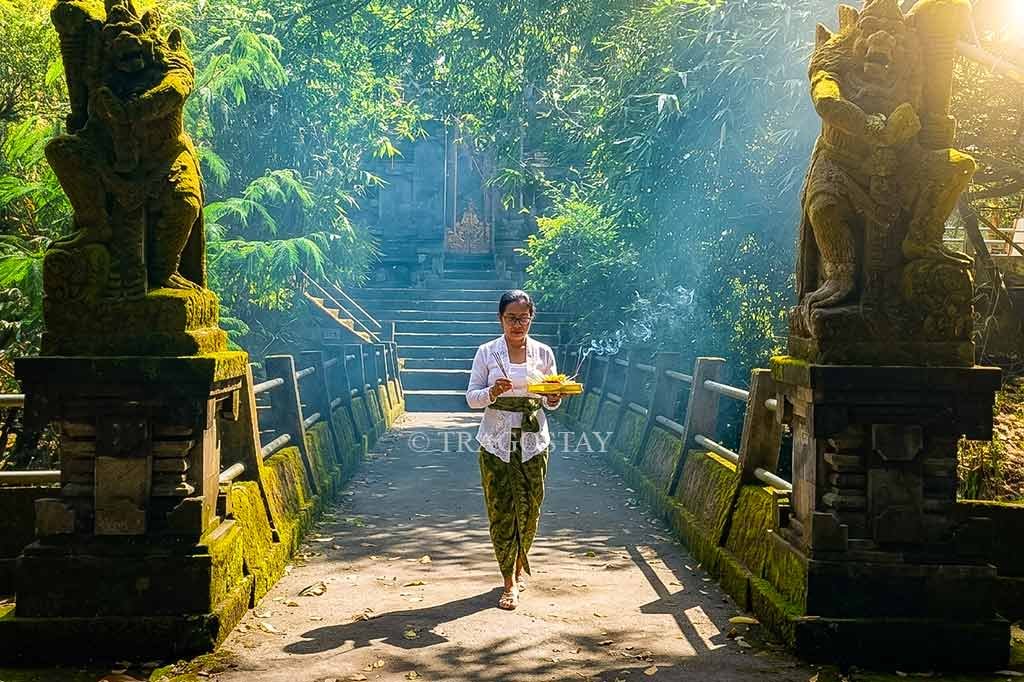
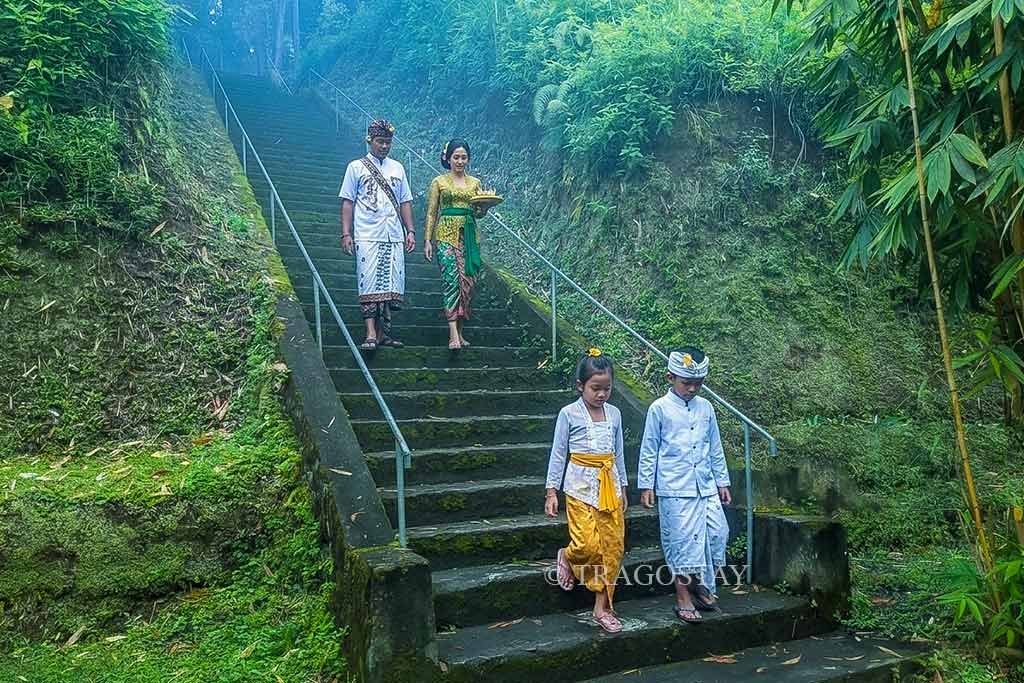
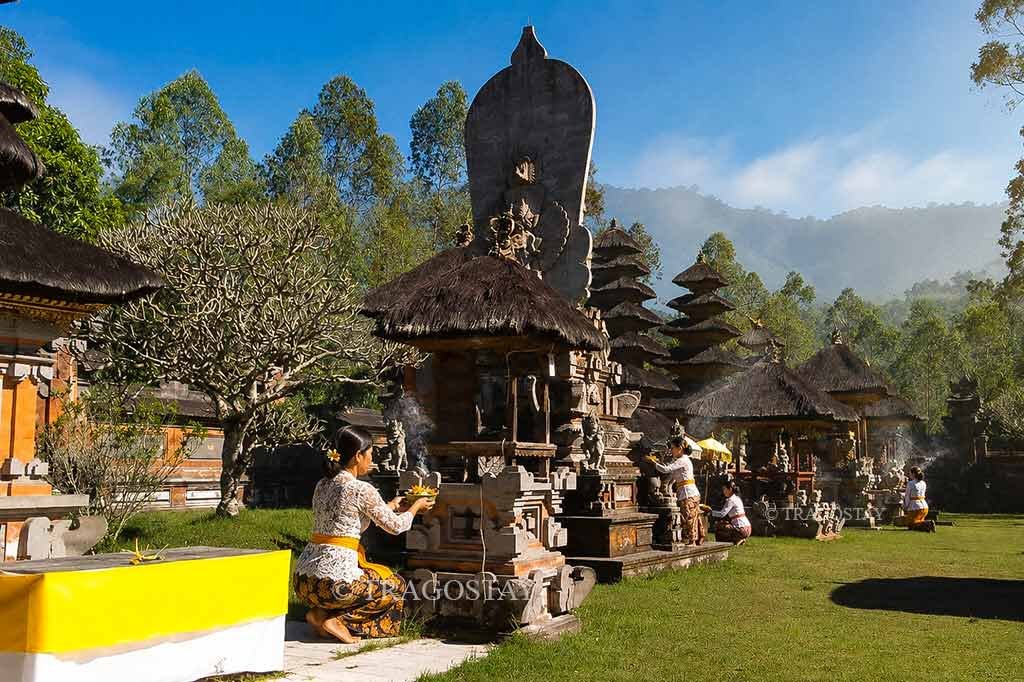
Dalem Balingkang Temple sits in a very secluded and sacred location within the caldera. Specifically, it is perched on a ridge that overlooks the valley below. The frequent mist and high altitude create a very meditative environment. Therefore, many pilgrims come here to find deep spiritual clarity and focus. The silence of the forest is only broken by temple bells. Consequently, the energy of the site feels very pure and ancient. It is a perfect destination for those who want to escape the crowds. You will feel a sense of calm as soon as you enter the gates.
The name “Balingkang” itself is a fascinating combination of two different words. Specifically, it comes from the words “Bali” and the surname “Kang.” This name honors the Chinese Princess who became the Queen of Bali. Therefore, the temple serves as a permanent memorial to her royal influence. Previously, the site was the location of the King’s fortified palace. However, it was later converted into a sacred temple complex for worship. Thus, the name reminds us of the multicultural roots of the kingdom. It is a beautiful example of linguistic and cultural harmony.
The rituals at this temple involve many traditional Chinese elements and symbols. For instance, the use of Chinese coins is very common in every ceremony. These ancient coins are known locally as “Uang Kepeng” by the Balinese. They represent the economic and spiritual ties between the two nations. Furthermore, the local community takes great pride in preserving these old traditions. Therefore, the ceremonies here look slightly different from those in southern Bali. Consequently, the temple has become a center for multicultural studies on the island. It is a place where history is still alive in daily worship.
During the major temple anniversaries, the site becomes incredibly vibrant and colorful. Specifically, these “Odalan” festivals attract thousands of pilgrims from across the island. You will see Balinese dancers performing alongside people wearing traditional Chinese-style clothing. This creates a spectacular scene of cultural unity and religious celebration. Moreover, the air is filled with the scent of incense and mountain flowers. Thus, attending a festival here is a once-in-a-lifetime spiritual experience. It shows that the legacy of King Jaya Pangus is still very strong. The atmosphere is truly electric and full of positive energy.
You should visit this temple because it offers an authentic cultural experience. Unlike the busy tourist spots, this site remains very quiet and peaceful. It is ideal for travelers who want to learn about royal history. Besides that, the surrounding landscape is absolutely breathtaking and very photogenic. You can see the rugged beauty of the Kintamani mountains everywhere. Consequently, it is a great place to reflect on Bali’s ancient past. Furthermore, the temple is a symbol of peace and religious tolerance. It is a hidden gem that deserves a spot on your itinerary.
Photographers will love the contrast between the red gates and green trees. The misty background provides a moody and cinematic look for every shot. Specifically, the early morning light creates long shadows and beautiful golden highlights. You can capture the intricate details of the Chinese-style carvings very easily. Furthermore, the lack of crowds means you can take your time. Thus, Dalem Balingkang Temple is a paradise for those who love cultural photography. Your photos will tell a story of a forgotten mountain kingdom. It is truly a unique subject for any visual artist.
When you explore the temple, you will walk through several rising courtyards. Each level represents a higher stage of spiritual purity in the world. Specifically, the inner courtyard is the most sacred part of the complex. You should walk slowly and admire the ancient stone statues. Furthermore, many shrines are decorated with yellow and white sacred cloths. This shows that the temple is still very active for local prayer. Therefore, always be mindful of people who are currently meditating or praying. It is important to maintain a quiet and respectful tone at all times.
You must wear a traditional sarong and a waist sash to enter. This is a mandatory requirement for all visitors to show respect. Furthermore, you should avoid walking in front of people who are praying. It is also important to keep your head lower than the shrines. Moreover, women who are menstruating are kindly asked not to enter the inner gates. Thus, following these rules ensures a positive experience for everyone involved. Consequently, the local priests will welcome you with a warm smile. This respect helps preserve the holiness of this ancient royal sanctuary.
It was the site of the ancient royal palace of King Jaya Pangus. Today, it remains a symbol of the fusion between Balinese and Chinese cultures.
While not mandatory, a local guide can explain the fascinating legends and history. They can also help you understand the unique architectural details of the site.
Yes, visitors are required to pay a small fee for maintenance and sarong rental. This money helps the local community preserve the ancient royal shrines.
The early morning is best because the sky is usually clear and bright. In the afternoon, the temple is often covered in thick mountain mist.
Yes, photography is allowed in most areas of the temple complex. However, please be respectful and avoid using a flash near people praying.
There are small local stalls at the entrance selling basic snacks. For a full meal, you can find many restaurants with caldera views nearby.
Log in
Don't have an account? Register
Please enter your username or email address. You will receive a link to create a new password via email.
Register with your email
Do you already have an account? Log In
Log in
Don't have an account? Register
Please enter your username or email address. You will receive a link to create a new password via email.
Register with your email
Do you already have an account? Log In