

Celuk Village stands as the premier destination for anyone seeking authentic Balinese silver and gold craftsmanship during their island holiday. Located strategically in the Gianyar Regency, this artistic enclave has earned a global reputation for its intricate jewelry designs. Travelers often flock here to witness the delicate process of smithing precious metals into wearable art. Consequently, the village serves as a vital pillar of Balinese cultural tourism. Visitors will find a seamless blend of traditional heritage and modern commercial success along the main roads. Moreover, the proximity to Ubud makes it an easy addition to any day trip. While you drive through the area, the shimmering displays in the shop windows will surely catch your eye. Indeed, this village represents the very soul of Balinese decorative arts.
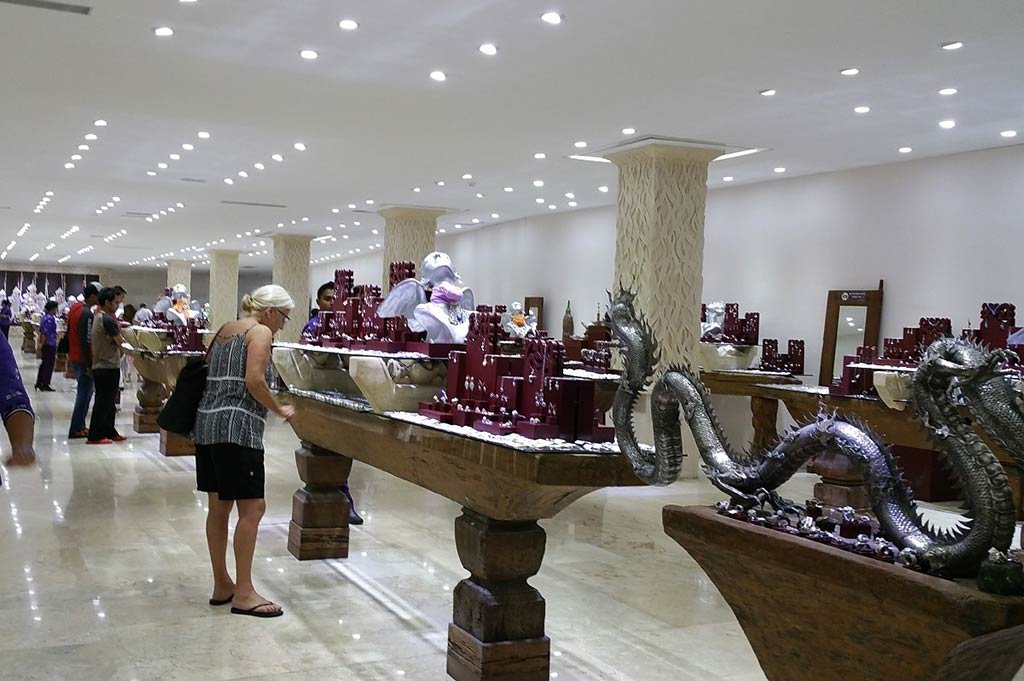
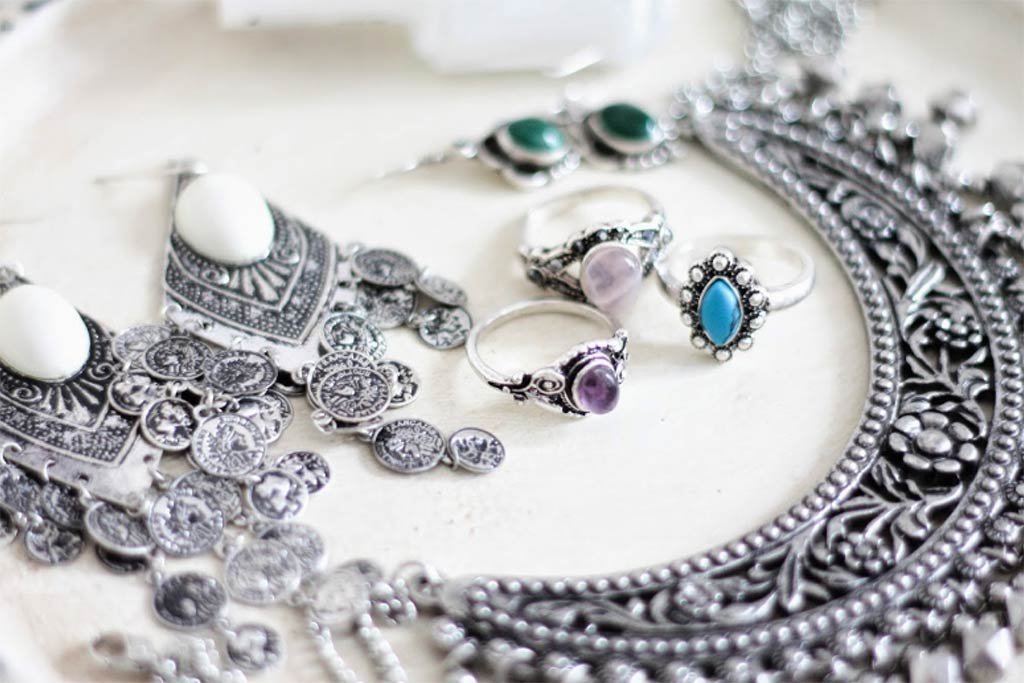
Walking through the village feels like entering a massive open-air gallery. Huge showrooms line the streets, displaying shimmering necklaces and rings behind polished glass. Nevertheless, the true soul of the village lies in the smaller back-alley workshops. Here, the rhythmic sound of hammers hitting metal creates a unique soundtrack for the day. You will quickly notice that every family specializes in a particular style. Some focus on heavy, traditional gold pieces, while others embrace minimalist silver trends. Because of this diversity, every visitor finds something that matches their personal taste. Furthermore, the artisans often share stories about their designs if you take the time to ask. Therefore, your visit becomes more than just a shopping trip; it becomes a cultural exchange.
Exploring the central hub of Balinese metalwork offers a deep dive into the island’s creative DNA. For many decades, Celuk has functioned as the primary supplier of high-quality jewelry for both local ceremonies and international boutiques. Although Bali has many craft villages, none match the specific prestige of this gold and silver center. Artisans here utilize techniques passed down through generations, ensuring that the quality remains unmatched. Consequently, the village has become a symbol of Balinese excellence in the global jewelry market.
Interestingly, the village layout makes it incredibly accessible for tourists. You can easily spend an entire afternoon hopping from one gallery to another. Most shop owners welcome visitors with genuine Balinese hospitality, often offering a seat and a drink before you even browse.
Furthermore, the prices here are generally more competitive than in the high-end malls of Seminyak or Kuta. Since you are buying directly from the source, you can often negotiate for a better deal. This direct interaction between the maker and the buyer adds a layer of meaning to every purchase. Additionally, you support the local economy directly by purchasing from these family-owned businesses. Thus, your souvenir carries both beauty and a positive impact.

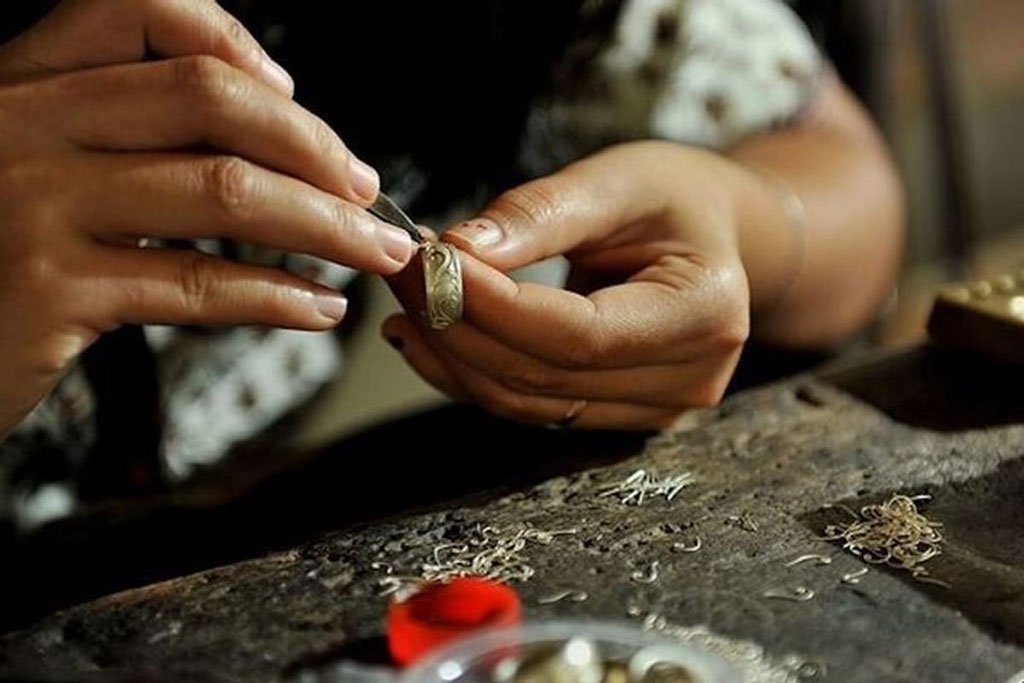
The history of this artistic community begins with the “Pande” caste, a group of traditional Balinese smiths. Historically, these craftsmen worked exclusively for the royal families of Bali. They created ceremonial daggers (Kris), royal crowns, and sacred ornaments for temple rituals. However, the dynamics changed significantly during the early 20th century. As tourism began to trickle into Bali, the demand for portable souvenirs grew. Consequently, the artisans adapted their skills to create jewelry that appealed to international tastes.
During the 1970s, the village experienced a massive boom in popularity. Export orders started flowing in from Europe and America, transforming the local economy. Despite this rapid modernization, the villagers never abandoned their spiritual roots. You will still see pengrajin (artisans) making offerings at their home shrines before starting work. This spiritual connection ensures that every piece of jewelry carries a “soul” or Taksu, according to Balinese belief. Because of this heritage, the village remains a bastion of tradition in a changing world. Moreover, younger generations continue to learn the craft to keep the legacy alive. Therefore, the future of Celuk looks as bright as the gold they polish.
Visitors often wonder how to spend their time most effectively in this creative hub. Fortunately, the village offers more than just retail therapy.
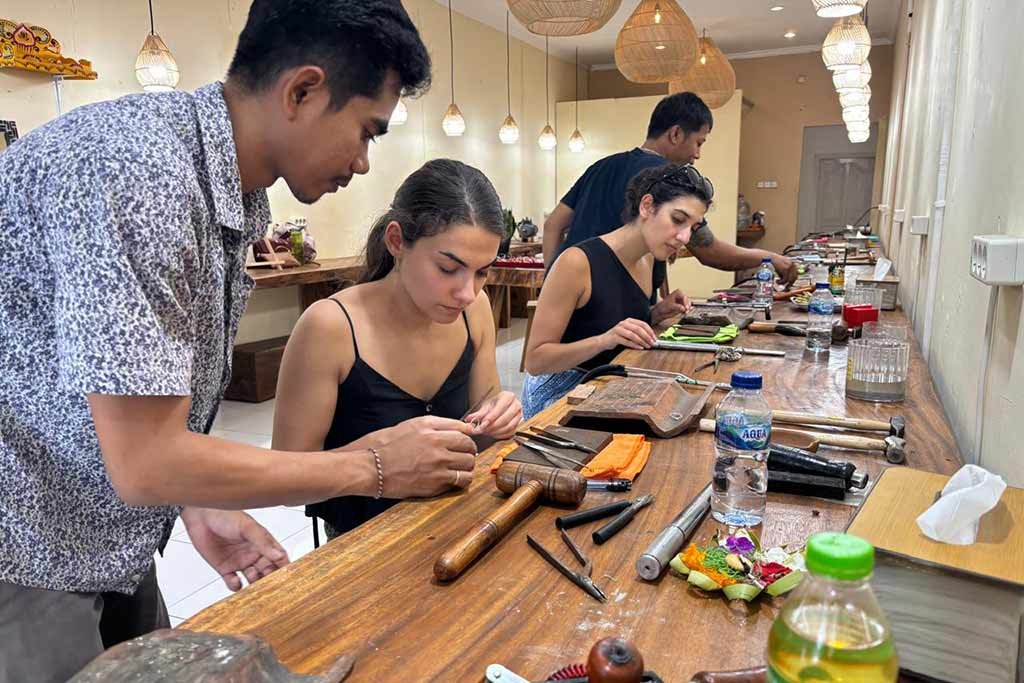
Participating in a hands-on workshop is undoubtedly the most rewarding experience in Celuk. Many local studios now offer short courses where you can design your own ring or pendant. First, you start by sketching your idea on paper. After that, the master smith guides you through melting, hammering, and soldering the silver. Although it requires patience, finishing a piece of jewelry with your own hands feels incredibly empowering. Furthermore, you can take your creation home as a permanent memory of your trip.
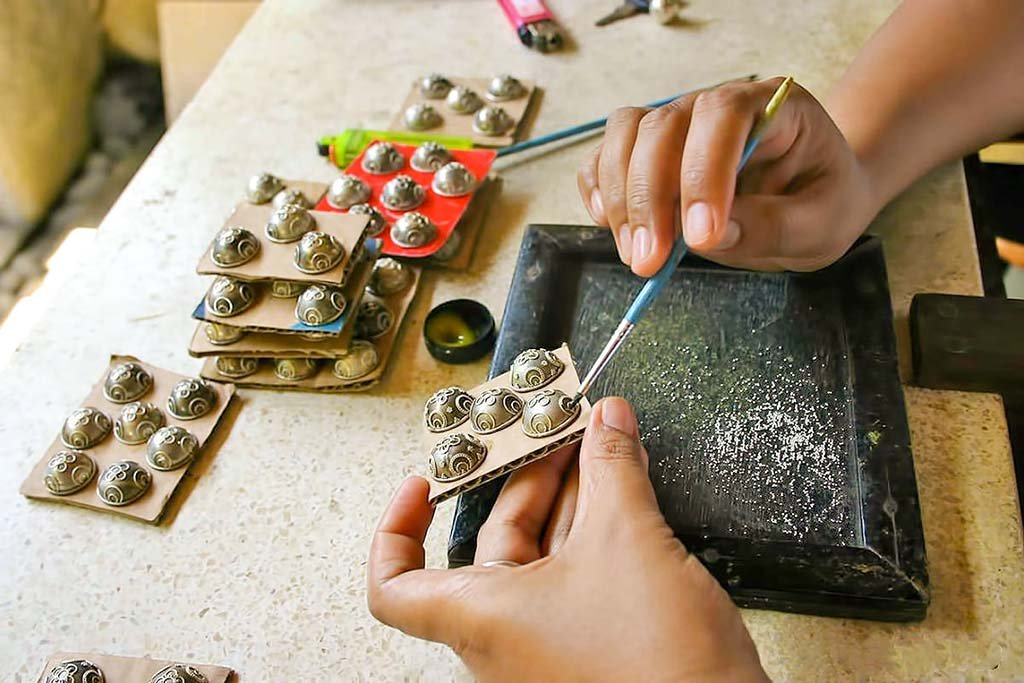
Observing the professionals is equally mesmerizing if you prefer not to get your hands dirty. Most large galleries have a viewing area where you can see artisans using tiny blowtorches and tweezers. They work with microscopic beads of silver to create the famous “Filigree” style. This technique involves twisting thin wires into lace-like patterns. Because the work is so delicate, you will gain a newfound respect for the price tags on these items. Additionally, you can ask the artisans about the symbolism behind the patterns they use.
Planning your trip to Celuk requires a bit of timing to ensure the best experience. Generally, the shops and workshops open their doors around 8:00 AM and close by 6:00 PM.
Arriving early in the morning, around 9:00 AM, allows you to beat the midday heat and the large tour buses. During the morning hours, the light is perfect for photography, and the artisans are at their most focused. Additionally, visiting during the dry season (April to September) makes traveling between galleries much more pleasant. If you visit during the rainy season, make sure to bring an umbrella, as you will be walking between different buildings frequently.
Reaching Celuk is quite simple because it sits on the main highway between Denpasar and Ubud. If you are staying in Ubud, the drive takes approximately 15 to 20 minutes. From the southern tourist hubs like Kuta or Legian, expect a 45-minute to one-hour journey depending on traffic. Most travelers prefer to hire a private driver for the day. This option allows you to combine Celuk with other nearby stops without worrying about parking or navigation. Alternatively, renting a scooter is a popular choice for solo travelers who want more flexibility. Regardless of your choice, the road to Celuk is well-paved and easy to find.
Log in
Don't have an account? Register
Please enter your username or email address. You will receive a link to create a new password via email.
Register with your email
Do you already have an account? Log In
Log in
Don't have an account? Register
Please enter your username or email address. You will receive a link to create a new password via email.
Register with your email
Do you already have an account? Log In