

Bali Botanical Garden, locally known as Kebun Raya Eka Karya Bali, stands as a massive emerald sanctuary for nature lovers and plant enthusiasts alike. As a premier destination on the Bali Tourist Attractions list, this expansive conservation site offers a refreshing escape from the humid coastal heat of the island. Located in the misty highlands of Bedugul at an altitude of approximately 1,250 meters, the garden covers a staggering 157 hectares of lush terrain. Consequently, the air remains crisp and cool throughout the year, making it the perfect spot for a tranquil mountain retreat. Visitors will find that the garden combines scientific research with breathtaking recreational landscapes, featuring over 2,000 species of plants.
Moreover, the towering trees and manicured lawns provide a serene backdrop for family gatherings and peaceful walks. While you breathe in the fresh mountain air, the sound of chirping birds and rustling leaves will surely rejuvenate your spirit. Indeed, this botanical haven represents the pinnacle of Balinese environmental conservation and natural beauty.
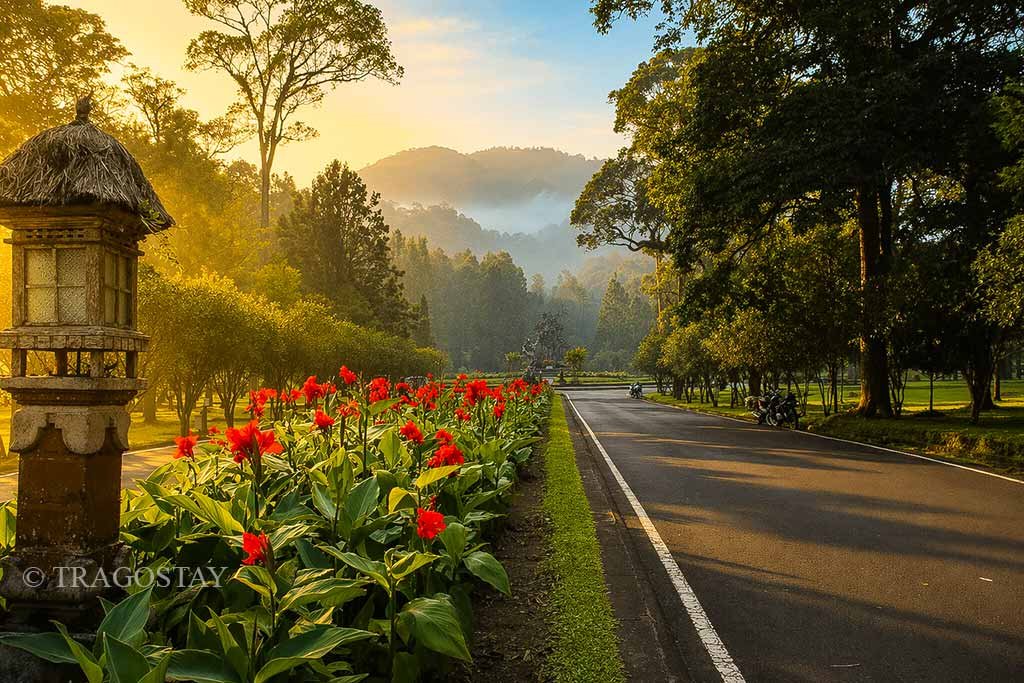
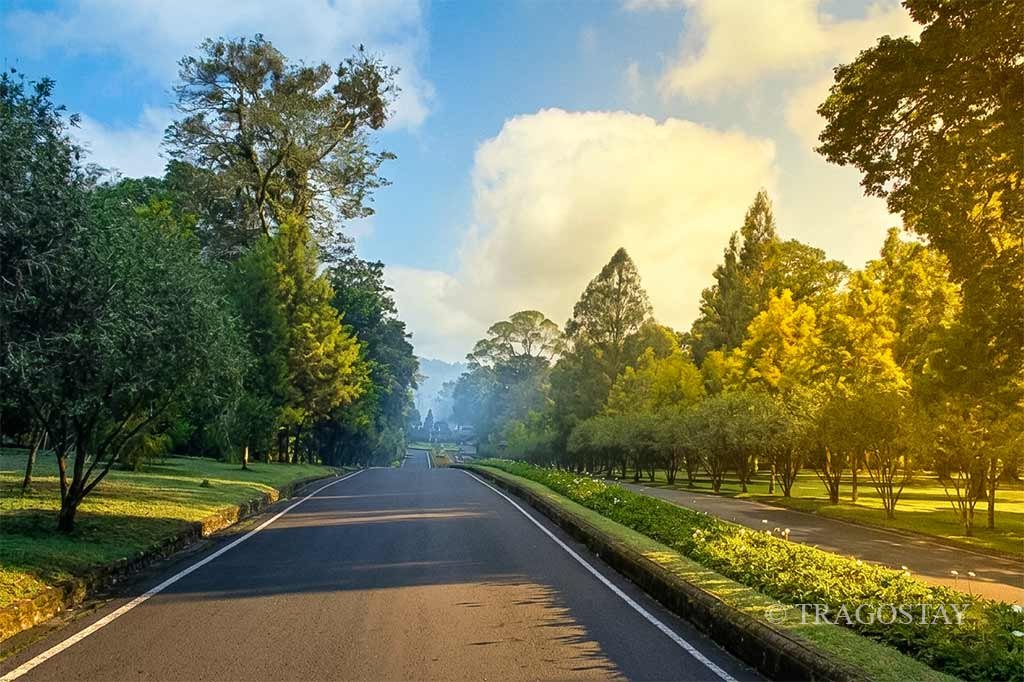
Entering the garden gates feels like walking into a different world where nature reigns supreme. Massive ancient trees line the wide paved roads, casting long shadows over the vibrant green moss. Nevertheless, the true allure of the garden lies in its diverse thematic sections that showcase the best of Indonesia’s mountain flora.
You will quickly notice how the landscape shifts from open grassy plains to dense, mysterious rainforest within a few minutes of walking. Because the garden is so vast, many visitors choose to explore it at a slow pace to fully appreciate the intricate details of the various flower collections. Furthermore, the sweeping views of Lake Beratan from certain viewpoints add an extra layer of magic to the experience. Therefore, your visit becomes a deep exploration of Bali’s most vital “green lungs.”
Exploring this world-class botanical site offers a fascinating look into the botanical diversity of the eastern Indonesian archipelago. For many decades, the garden has functioned as a primary center for plant research, conservation, and education. Although Bali features many beautiful private gardens, none match the sheer scientific and geographical scale of this public highland park. The grounds are divided into several specialized zones, including medicinal plant gardens, orchid houses, and a massive fern collection. Consequently, the garden attracts everyone from casual picnickers to professional botanists from around the globe.
Interestingly, the garden manages to maintain a perfect balance between its role as a research facility and its popularity as a tourist destination. Most visitors spend their time lounging on the expansive central lawns or photographing the unique Balinese statues that decorate the garden’s intersections.
Furthermore, the topography of the garden varies from flat, easy-to-walk paths to steep, forested slopes for the more adventurous. Since Bali Botanical Garden area is located within a volcanic caldera, the soil is incredibly rich, allowing even the most delicate orchids to thrive. This abundance of life makes it a perfect cornerstone for any Bedugul day trip. Additionally, the garden serves as a vital habitat for various species of local birds and butterflies. Thus, your presence supports the ongoing effort to protect Bali’s unique mountain ecosystem.
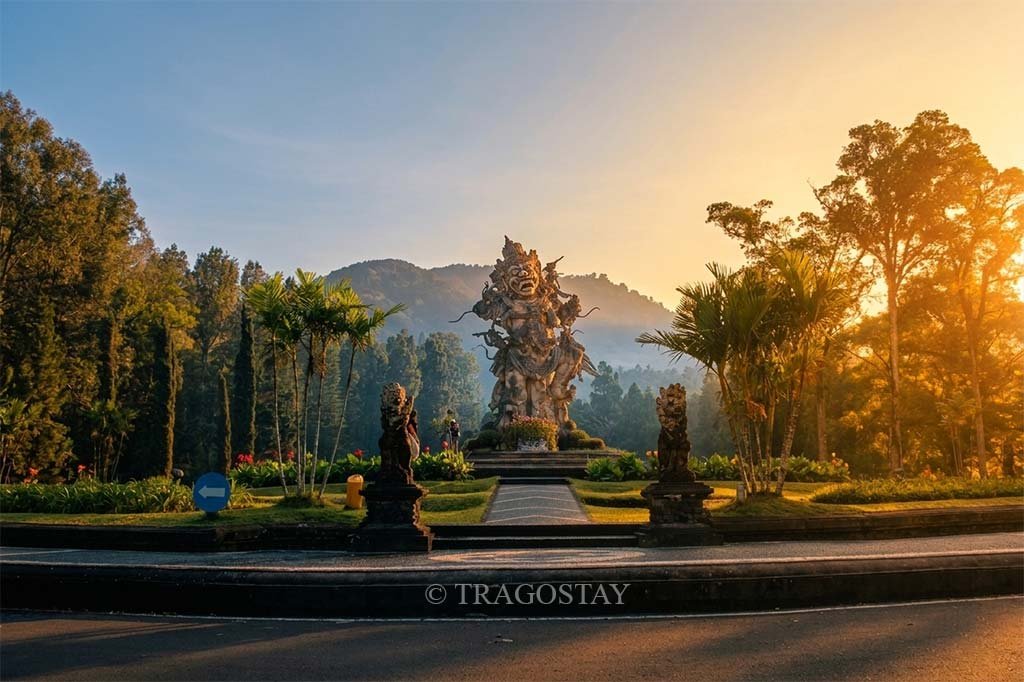
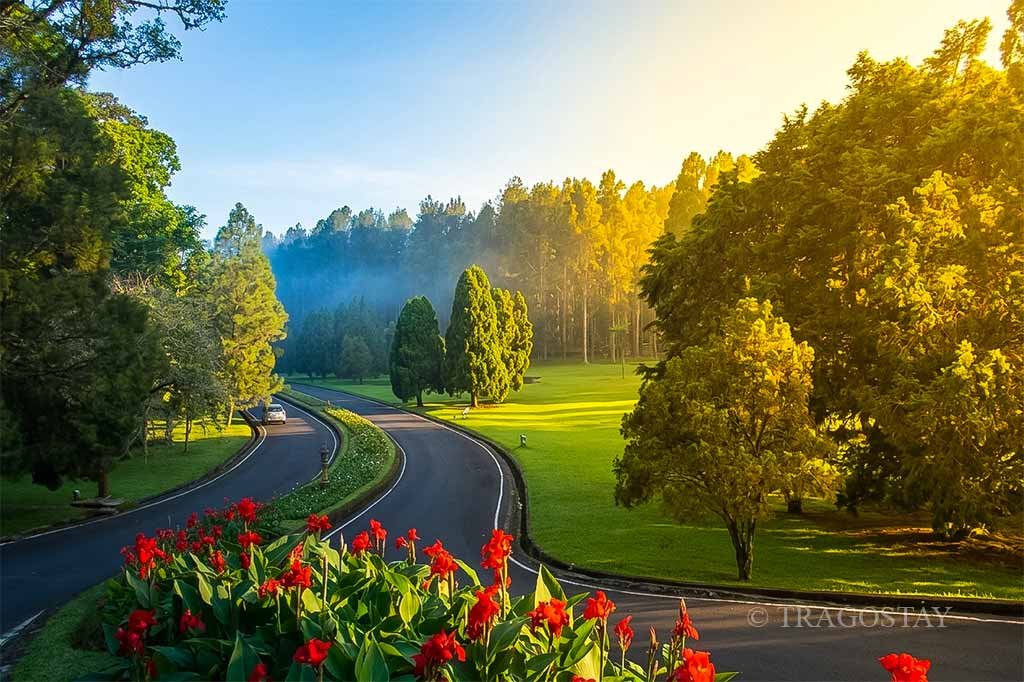
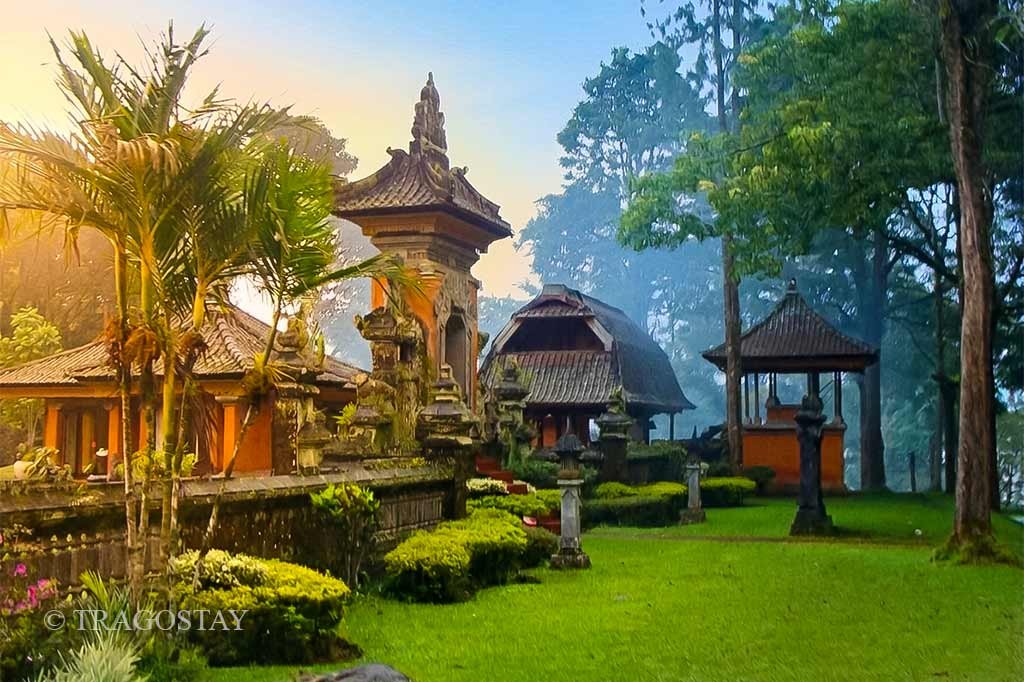
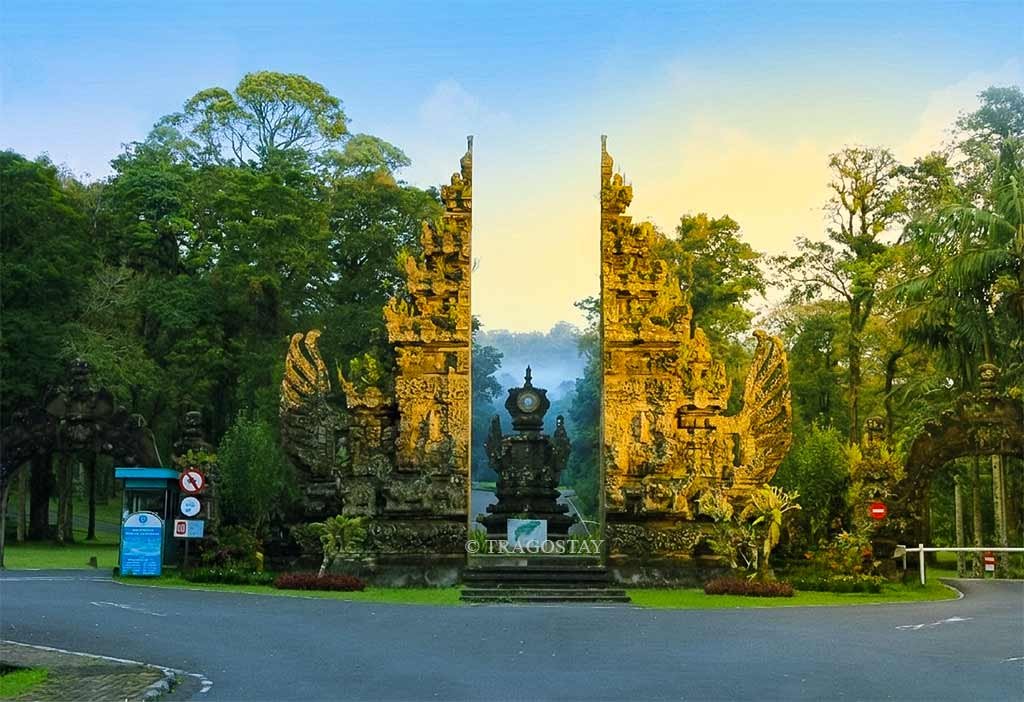
The history of Bali Botanical Garden dates back to its official establishment on July 15, 1959. Historically, the garden was founded by Professor Kusnoto Setyodiwiryo and I Made Taman to serve as a highland extension of the famous Bogor Botanical Gardens in Java. They chose the name “Eka Karya” to signify that this was the “first work” of the Indonesian people in establishing a botanical garden after national independence. Consequently, the garden became a symbol of national pride and a center for pioneering plant conservation in a tropical mountain environment.
During your walk through the forest area, you can still see some of the original trees planted during the garden’s early years. The mission of the garden has always focused on “Ex-situ” conservation, which means protecting plants outside their natural habitats to prevent extinction.
Furthermore, the staff works tirelessly to document and preserve rare species from the eastern parts of Indonesia, such as Sulawesi, Maluku, and Papua. Because of its success, the garden now houses the largest collection of begonias in the world and an impressive array of carnivorous plants. Moreover, the educational programs hosted here teach thousands of local students about the importance of protecting the environment. Therefore, the garden remains a beacon of hope for biodiversity in an era of rapid urban development.
The management has invested heavily in creating modern public facilities to ensure that every visitor has a comfortable and convenient experience. You will find that the amenities are well-integrated into the natural landscape through the following list:
Visitors often want to know which parts of the 157-hectare park are the most essential to see during a single visit. Fortunately, the garden features several high-impact zones that are easy to access.
Visiting the specialized orchid houses is undoubtedly a highlight for any guest. The collection features over 300 species of wild orchids, ranging from microscopic blooms to massive, colorful clusters. First, you should visit the greenhouses where the most delicate species are kept under controlled conditions. After that, you can walk through the outdoor orchid garden to see how these plants grow naturally on tree trunks. Although many orchids only bloom at specific times of the year, there is almost always something beautiful to see. Furthermore, the variety of shapes and scents is truly overwhelming for the senses.
Observing the massive century-old banyan tree is another experience that you simply cannot miss. This iconic tree features a complex network of hanging aerial roots that create a cathedral-like atmosphere beneath its canopy. Additionally, you can find several traditional Balinese shrines nestled among the roots, signifying the spiritual importance of banyan trees in local culture. You can feel the temperature drop as you stand in the immense shade of this natural giant. Furthermore, Bali Botanical Garden provides the perfect spot for artistic photography or quiet meditation away from the main walking paths.
Planning your trip to the botanical garden requires a bit of timing to avoid the frequent afternoon rain showers that characterize the Bedugul highlands. Generally, the garden is open daily from 8:00 AM to 6:00 PM.
Arriving early in the morning, around 8:00 AM or 9:00 AM, is the best strategy to enjoy the clearest views and the freshest air. During these hours, the mist often lingers among the trees, creating a magical atmosphere for walking and photography. Additionally, visiting on a weekday is much better than on Sundays, when local families often fill the picnic areas. If you visit in the afternoon, be prepared for a sudden drop in temperature and the possibility of heavy fog rolling in from the mountains.
Reaching the garden involves a beautiful drive through the central mountain range of Bali. If you are staying in Ubud, the drive takes approximately 1 hour to 1 hour and 15 minutes. From southern tourist centers like Seminyak or Kuta, expect a journey of about 2 to 2.5 hours depending on the traffic.
Most travelers choose to hire a private driver through Tragostay to navigate the steep roads and enjoy the scenery without the stress of driving. This option allows you to combine the garden with a visit to the nearby Ulun Danu Beratan Temple. Alternatively, you can take a car inside the garden for an additional fee, which is a great way to cover more ground if you are short on time. Regardless of your transport method, the road is well-paved and offers several scenic stops along the way.
Log in
Don't have an account? Register
Please enter your username or email address. You will receive a link to create a new password via email.
Register with your email
Do you already have an account? Log In
Log in
Don't have an account? Register
Please enter your username or email address. You will receive a link to create a new password via email.
Register with your email
Do you already have an account? Log In