

Penglipuran Village is a traditional Balinese highland settlement that has gained international fame for its incredible cleanliness and well-preserved culture. Located in the Bangli Regency, this unique destination offers a glimpse into a side of Bali that feels untouched by the modern world. Many visitors describe their arrival at this site as stepping back in time because of the uniform bamboo architecture. Therefore, you should definitely include this serene location in your travel plans to experience the most authentic community life on the island.
This location is globally recognized as the cleanest village in the world, alongside Giethoorn in the Netherlands and Mawlynnong in India. You will find that this site is one of the most culturally significant Bali Tourist Attractions for those who appreciate heritage and sustainable living. As a prominent Bali Traditional Village, it features a main stone-paved street lined with perfectly manicured gardens and traditional gates. Furthermore, the local community remains deeply committed to the “Tri Hita Karana” philosophy. Consequently, a visit to Penglipuran Village provides a refreshing and educational experience for every type of traveler who values tradition.
The history of this Ancient Village in Bali dates back several centuries to the era of the Bangli Kingdom. According to local legends, the ancestors of the current residents originally came from the Bayung Gede village. They moved to this location to create a dedicated place for prayer and to honor their ancestors through traditional rituals. Because of this spiritual origin, the name of the village itself is derived from the words “Pengeling” and “Pura,” which mean “to remember the ancestors.”
The residents of this area have successfully maintained their original customs despite the rapid growth of tourism in surrounding areas. They follow a unique social system that has been passed down through many generations without significant changes. This traditional village in Bali follows a strict spatial organization that separates sacred areas from residential and graveyard zones. This historical consistency is why the village remains a vital center for Balinese traditional studies today.
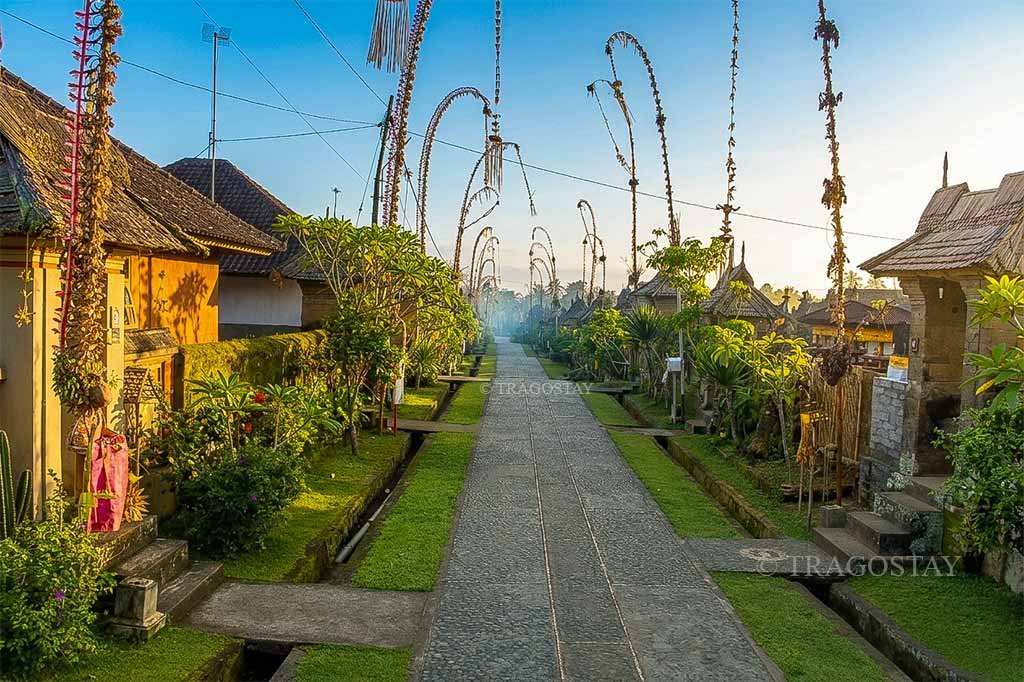
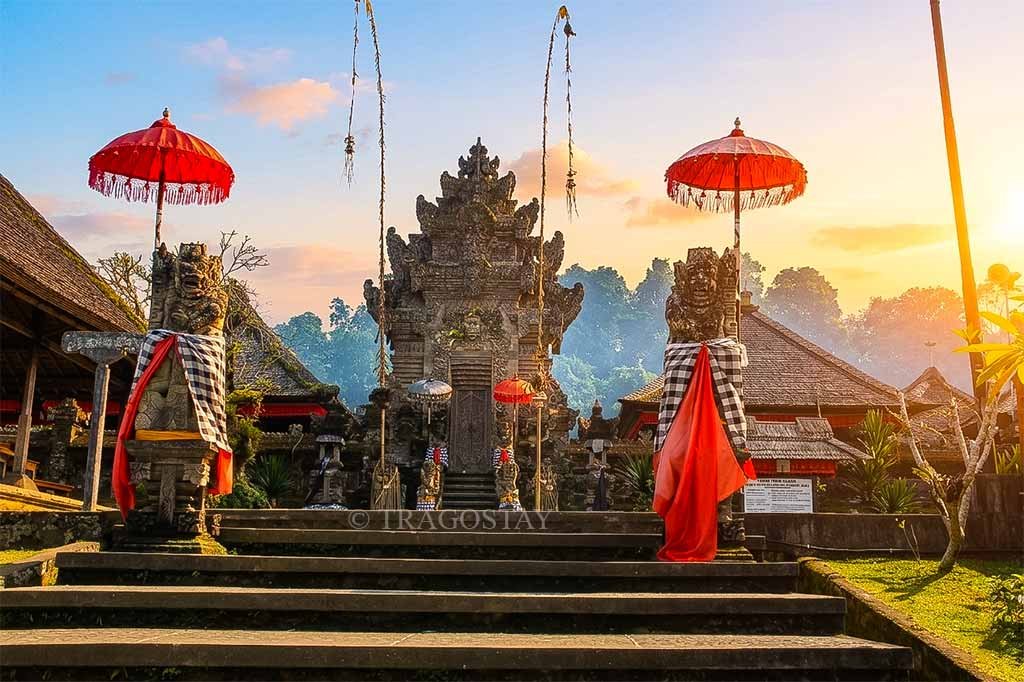
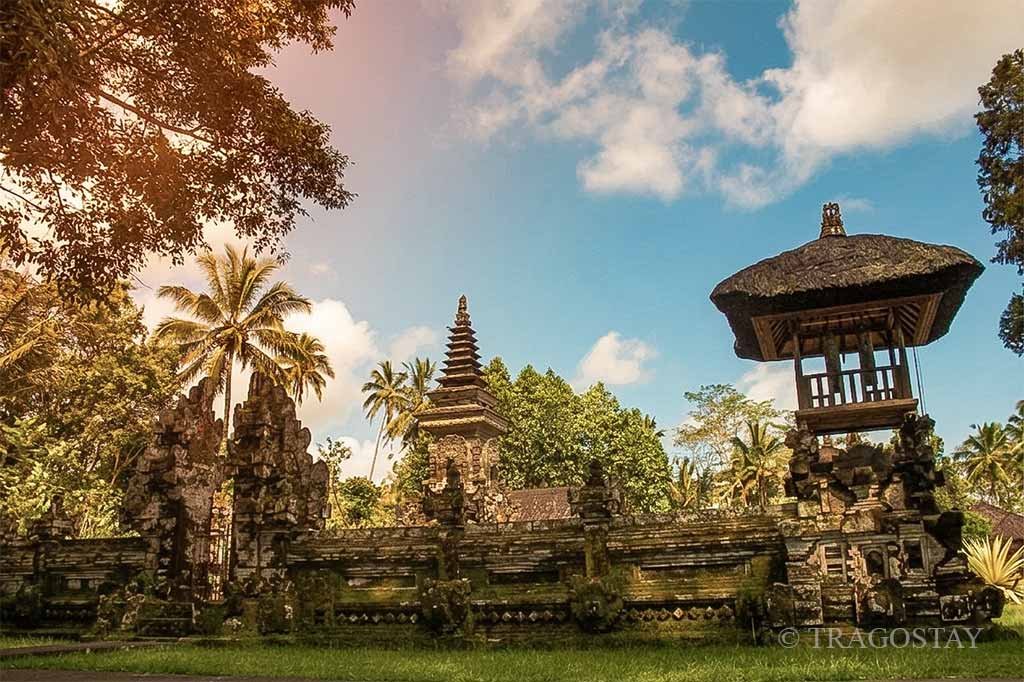

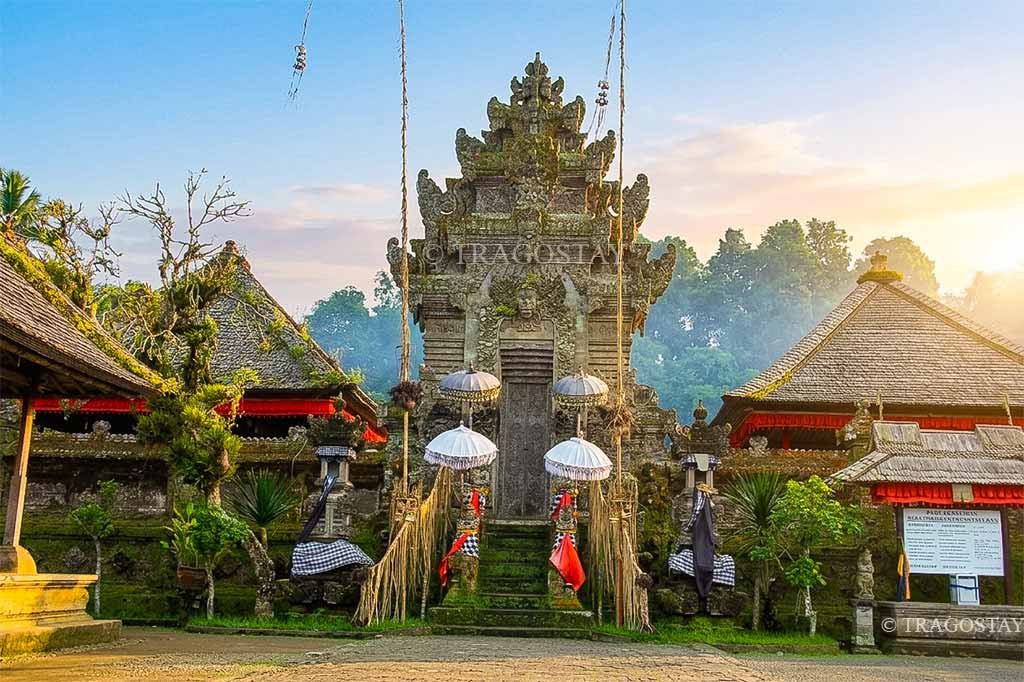
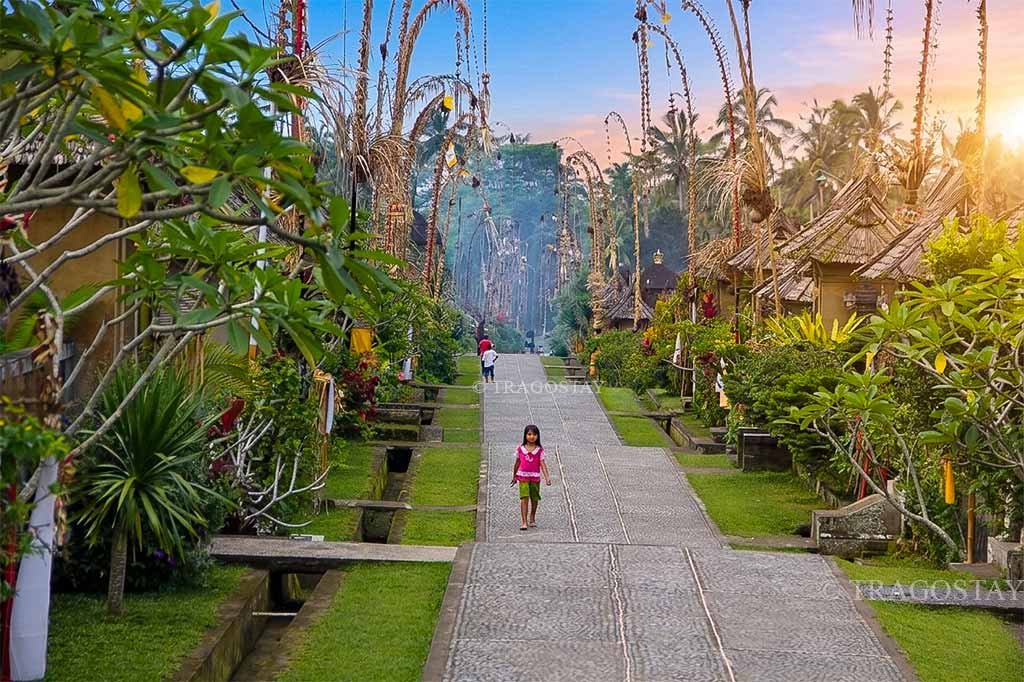
In this Bali Traditional Village, the architectural style is exceptionally uniform and follows ancient Balinese building codes. Every single house in the village features a traditional entrance gate known as “Angkul-angkul,” which looks identical to its neighbor. You will notice that the houses are mostly built using bamboo, which is a material that grows abundantly in the surrounding forests. This commitment to using natural materials creates a visual harmony that is incredibly pleasing to the eye.
The village is divided into three distinct zones based on the “Tri Mandala” concept used in Balinese spatial planning. The northern part is the most sacred zone, where the main village temple is located for spiritual activities. The middle zone is the residential area where the local families live and welcome visitors into their traditional courtyards. Finally, the southern zone is dedicated to the village cemetery and agricultural activities. This organized structure ensures that the community maintains its balance, spiritual energy, and legendary cleanliness at all times.
You should visit this Ancient Village in Bali because it offers a peaceful environment that is completely free from the noise of traffic. Walking through the main street allows you to breathe the fresh mountain air while admiring the beautiful flowers that bloom in every garden. Additionally, the local people are incredibly friendly and often invite tourists to see the interior of their traditional homes. This level of hospitality makes the experience feel very personal and heartwarming compared to more commercialized spots.
Another reason to visit is to witness a successful model of community-based tourism that respects both nature and culture. This traditional village in Bali manages its own tourism activities, ensuring that the benefits go directly to the local families. By visiting, you are supporting the preservation of an ancient lifestyle that might otherwise disappear in the modern era. Thus, Penglipuran Village is a perfect destination for conscious travelers who want to make a positive impact during their holiday.
The most popular activity is simply walking along the central street to enjoy the pristine atmosphere of the cleanest village in the world. You can stop at various houses to see how the locals create traditional handicrafts or prepare Balinese snacks. Many families sell a unique local drink called “Loloh Cemcem,” which is a refreshing green herbal juice made from local leaves. Drinking this while sitting in a traditional bamboo pavilion is a must-try experience for every visitor.
You should also take a short walk to the northern end of the village to explore the vast bamboo forest. This 45-hectare forest is meticulously protected by the villagers and provides the raw materials for their traditional houses. The towering bamboo stalks create a natural canopy that feels cool and mysterious, perfect for a quiet nature walk. After your forest exploration, you can visit the village temple to admire the intricate stone carvings and peaceful prayer gardens.
The best time to visit Penglipuran Village is during the Galungan festival when the village is decorated with tall “Penjor” bamboo poles. These decorations add a festive and colorful atmosphere to the already beautiful streets of this traditional village in Bali. If you prefer a quieter experience, try to arrive early in the morning before 9:00 AM to beat the tour groups. During the dry season, the weather is usually clear, making it easier to take bright and vibrant photographs of the scenery.
Most travelers reach this Ancient Village in Bali by hiring a private car from Ubud, which takes approximately 45 minutes to one hour. If you are coming from the southern beaches, the journey will take about two hours depending on the traffic conditions. The roads leading to Bangli are generally in good condition and offer views of rural Bali that are very different from the city. Therefore, using a local driver is the most convenient way to find the village without any stress.
You should dress modestly when entering this Bali Traditional Village, although a full sarong is usually only required if you enter the temple. Wearing a t-shirt that covers your shoulders and shorts that reach the knee is generally considered respectful for a village walk. Furthermore, always ask for permission before entering a private house or taking a photo of a local resident. Because the village is famous for its cleanliness, you must be extremely careful not to leave any trash behind.
Please consider buying some local products or snacks from the villagers to help support their small home businesses. Even a small purchase of “Loloh Cemcem” or a handmade bamboo souvenir can make a big difference for a local family. You should also keep your voice at a moderate level while walking through the residential zones to avoid disturbing the residents. Finally, follow any specific instructions given by the village guards at the entrance to ensure a harmonious visit for everyone.
Yes, every visitor must pay an entrance fee at the ticket counter to help the community maintain the village. This fee supports the preservation of traditional architecture and the ongoing cleanliness of the area.
Several families offer homestay accommodations where you can live in a traditional house and eat with the locals. This is a great way to experience quiet village life after the day-trippers have left.
The village has received multiple international awards and is widely cited in travel media as one of the top three cleanest. The residents take great pride in this title and work together daily to keep every corner spotless.
No motorized vehicles are permitted to enter the main residential street of the village at any time. This policy keeps the air fresh and ensures that visitors can walk safely in the middle of the road.
You should definitely try “Loloh Cemcem,” which is a traditional herbal drink made from various local leaves. It has a unique taste that is sweet, sour, and salty all at the same time.
Casual and modest clothing is perfectly fine for walking around the residential areas and the forest. However, you will need a sarong and sash if you plan to enter the sacred village temples.
Log in
Don't have an account? Register
Please enter your username or email address. You will receive a link to create a new password via email.
Register with your email
Do you already have an account? Log In
Log in
Don't have an account? Register
Please enter your username or email address. You will receive a link to create a new password via email.
Register with your email
Do you already have an account? Log In